21 Mediterranean Diet Bread Alternatives (Pita, Flatbread & More)
21 Mediterranean Diet Bread Alternatives (Pita, Flatbread & More)
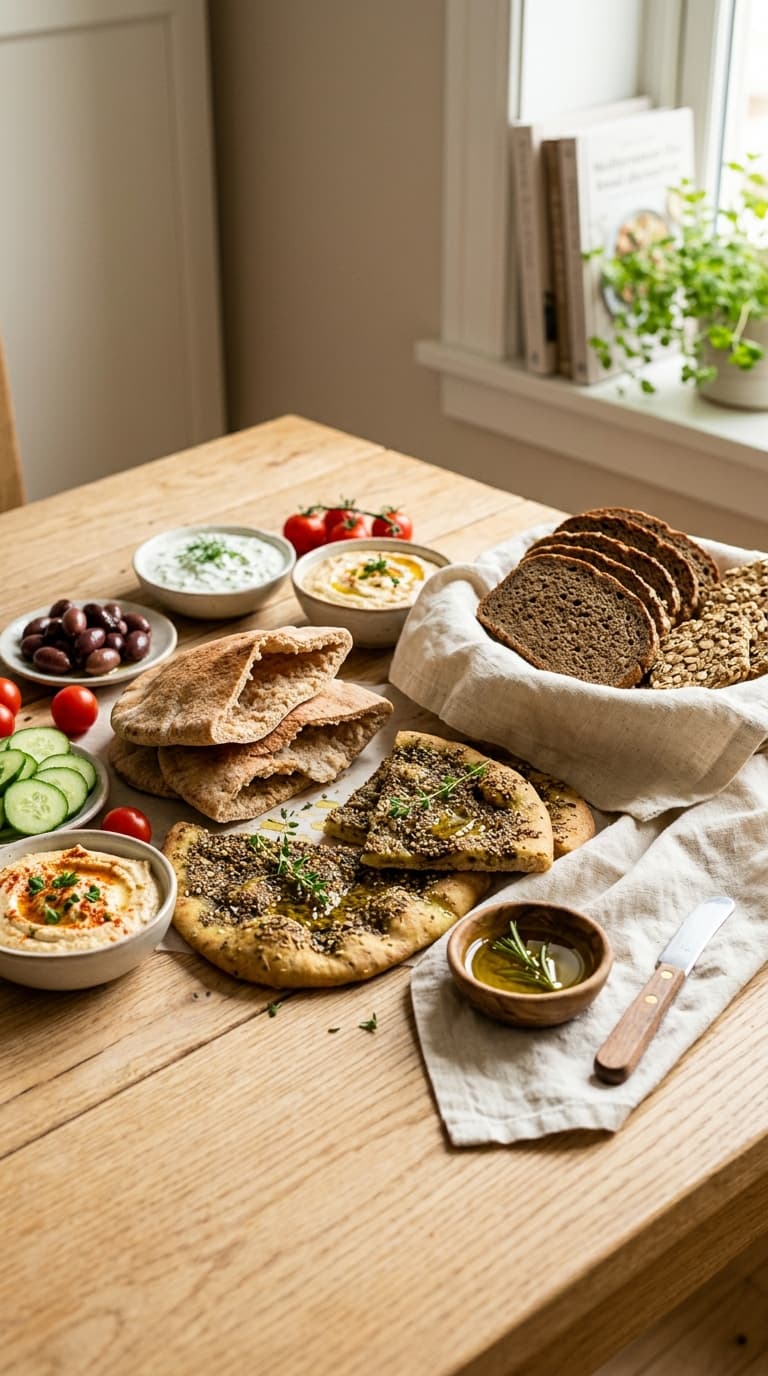
Let’s be real — giving up regular bread feels like breaking up with your best friend. But if you’re eating Mediterranean-style, you’re not giving up bread entirely. You’re just upgrading it. And honestly? The alternatives are so good, you might not even miss that sad white sandwich loaf sitting on your counter.
I’ve been eating Mediterranean-inspired meals for a few years now, and figuring out the right bread alternatives was a total game-changer. Whether you’re trying to cut refined carbs, eat cleaner, or just mix things up, there are so many delicious options that fit perfectly into this lifestyle. Let’s get into all 21 of them.
Why Mediterranean Diet Bread Alternatives Actually Matter
The Mediterranean diet isn’t about restriction — it’s about choosing foods that work with your body. Traditional bread made from refined white flour tends to spike blood sugar fast and doesn’t bring much nutritional value to the table. Mediterranean alternatives, on the other hand, are usually higher in fiber, healthy fats, and whole ingredients.
The goal here isn’t to eat less. It’s to eat smarter. And these swaps make that genuinely easy and delicious.
1. Whole Wheat Pita Bread
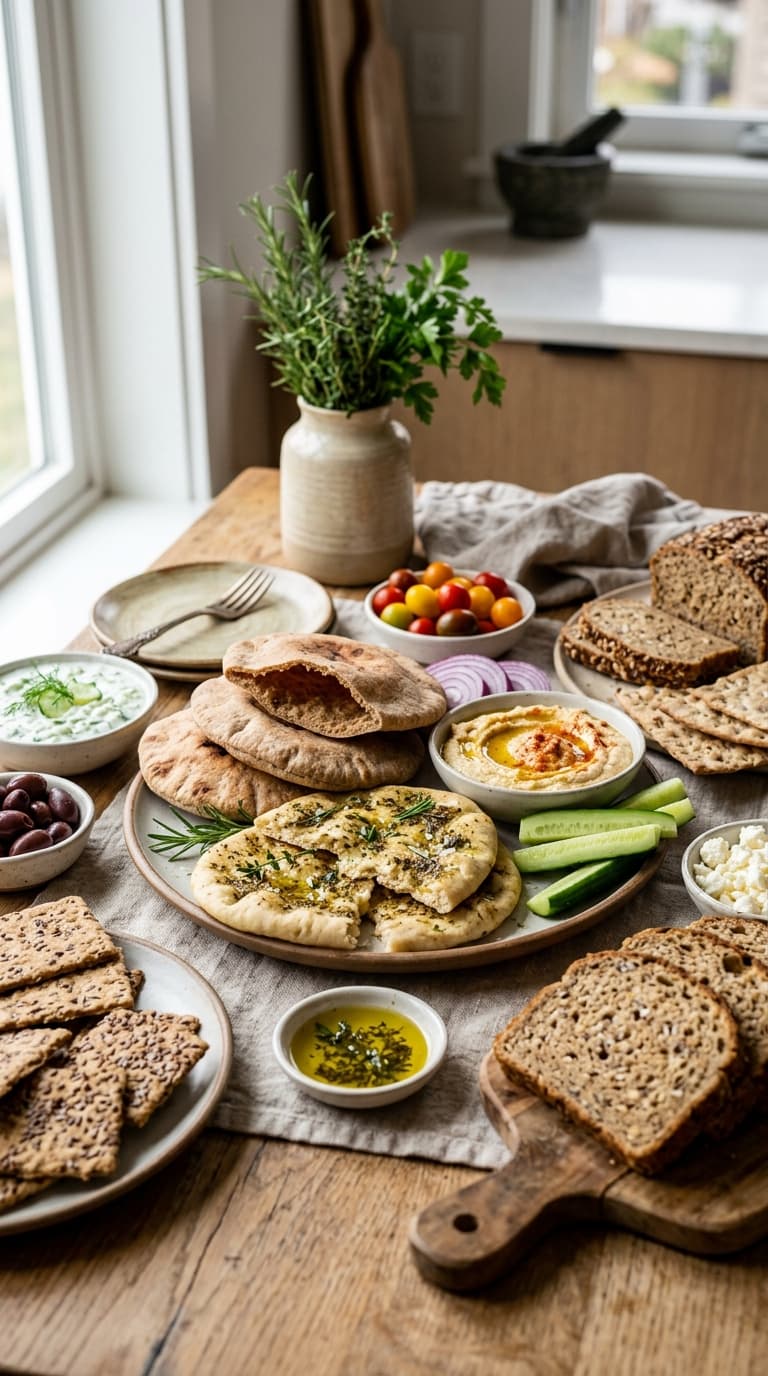
Pita is probably the most iconic bread in Mediterranean cooking — and for good reason. Whole wheat pita packs more fiber than regular white pita and has that perfect pocket structure for stuffing with hummus, grilled veggies, or falafel.
Warm it slightly in a dry pan and it becomes soft, chewy, and absolutely irresistible. IMO, it’s one of the easiest swaps because it feels indulgent without actually being a disaster for your health.
- Great for: wraps, dipping, mini pizzas
- Fiber content: significantly higher than white bread
- Best paired with: hummus, tzatziki, grilled chicken
2. Lavash Flatbread
Lavash is a thin, soft flatbread popular across the Middle East and Mediterranean regions. It’s incredibly versatile — you can use it as a wrap, a pizza base, or even crisp it up in the oven for homemade crackers.
The thinness of lavash means you naturally eat less bread per serving, which is a nice little bonus without even trying. Look for whole grain versions to keep things on the healthier side.
3. Sourdough Bread (Whole Grain)
Okay, sourdough gets a lot of hype — but it actually deserves it. The fermentation process that makes sourdough sour also breaks down gluten and reduces phytic acid, making the nutrients in the grain more bioavailable.
Whole grain sourdough is a Mediterranean-friendly choice because it’s slower to digest, keeps you fuller longer, and has a complex flavor that plain bread just can’t compete with. Slice it thick and pile on some avocado, olive oil, and cherry tomatoes — you’re welcome.
4. Ezekiel Bread
Ezekiel bread is made from sprouted whole grains and legumes — think wheat, barley, lentils, and millet all working together. Sprouting the grains increases their nutritional profile and makes the bread easier to digest.
It’s dense, hearty, and nothing like the fluffy bread you might be used to. Give it a few days and you’ll actually start to love it. It’s especially great toasted with a drizzle of good olive oil.
5. Greek Pita (Thicker Style)
Different from the pocket pita, Greek-style pita is thicker and doughier — the kind you see under souvlaki or wrapped around gyros. It’s soft, slightly chewy, and holds up beautifully under saucy fillings.
If you’ve ever had a proper gyro in Greece (lucky you :)), you know exactly what I mean. The good news is many grocery stores now carry authentic Greek pita, and it’s easy to make at home with whole wheat flour.
6. Corn Tortillas
Corn tortillas are a surprisingly solid Mediterranean diet swap. They’re naturally gluten-free, made from just masa (ground corn) and water, and contain far fewer additives than most commercial bread.
They work especially well as a base for Mediterranean-style tacos — think grilled fish, cucumber salsa, and a squeeze of lemon. Are they traditionally Mediterranean? Not exactly. But do they fit the spirit of whole, simple ingredients? Absolutely.
7. Crispbread (Rye or Whole Grain)
Crispbread is that crispy, flat cracker-style bread that Scandinavians have been eating forever. Rye crispbread in particular is incredibly high in fiber and incredibly low in the kind of stuff that makes regular bread problematic.
Use it as a base for smashed avocado, smoked salmon, or herbed ricotta. It’s crunchy, satisfying, and weirdly addictive. Fair warning: once you start keeping a box in your pantry, it doesn’t last long.
8. Chickpea Flatbread (Socca)
Socca is a traditional flatbread from the South of France and Northwestern Italy — two very Mediterranean places — made purely from chickpea flour, olive oil, and water. It’s naturally gluten-free, high in protein, and incredibly simple to make.
The flavor is slightly nutty and earthy, and it crisps up beautifully in a hot cast iron pan. If you’re prepping Mediterranean bowls for the week, socca makes an incredible side to batch cook alongside everything else.
9. Pide (Turkish Flatbread)
Pide is Turkish flatbread that’s softer and slightly thicker than lavash, with a gentle chewiness that makes it deeply satisfying. Whole grain versions of pide give you a more nutrient-dense option without losing that wonderful texture.
It’s traditionally used as a base for toppings — almost like a Mediterranean pizza — with ingredients like spinach, feta, eggs, or seasoned ground lamb.
10. Whole Grain Naan
Yes, naan has South Asian roots, but whole grain naan works beautifully as a Mediterranean bread alternative because of its soft texture and versatility. Brush it with olive oil and garlic, toast it in a pan, and use it to scoop up baba ganoush or white bean dip.
Just be aware that naan can be on the higher-calorie side, so keep portions reasonable. One piece goes a long way.
11. Rye Bread
Rye bread has one of the lowest glycemic indexes of any bread — meaning it digests slowly and keeps your blood sugar stable for longer. That’s a big deal if you’re eating Mediterranean-style with an eye on overall metabolic health.
It’s denser and slightly tangy, but pair it with good-quality cheese, cucumber, and olive oil, and you’ve got something that tastes genuinely gourmet. Don’t sleep on rye.
12. Oat Flatbread
Oat flatbread is one of those underrated gems that doesn’t get nearly enough attention. Made from rolled oats or oat flour, it’s simple to throw together and naturally higher in soluble fiber — the kind that helps lower cholesterol.
You can make a basic version at home with just oats, water, and a little salt. Roll it thin, cook it on a hot pan, and you’ve got a soft, slightly nutty flatbread ready in minutes.
13. Lettuce Wraps
Okay, technically not bread — but hear me out. Large romaine or butter lettuce leaves make incredible wraps that are crisp, fresh, and add an extra serving of vegetables to your meal without you even trying.
Fill them with grilled chicken, tabbouleh, diced tomatoes, and a drizzle of tahini, and you’ve got a Mediterranean wrap that’s genuinely refreshing — especially in summer. FYI, this is basically the ultimate low-carb move that doesn’t feel like punishment.
14. Collard Green Wraps
Similar to lettuce wraps but sturdier and more substantial. Collard green leaves are thick enough to hold heavier fillings without falling apart, which makes them perfect for meal prep.
Blanch the leaves briefly to soften them, then fill and roll like a burrito. They’re great for Mediterranean lunch boxes for work because they hold up well in the fridge for a day or two without getting soggy.
15. Spelt Flatbread
Spelt is an ancient grain that pre-dates modern wheat, and it has a richer nutrient profile with a slightly sweeter, nuttier flavor. Spelt flatbread is softer than rye but more flavorful than plain whole wheat — kind of the best of both worlds.
It works well as a wrap base or alongside soups and stews. Many people who find regular wheat hard on digestion actually tolerate spelt much better, though it’s not gluten-free.
16. Quinoa Flatbread
Quinoa flatbread sounds fancy but it’s actually really approachable. Quinoa is a complete protein, meaning it contains all nine essential amino acids — which is rare for a plant food. Using it as a flatbread base means your “bread” is actually contributing real nutritional value.
You can make it at home by blending soaked quinoa into a batter and cooking it like a pancake on a hot pan. It comes out slightly crispy on the edges and soft in the middle. Honestly delicious.
17. Flaxseed Wraps
Flaxseed wraps are loaded with omega-3 fatty acids and fiber, which puts them in a different nutritional league from most bread alternatives. They’re also surprisingly flexible and easy to fold without cracking — which is more than I can say for some store-bought low-carb wraps.
These pair really well with smoked salmon, avocado, and lemon — a combination that feels very Mediterranean and very satisfying at the same time.
18. Sweet Potato Rounds
Slice a sweet potato into thick rounds, roast or pan-fry them until tender, and you’ve got a naturally sweet, starchy “bread” base that works brilliantly as an open-faced “toast” alternative. Top with hummus and roasted red peppers, or mashed chickpeas and herbs.
Sweet potato rounds are also great for high-protein meal prep setups because you can roast a big batch ahead of time and use them throughout the week.
19. Zucchini Flatbread
Zucchini flatbread is made by mixing shredded zucchini with eggs, cheese, and a little flour (or almond flour for a gluten-free version) and baking it into a flat base. It’s lower in calories, higher in moisture, and surprisingly filling.
The mild flavor of zucchini means it takes on the taste of whatever you put on top — which makes it incredibly versatile. This is one of those recipes that sounds weird until you try it, and then you wonder why you didn’t try it sooner :/
20. Almond Flour Flatbread
Almond flour is high in healthy fats, low in carbohydrates, and rich in vitamin E, making it one of the more nutritionally impressive bread alternatives on this list. Almond flour flatbread is soft, slightly dense, and has a mild nutty flavor that works well with savory Mediterranean toppings.
If you’re eating lower-carb within a Mediterranean framework — which some people do — almond flour flatbread is one of the best options out there. It also pairs well with the kinds of Mediterranean snacks you can batch prep for the week.
21. Barley Flatbread
We’re rounding out the list with barley — one of the oldest cultivated grains in the world and a staple across Mediterranean civilizations for centuries. Barley has an impressive amount of beta-glucan fiber, which has been shown to support heart health and improve cholesterol levels.
Barley flatbread is earthy and hearty, and it pairs particularly well with legume-based dishes like lentil soup or chickpea stew. If you want to eat the way Mediterranean people have eaten for actual millennia, barley is your grain.
How to Choose the Right Alternative for You
Not every bread alternative works for every person or every meal — and that’s completely fine. Here’s a quick breakdown to help you decide:
- For meal prep and batch cooking: Whole wheat pita, lavash, oat flatbread, or sweet potato rounds
- For low-carb days: Lettuce wraps, collard green wraps, almond flour flatbread, or zucchini flatbread
- For high protein: Chickpea flatbread (socca), quinoa flatbread, or Ezekiel bread
- For gut health: Sourdough whole grain, rye bread, or spelt flatbread
- For omega-3s: Flaxseed wraps — full stop
Mixing and matching throughout the week also keeps things interesting. If you’re building out a full Mediterranean meal prep plan, rotating your bread alternatives means you’re getting a broader range of nutrients without even thinking about it.
Tips for Making Bread Alternatives Work in Real Life
The biggest mistake people make is buying one alternative, not loving it, and then giving up entirely. Don’t do that. Give yourself a few weeks to explore.
- Toast everything. Most flatbreads taste significantly better with a minute or two in a dry pan or toaster.
- Use good toppings. Olive oil, fresh herbs, lemon juice, and quality cheese make even a plain crispbread taste special.
- Batch prep your bases. Make a batch of socca or oat flatbread on Sunday and use it throughout the week.
- Season your wraps. If you’re using lettuce or collard greens, a light brush of tahini or olive oil on the inside transforms the whole thing.
If you’re also working on your overall weekly food prep game, these quick Mediterranean meal prep ideas for busy weeks will give you a solid framework to build around.
The Bottom Line
The Mediterranean diet doesn’t demand that you give up bread — it just invites you to rethink what bread can be. From hearty barley flatbread and protein-packed socca to crispy crispbread and fresh lettuce wraps, there’s genuinely something on this list for every taste, goal, and schedule.
Start with two or three options that sound appealing and build from there. You don’t need to overhaul everything overnight. The goal is to enjoy what you eat while giving your body better ingredients to work with — and honestly, with this many delicious alternatives, that’s not a hard ask at all.
So go raid your pantry, try that chickpea flatbread recipe you’ve been putting off, and let your meals get a little more Mediterranean. Your tastebuds — and your gut — will thank you.