30-Day DASH Diet Challenge To Transform Your Health
30-Day DASH Diet Challenge To Transform Your Health
Let’s be real — most “diet challenges” last about four days before you’re back on the couch with a bag of chips, wondering where it all went wrong. But the DASH diet? It’s genuinely different. It doesn’t ask you to give up entire food groups or survive on celery sticks. It just nudges you toward smarter, heart-friendlier eating — and 30 days is honestly all you need to start feeling the shift.
I tried it myself after my doctor casually dropped the words “elevated blood pressure” into a routine checkup. Nothing like a little health scare to get you motivated, right? So here’s everything I learned, packaged into a challenge that’s actually doable.
What Exactly Is the DASH Diet?
DASH stands for Dietary Approaches to Stop Hypertension. It was originally developed to help people manage blood pressure, but it quickly became one of the most consistently top-ranked diets for overall health — not just heart health.
The core idea is simple: eat more whole foods, reduce sodium, and load up on nutrients like potassium, magnesium, and calcium. You’re not counting calories obsessively or eliminating carbs. You’re just eating like a sensible human being, which — let’s face it — most of us forget to do.
The DASH diet focuses on:
- Fruits and vegetables (lots of them)
- Whole grains over refined carbs
- Lean proteins like chicken, fish, and legumes
- Low-fat dairy for calcium
- Nuts and seeds in moderate amounts
- Limiting sodium to 2,300 mg/day (or 1,500 mg for stricter compliance)
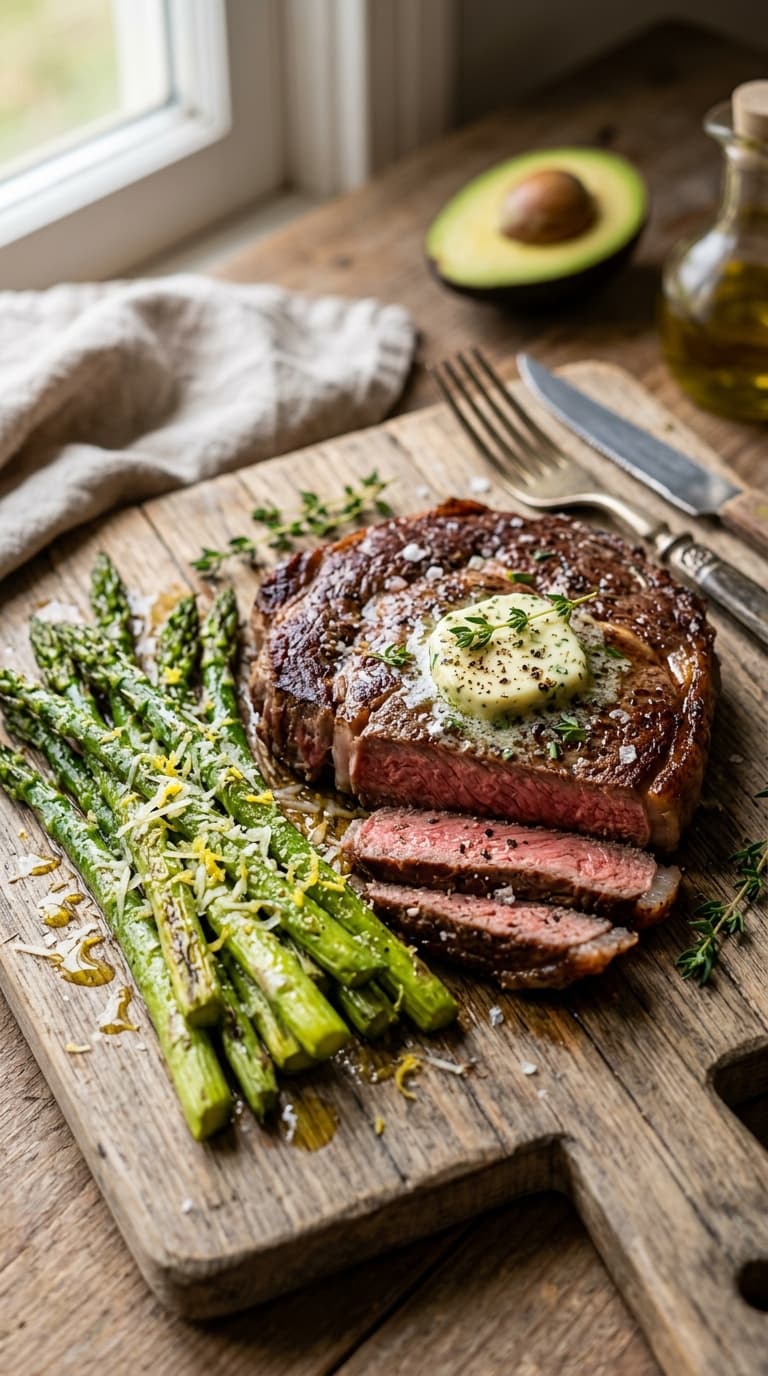
- Cutting back on red meat, sugar, and saturated fats
Why 30 Days? (And Why It Actually Works)
Thirty days hits a sweet spot. It’s long enough for your body to show real changes — blood pressure, energy levels, digestion — but short enough that it feels manageable. You’re not committing to a lifestyle overhaul forever. You’re just saying “okay, 30 days, let’s try this.”
Research consistently shows that people who follow the DASH diet for even two weeks start seeing measurable drops in blood pressure. By 30 days, many people also report better sleep, less bloating, and more stable energy throughout the day. IMO, that alone is worth it.
The challenge format also gives you structure. Instead of vaguely “eating healthier,” you have a roadmap. And roadmaps? They’re the difference between actually arriving somewhere and just driving around hoping for the best.
Week 1: Reset and Recalibrate
Days 1–7: Clean Out and Stock Up
The first week is about building your foundation. Before you start cooking beautifully balanced meals, you need to know what you’re working with — and what’s gotta go.
Start by auditing your pantry. Look at sodium levels on everything. You’ll probably be shocked. A single can of soup can carry 800+ mg of sodium, nearly half your daily limit. That’s not a great start. :/ Swap in low-sodium canned goods, whole grain pasta and rice, and snack on unsalted nuts instead of chips.
Your Week 1 grocery list should include:
- Spinach, kale, broccoli, bell peppers
- Bananas, berries, oranges, apples
- Brown rice, quinoa, whole grain bread
- Chicken breast, salmon, lentils
- Low-fat Greek yogurt, skim milk
- Almonds, walnuts, sunflower seeds
Days 1–7 Sample Daily Goal
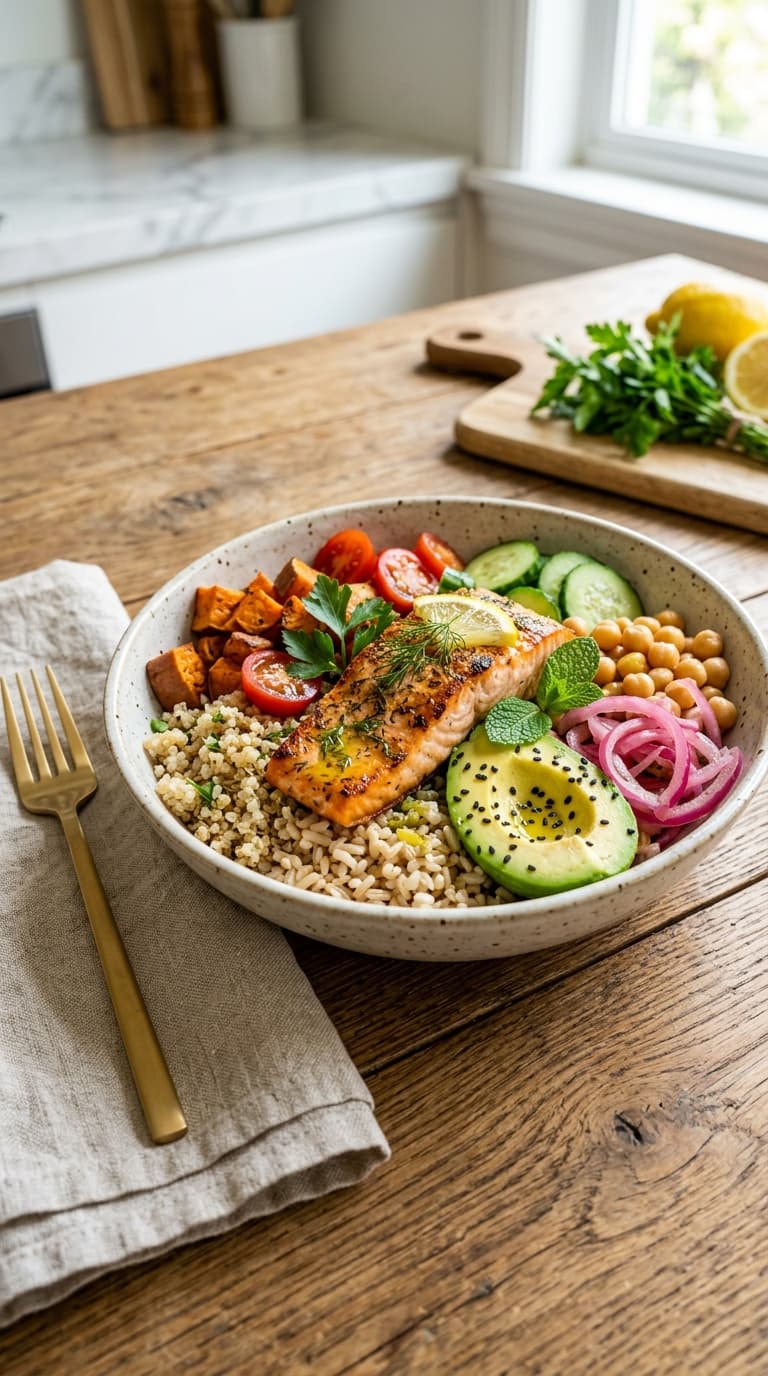
Aim for 4–5 servings of vegetables and 4–5 servings of fruit per day. That sounds like a lot, but a banana at breakfast, an apple as a snack, a big salad at lunch, and roasted veggies at dinner gets you there fast. If you’re into meal prepping, this is where it really pays off — whipping up a batch of balanced bowls packed with protein, carbs, and veggies at the start of the week saves you from scrambling every evening.
Week 2: Build Your Rhythm
Days 8–14: Find Your Go-To Meals
By week two, the initial motivation buzz starts to fade. This is where a lot of challenges fall apart. The secret? Stop trying to cook something new every single night. Find 4–5 DASH-friendly meals you genuinely enjoy and rotate them.
Ever wonder why meal prepping is such a game-changer? Because decision fatigue is real. When you open the fridge and your lunch is already sitting there, all prepped and beautiful, you don’t reach for the takeout menu. Some people love building their own meal prep bowls — it’s flexible, efficient, and you can mix and match based on what’s in season.
Sodium Swaps That Actually Taste Good
Reducing sodium doesn’t mean eating bland food. This is the myth that kills most people’s enthusiasm for heart-healthy eating. The trick is leaning hard into herbs, spices, citrus, and acid.
Try these swaps:
- Salt → lemon juice or vinegar on salads and vegetables
- Soy sauce → low-sodium tamari or coconut aminos
- Canned beans → dried or no-salt-added canned versions
- Processed snacks → hummus with raw veggies or a small handful of walnuts
Your taste buds genuinely adjust after about two weeks. What used to taste normal will start tasting salty. It’s kind of wild, honestly.
Week 3: Level Up Your Nutrition
Days 15–21: Focus on Nutrient Density
You’ve got the basics down. Now it’s time to get a little more intentional. Week 3 is about maximizing the nutritional quality of what you’re already eating — not adding more rules, just making smarter swaps.
This is also a great time to think about protein. The DASH diet isn’t low-protein, but it does emphasize lean sources. If you’re someone who works out regularly, you’ll want to make sure you’re hitting your protein targets while keeping sodium in check. High-protein meal prep bowls are a solid way to do this without having to think too hard about it every single day.
The Potassium and Magnesium Factor
Most people focus only on the sodium-reduction side of DASH, but the mineral-loading side is just as important. Potassium and magnesium actively help lower blood pressure by counteracting sodium’s effects. Foods high in these minerals include:
- Potassium: bananas, sweet potatoes, avocado, white beans, salmon
- Magnesium: pumpkin seeds, almonds, black beans, spinach, dark chocolate (yes, really)
- Calcium: low-fat yogurt, fortified plant milks, broccoli, kale
If your diet is rich in all three, you’re essentially giving your cardiovascular system a full support system. That’s a good thing.
Meal Prep as Your Secret Weapon
By week three, if you haven’t already leaned into meal prepping, now’s the time. The people who struggle with DASH aren’t struggling because the diet is hard — they’re struggling because they’re not prepared. Hunger plus no plan equals terrible decisions. Weight-loss bowls that don’t feel like diet food are proof that eating well doesn’t have to mean eating sadly.
Week 4: Make It Stick
Days 22–30: Sustainability Over Perfection
Here’s a truth nobody tells you: the goal of a 30-day challenge isn’t to be perfect for 30 days. It’s to build habits that stick past day 31. If you had a pizza on day 19 or ate airport food on day 25, that’s fine. You’re building a lifestyle, not auditioning for a documentary.
Week 4 is about reflecting on what actually worked for you. Did you love the meal prep approach? Did you find certain DASH-friendly foods you genuinely look forward to eating? Those are your anchors going forward.
What Results Should You Expect?
By the end of 30 days, many people experience:
- Noticeable drop in blood pressure (especially if it was elevated to start)
- Reduced bloating from cutting processed sodium
- More consistent energy throughout the day
- Better sleep quality — lower sodium and more magnesium can improve this significantly
- Improved digestion from increased fiber intake
- Weight loss of 3–6 pounds for many people, without actively restricting calories
FYI, results vary person to person. If you’re not seeing dramatic changes, it doesn’t mean it’s not working — some benefits, like arterial flexibility and reduced inflammation, happen internally before they show up on a scale or blood pressure cuff.
DASH Diet-Friendly Meal Ideas That Don’t Suck
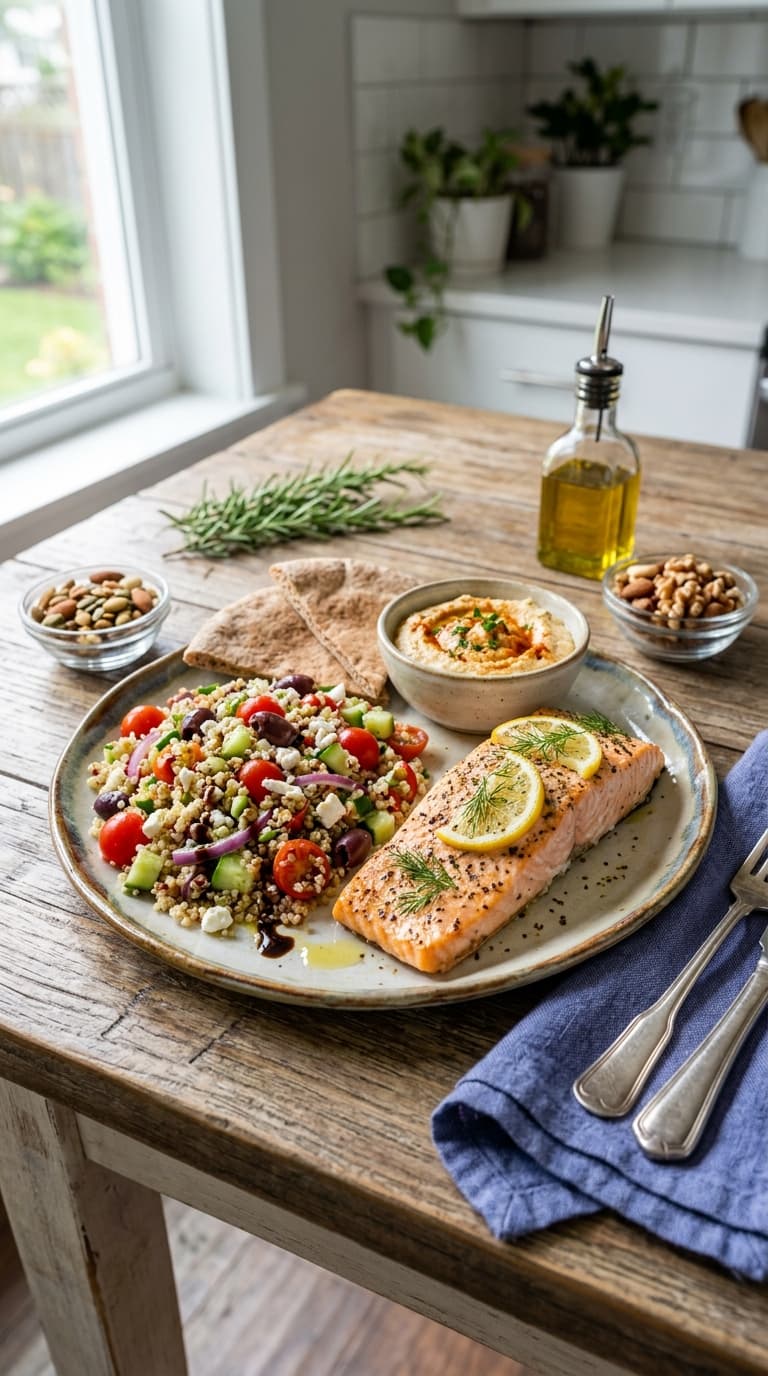
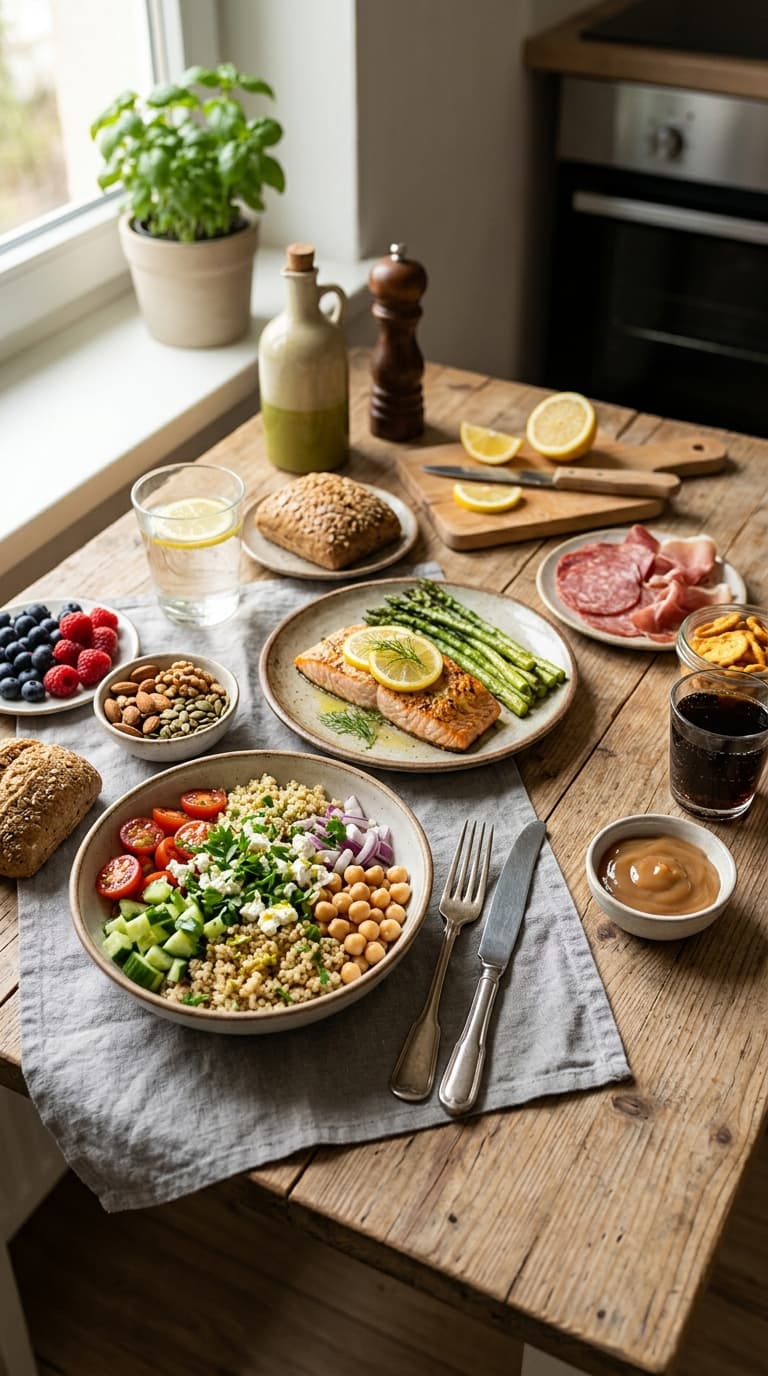
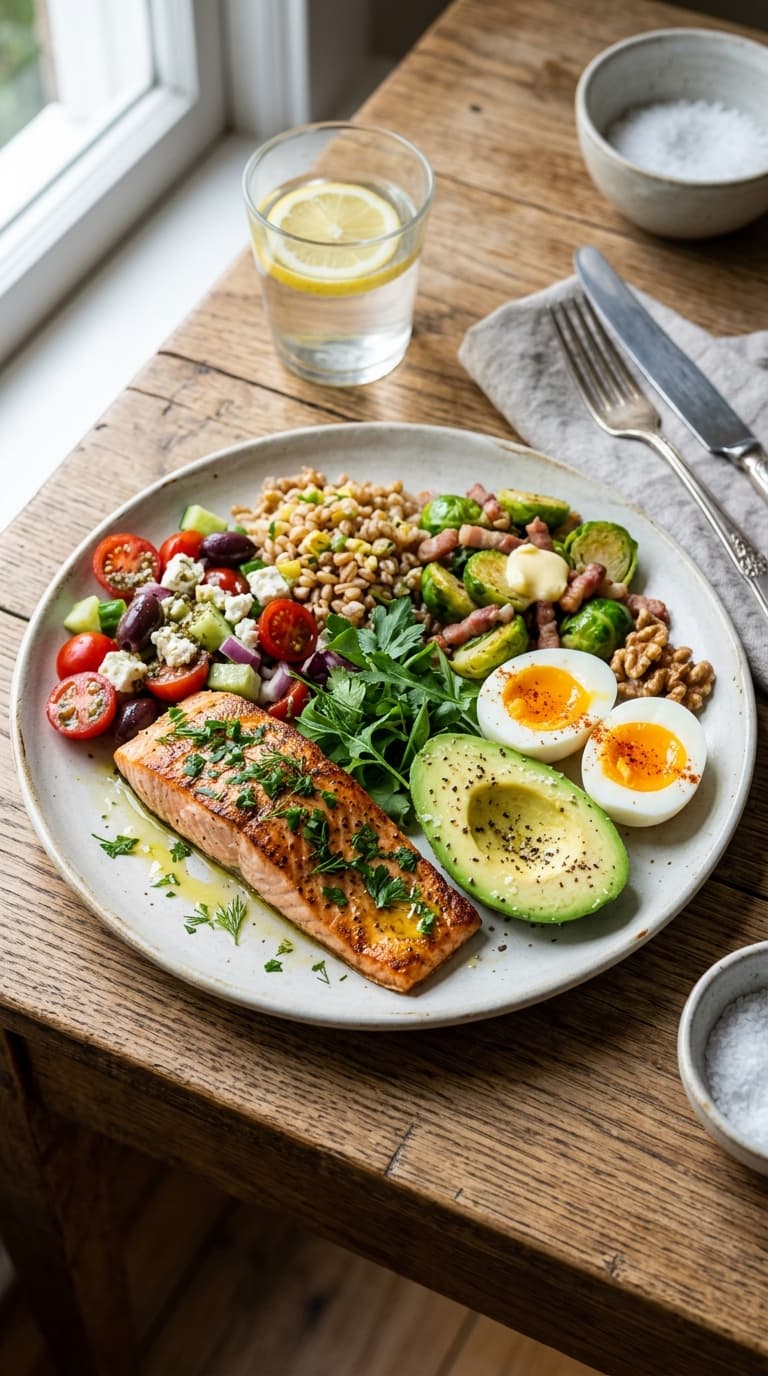
Let’s be honest, nobody wants to eat steamed chicken and plain broccoli every day. The good news is DASH is incredibly flexible when it comes to flavor. Here are some genuinely delicious options that fit right into this eating style.
Breakfast ideas:
- Greek yogurt parfait with mixed berries and a handful of walnuts
- Overnight oats with banana, chia seeds, and almond butter
- Veggie-loaded scrambled eggs with whole grain toast
Lunch ideas:
- Quinoa bowl with roasted chickpeas, cucumber, cherry tomatoes, and tahini dressing
- Lentil soup with whole grain bread
- Big leafy green salad with grilled salmon and avocado
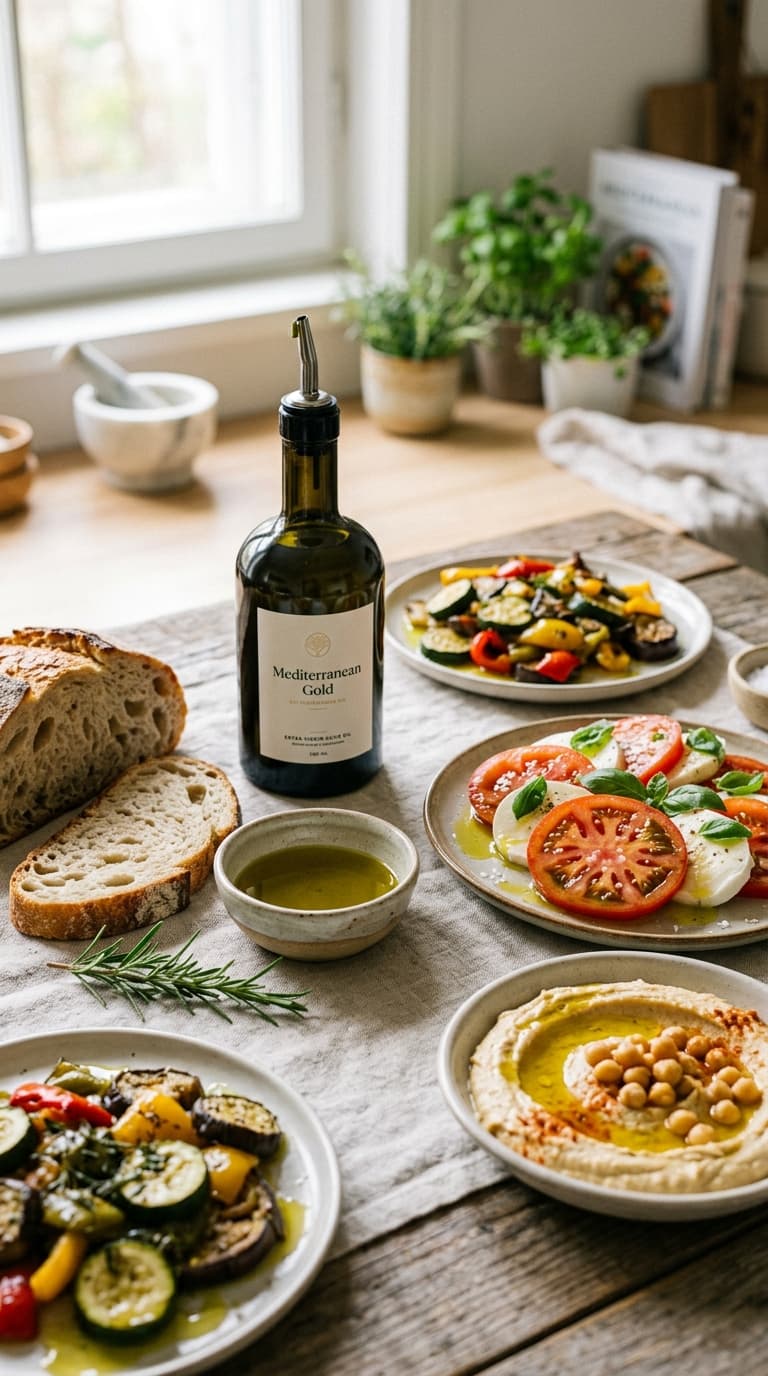
If you’re prepping lunches for the week, Mediterranean-inspired lunch boxes are a natural fit for DASH eating. The two approaches overlap a ton — fresh produce, lean proteins, healthy fats, and loads of flavor without all the sodium.
Dinner ideas:
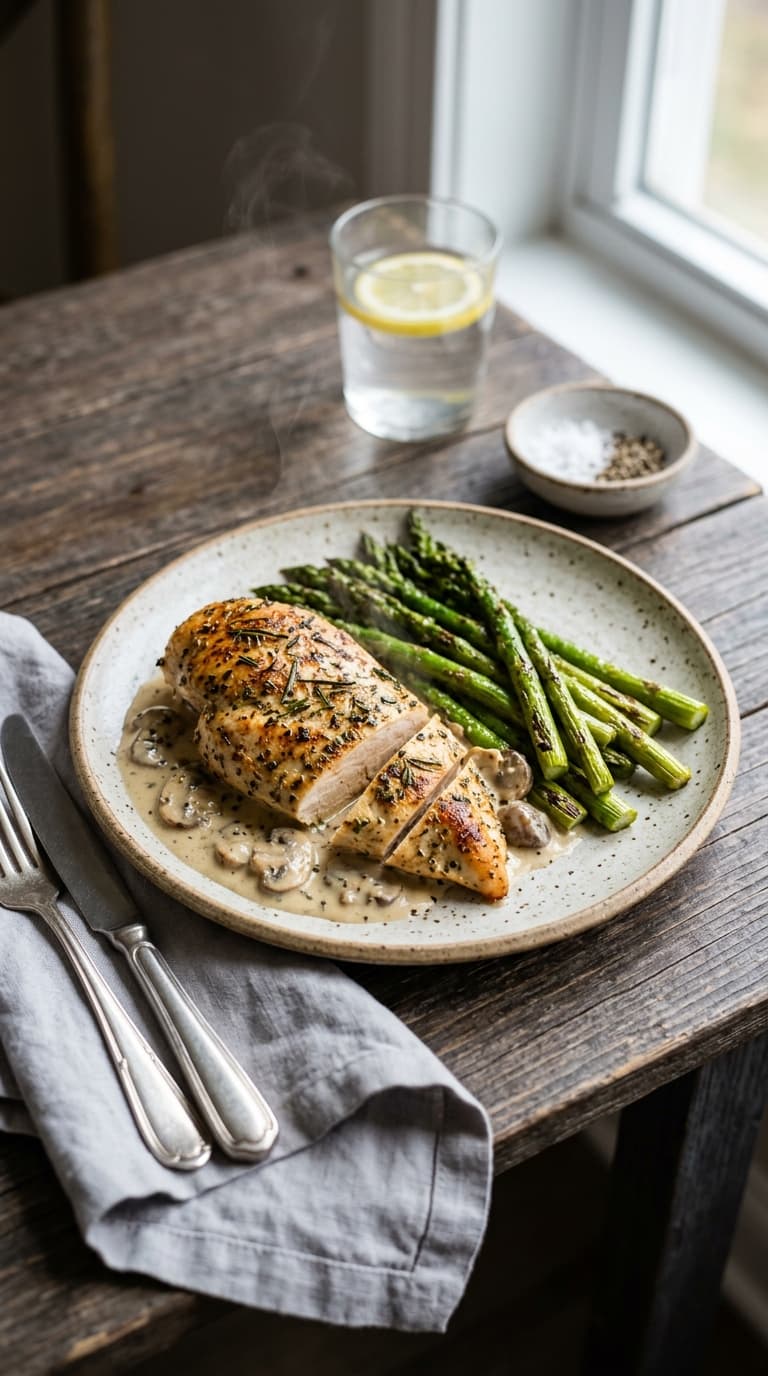
- Baked herb-crusted chicken with roasted sweet potato and steamed broccoli
- Stir-fried tofu with brown rice and lots of colorful vegetables
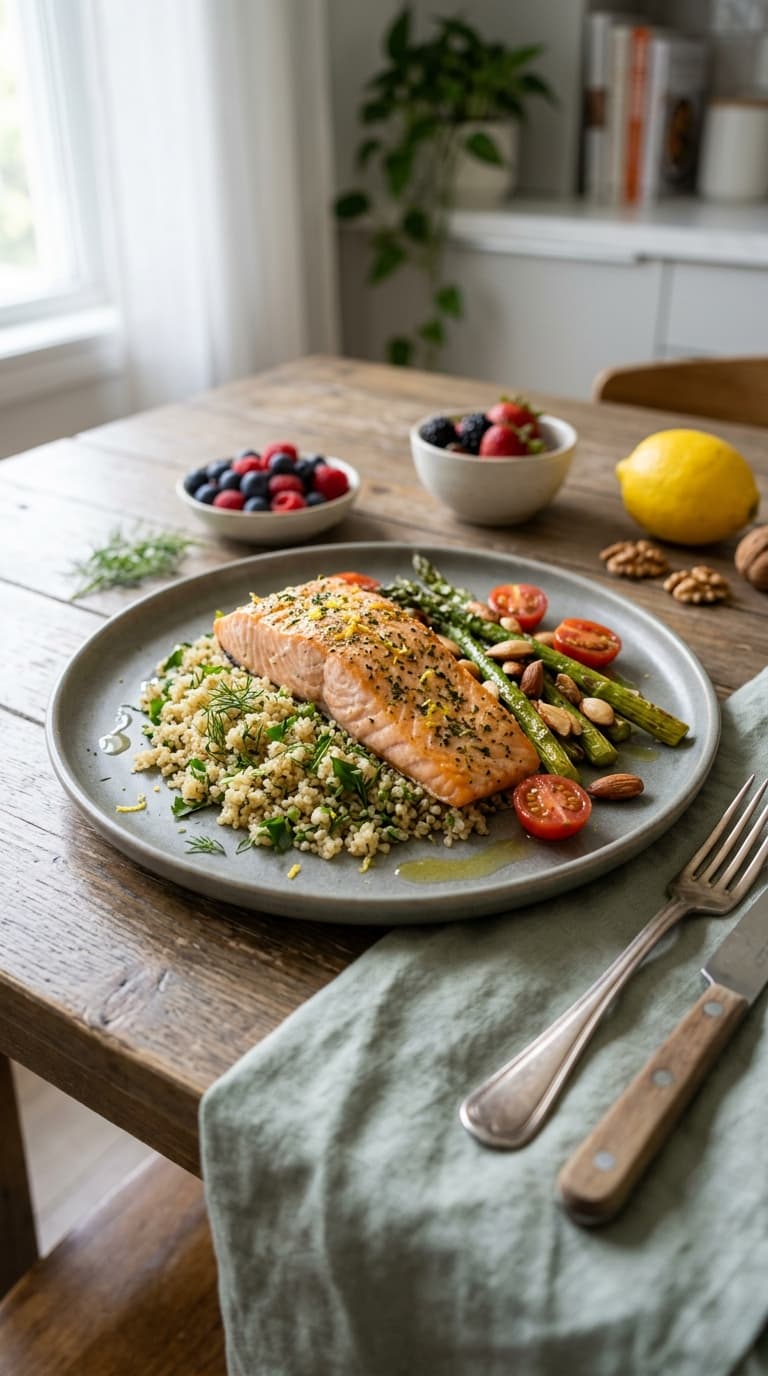
- Baked salmon with quinoa and a big side of sautéed spinach with garlic
Snacks:
- Apple slices with almond butter
- A small handful of unsalted mixed nuts
- Hummus with sliced bell peppers and cucumber
Common DASH Diet Mistakes to Avoid
Even with the best intentions, people trip up. Here are the biggest mistakes I see (and made myself):
1. Only focusing on sodium reduction
Cutting sodium is important, but if you’re not also increasing potassium, magnesium, and calcium, you’re only doing half the job. The mineral balance is what makes DASH genuinely powerful.
2. Eating “healthy” processed foods with hidden sodium
Whole grain crackers, deli turkey, cottage cheese, vegetable juice — these all sound DASH-friendly but can carry surprisingly high sodium. Always check labels.
3. Not drinking enough water
More fiber means you need more water. Skipping hydration while loading up on vegetables and whole grains is a recipe for bloating and discomfort.
4. Giving up after one bad day
One off-meal doesn’t ruin 30 days. Quitting after one off-meal does. Keep going.
5. Making it too complicated
DASH doesn’t require fancy recipes. Simple meal prep bowls that actually simplify your life are sometimes the most effective approach. You don’t need to be a chef to eat well.
DASH Diet vs. Mediterranean Diet: Which Is Better?
People ask this comparison question a lot, and honestly? They’re close cousins. Both emphasize whole foods, lean proteins, lots of vegetables, and healthy fats. The main difference is DASH has a specific, quantified focus on sodium and blood pressure management, while the Mediterranean diet leans more into olive oil and moderate red wine.
If your primary goal is blood pressure control, DASH wins. If you’re aiming for general longevity and don’t have a specific hypertension concern, Mediterranean might feel more flexible and enjoyable long-term. That said, many people combine elements of both — and there’s solid evidence that Mediterranean meal prep approaches naturally align with DASH principles anyway.
Your 30-Day DASH Challenge Action Plan
Here’s a simple framework to keep you on track:
Week 1: Pantry audit, grocery restock, start tracking sodium intake
Week 2: Establish 4–5 go-to DASH meals, meal prep twice a week
Week 3: Fine-tune mineral intake, focus on potassium and magnesium-rich foods
Week 4: Reflect, adjust, and lock in the habits you want to keep
Keep it simple. Keep it consistent. Don’t make it your entire personality — just make it your new normal. 🙂
Wrapping It Up
The 30-day DASH Diet Challenge isn’t about restriction — it’s about redirection. You’re not giving up good food. You’re trading processed, sodium-loaded shortcuts for real, nutrient-dense meals that your body actually knows what to do with.
After 30 days, most people don’t want to go back. Not because they’re disciplined superhumans, but because they genuinely feel better. More energy, less puffiness, better sleep, and — if you started with high blood pressure — real, measurable improvement in your numbers.
So here’s your call to action: start with week one. Just week one. Clean out the pantry, stock up on the good stuff, and pick a few meals you’re excited to eat. That’s it. The rest follows naturally.
Your heart will thank you. Probably your jeans too.