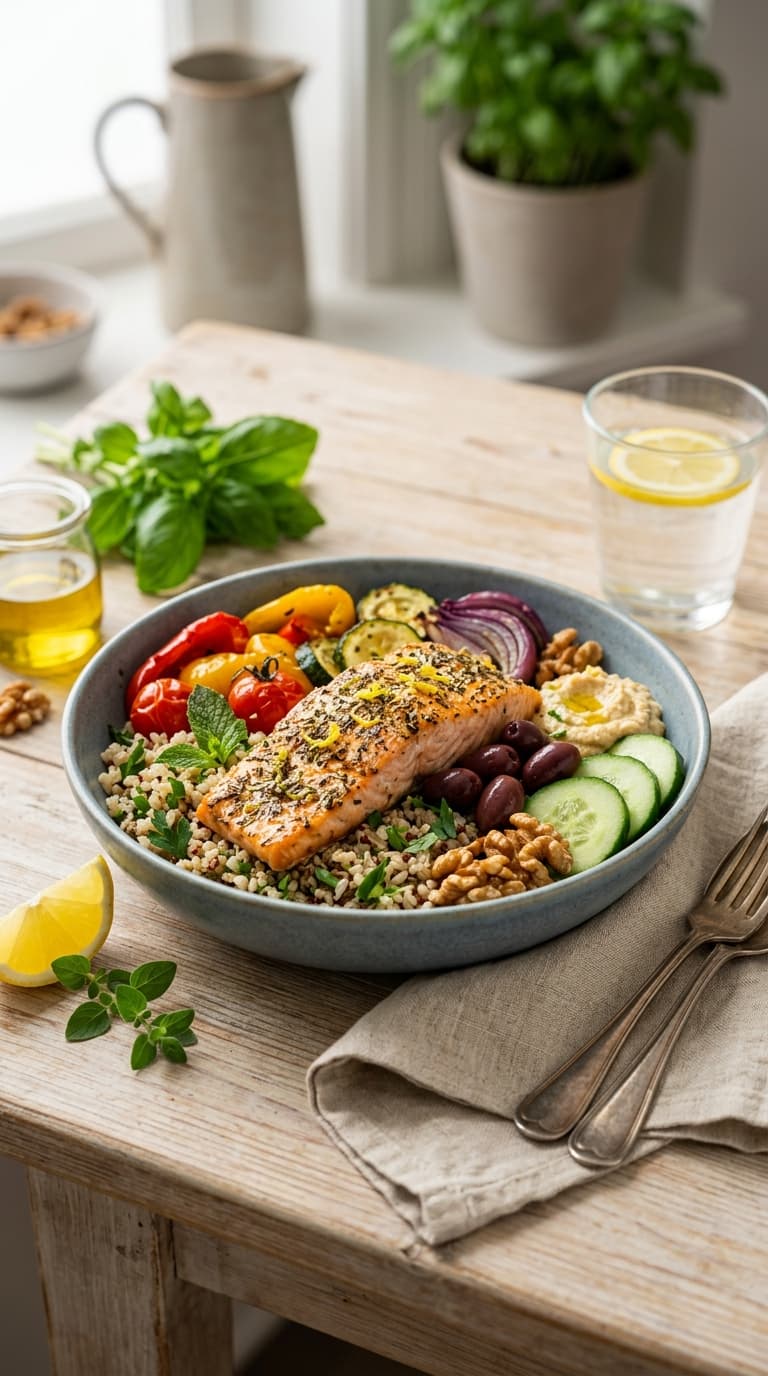

Keto Flu: What It Is & How To Beat It Fast
Keto Flu: What It Is & How To Beat It Fast

So you jumped on the keto train, felt pumped about all the bacon and avocado you were about to eat, and then — bam — day three hit you like a truck. Headache, brain fog, zero energy, maybe a little nausea. Welcome to the keto flu. Nobody puts this part on the brochure, but it’s real, it’s common, and the good news? You can beat it fast if you know what you’re doing.
I went through this myself when I first tried keto, and honestly, I almost quit. I thought something was genuinely wrong with me. Spoiler: nothing was wrong. My body was just throwing a tiny carb tantrum. Let me break it all down so you don’t make the same mistakes I did.
What Exactly Is Keto Flu?
Keto flu isn’t an actual flu. No virus, no infection, nothing contagious. It’s a collection of symptoms your body throws at you when you drastically cut carbs and it starts shifting from burning glucose to burning fat for fuel. This metabolic shift — called ketosis — is the whole point of keto, but getting there can feel rough for a few days.
Your body has been running on carbs your whole life. Suddenly pulling the carb rug out? Your system gets confused. It takes time to ramp up the fat-burning enzymes and pathways, and in the meantime, you feel like garbage. :/
The symptoms typically kick in within two to seven days of starting keto and can last anywhere from a few days to two weeks depending on how your body adapts.
Common Keto Flu Symptoms
Here’s what you might be dealing with:
- Headaches (the most common complaint, hands down)
- Fatigue and low energy
- Brain fog and difficulty concentrating
- Nausea
- Irritability (yes, you might snap at people — fair warning)
- Muscle cramps or weakness
- Dizziness
- Difficulty sleeping
- Sugar cravings (obviously)
- Constipation or digestive issues
Not everyone gets all of these. Some people barely notice anything. Others feel like they got hit by a bus. The severity varies a lot based on how carb-heavy your diet was before, your hydration habits, and your individual metabolism.
Why Does Keto Flu Actually Happen?
Understanding the why makes it way easier to fix it. There are three main things going on:
Glycogen Depletion and Water Loss
When you cut carbs, your body burns through its stored glycogen (glucose stored in muscles and liver) pretty fast. Here’s the thing most people don’t realize — every gram of glycogen holds about three grams of water. So when you burn through that glycogen, you flush a ton of water out. That’s why people lose a few pounds super fast at the start of keto. Great for the scale, not so great for your head.
All that water loss drags electrolytes — sodium, potassium, and magnesium — right along with it. Low electrolytes are behind most keto flu symptoms: headaches, cramps, dizziness, fatigue. It’s basically a mineral deficiency that happens really fast.
Insulin Drop
Carbs trigger insulin. No carbs means insulin drops significantly. Lower insulin signals your kidneys to excrete more sodium. More sodium out means more water out. It’s a cascading chain reaction that leads straight to dehydration and electrolyte imbalance if you’re not proactive about it.
The Metabolic Transition
Your body is literally rewiring its energy systems. Fat metabolism requires different enzymes than carb metabolism, and your body needs time to upregulate those fat-burning enzymes. During this awkward in-between phase, your brain and muscles aren’t getting energy super efficiently, which explains the fog and the fatigue.
How To Beat Keto Flu Fast
Alright, here’s the part you actually came for. These strategies genuinely work, and most of them are simple fixes you can start today.
1. Hydrate Like It’s Your Job
Seriously — drink more water than you think you need. Aim for at least 8–10 glasses a day, possibly more if you’re active. The water loss from glycogen depletion is significant, and you need to stay ahead of it.
Plain water is great, but it’s not the full picture. You also need to replace the electrolytes you’re losing.
2. Prioritize Electrolytes — This Is the Big One
Electrolyte deficiency is the number one driver of keto flu symptoms. Fix this, and you’ll feel dramatically better within hours. Here’s what you need:
- Sodium: Add salt to your food generously. Drink broth (chicken or beef bone broth is fantastic). Most people on keto need 3,000–5,000 mg of sodium per day, which is more than the standard recommendation because your kidneys are dumping it.
- Potassium: Avocados, leafy greens, salmon, and nuts are your friends here. Aim for around 3,000–4,500 mg daily.
- Magnesium: This one’s the sneakiest deficiency. It causes muscle cramps, poor sleep, and anxiety. Supplement with magnesium glycinate or citrate (200–400 mg at night works well) or eat pumpkin seeds, dark chocolate, and spinach.
FYI, there are also dedicated keto electrolyte supplements and powders on the market that cover all three. They’re convenient and worth trying if you don’t want to track individual minerals obsessively.
3. Don’t Skip Fat — Eat More of It
A lot of new keto people cut carbs but don’t replace those calories with enough fat. Your body needs fuel. If you’re running low on both carbs and fat, your energy crashes hard. Make sure fat makes up 70–75% of your daily calories.
Think: butter, avocado oil, olive oil, fatty cuts of meat, full-fat dairy, nuts, and coconut oil. These aren’t just allowed on keto — they’re the engine. And while you’re planning your meals, having a solid keto meal prep system makes a huge difference in staying consistent, especially through the adaptation phase.
4. Ease Into Keto Instead of Going Cold Turkey
If you’re not yet in the thick of keto flu and you’re just starting out, consider gradually reducing carbs over one to two weeks instead of dropping to under 20g instantly. This gives your body a gentler on-ramp and can significantly reduce or even eliminate symptoms.
Cut processed carbs and sugar first. Then reduce grains. Then reduce fruits and starchy veggies. By the time you hit full keto macros, your body is halfway adapted already.
5. Rest and Don’t Push Intense Workouts
Your body is going through a real metabolic shift. Trying to crush a heavy workout during keto flu is like trying to run your car on fumes — not a great idea. Take it easy for the first week or two.
Light walking, yoga, or gentle movement is totally fine and can actually help. But skip the HIIT sessions and heavy lifting until you feel more like yourself. Your performance will come back, and usually it comes back stronger once you’re fat-adapted.
6. Get Quality Sleep
Poor sleep makes every symptom worse, and keto flu already messes with sleep for some people. Prioritize 7–9 hours. Take your magnesium at night — it genuinely improves sleep quality. Keep your room cool and dark, limit screens before bed, and give your body the recovery time it needs to complete this adaptation.
7. Consider Medium-Chain Triglycerides (MCTs)
MCT oil or MCT powder is a game-changer for the keto adaptation phase. MCTs convert to ketones incredibly fast — faster than regular dietary fat. This means your brain and muscles get quick keto fuel even before you’re fully fat-adapted. A tablespoon in your coffee in the morning can cut through brain fog noticeably.
Start with a small amount though (half a teaspoon) because too much MCT at once can cause serious digestive distress. Lesson learned the hard way by many keto beginners, myself included 🙂
What To Eat During Keto Flu
Your food choices during this phase matter more than usual. Focus on whole, nutrient-dense foods that support electrolyte balance and provide plenty of fat and moderate protein.
Great options include:
- Fatty fish (salmon, sardines, mackerel) — loaded with omega-3s, potassium, and protein
- Avocados — the keto superfood, packed with potassium and healthy fat
- Leafy greens (spinach, kale, arugula) — high in magnesium and potassium
- Eggs — complete nutrition in a little package
- Bone broth — sodium, collagen, and easy on the stomach when you feel off
- Nuts and seeds — magnesium, fat, and convenient snacking
- Full-fat dairy (if tolerated) — cheese, butter, heavy cream
Meal prepping really helps here. When you feel foggy and tired, the last thing you want to do is figure out what to cook. Having high-protein keto-friendly meals already prepped means you just grab and eat. If you’re also watching calories alongside keto, low-carb lunch boxes make staying on track during work days so much easier.
How Long Does Keto Flu Last?
Most people feel better within three to seven days if they’re proactive about electrolytes and hydration. For others, it can stretch to two weeks. IMO, the people who suffer the longest are usually the ones who aren’t eating enough salt or fat — fix those two things first.
Full fat adaptation (where your body is running efficiently on ketones) takes longer — usually four to six weeks. You’ll know you’re there when your energy is steady throughout the day, your brain feels sharp, and you don’t get hungry every two hours. That phase is absolutely worth pushing through the flu to reach.
When Should You Be Concerned?
Keto flu is uncomfortable but not dangerous for most healthy people. However, talk to a doctor if:
- Symptoms last more than two weeks
- You experience severe vomiting or can’t keep water down
- You have heart palpitations or chest pain
- You have diabetes, kidney disease, or any chronic condition
People on certain medications — especially blood pressure or diabetes medications — should work with a healthcare provider before starting keto, because the dietary change can affect how those medications work.
Keto Flu vs. Actual Flu — How To Tell
Ever doubted yourself mid-keto flu and wondered if you actually caught something? Here’s a quick way to tell them apart:
- Keto flu: No fever, no body aches in the classic flu sense, symptoms tied directly to starting a low-carb diet, improves with electrolytes and water
- Actual flu: Fever, chills, body aches, respiratory symptoms, not tied to diet change
If you have a fever, it’s not keto flu. See a doctor.
The Long Game: Life After Keto Flu
Here’s the honest truth — pushing through keto flu and coming out the other side into full fat adaptation is genuinely one of the best things you can do for your metabolic health, energy levels, and mental clarity. The people who quit during the flu phase never get to experience that part.
Once adapted, many people report steady all-day energy with no crashes, reduced hunger, better mental focus, and significant body composition improvements. Pairing a fat-adapted metabolism with smart eating habits — like following a solid 7-day keto meal prep plan — makes the whole lifestyle way more sustainable long-term.
If you want keto to work for you beyond just the first few weeks, structure matters. Knowing what keto breakfasts to prep ahead and which keto dinners reheat well removes the daily decision fatigue that kills most diets.
Quick Keto Flu Survival Checklist
Pin this somewhere you’ll see it:
- Drink 8–10+ glasses of water daily
- Salt your food generously and drink bone broth
- Supplement magnesium at night
- Eat avocados, leafy greens, and fatty fish for potassium
- Make sure 70–75% of your calories come from fat
- Rest — skip intense exercise for the first week
- Try MCT oil in the morning for quick brain fuel
- Prep your meals ahead so you’re not making decisions when you feel awful
Final Thoughts
Keto flu is basically your body’s dramatic exit from its lifelong carb dependency. It’s uncomfortable, it’s temporary, and it’s 100% survivable — especially now that you know exactly what’s causing it and how to fight back.
The biggest mistake people make is suffering through it unnecessarily because they didn’t know about electrolytes. Now you do. Start drinking that salt water, eat your avocados, and give your body a week to catch up with the new program.
You’ve got this. The other side of keto flu — where you feel sharp, energized, and your hunger is finally under control — is absolutely worth it. Go prep your meals, stock your electrolytes, and stop letting a few rough days talk you out of something genuinely powerful.