7 Days Mediterranean Diet For PCOS: Foods That Help Balance Hormones
7 Days Mediterranean Diet For PCOS: Foods That Help Balance Hormones
If you have PCOS, you already know the drill — bloating, irregular cycles, stubborn weight, and hormones that seem to do whatever they want. It’s exhausting. And honestly, the internet isn’t always helpful when it’s throwing ten different “miracle diets” at you every week. So let’s talk about something that actually has solid research behind it: the Mediterranean diet for PCOS.
I’m not here to sell you a magic fix. But after digging deep into how food affects hormonal balance, I genuinely believe this eating style is one of the most practical, sustainable, and enjoyable approaches for women managing PCOS. And yes, enjoyable. Because who wants to survive on plain chicken and sadness? 🙂
Why the Mediterranean Diet Works So Well for PCOS
Before we get into the actual 7-day plan, it helps to understand why this way of eating makes such a difference for PCOS specifically.
PCOS is heavily tied to insulin resistance. When your cells stop responding properly to insulin, your body pumps out more of it — and that extra insulin signals your ovaries to produce more androgens (male hormones). Hello, acne, hair loss, and irregular periods.
The Mediterranean diet is naturally low in refined carbs and high in fiber, healthy fats, and anti-inflammatory foods. That combination helps keep insulin levels steady, reduces systemic inflammation, and supports better hormonal signaling overall. It’s not complicated — it’s just really well-designed eating.
The Core Foods That Actually Move the Needle
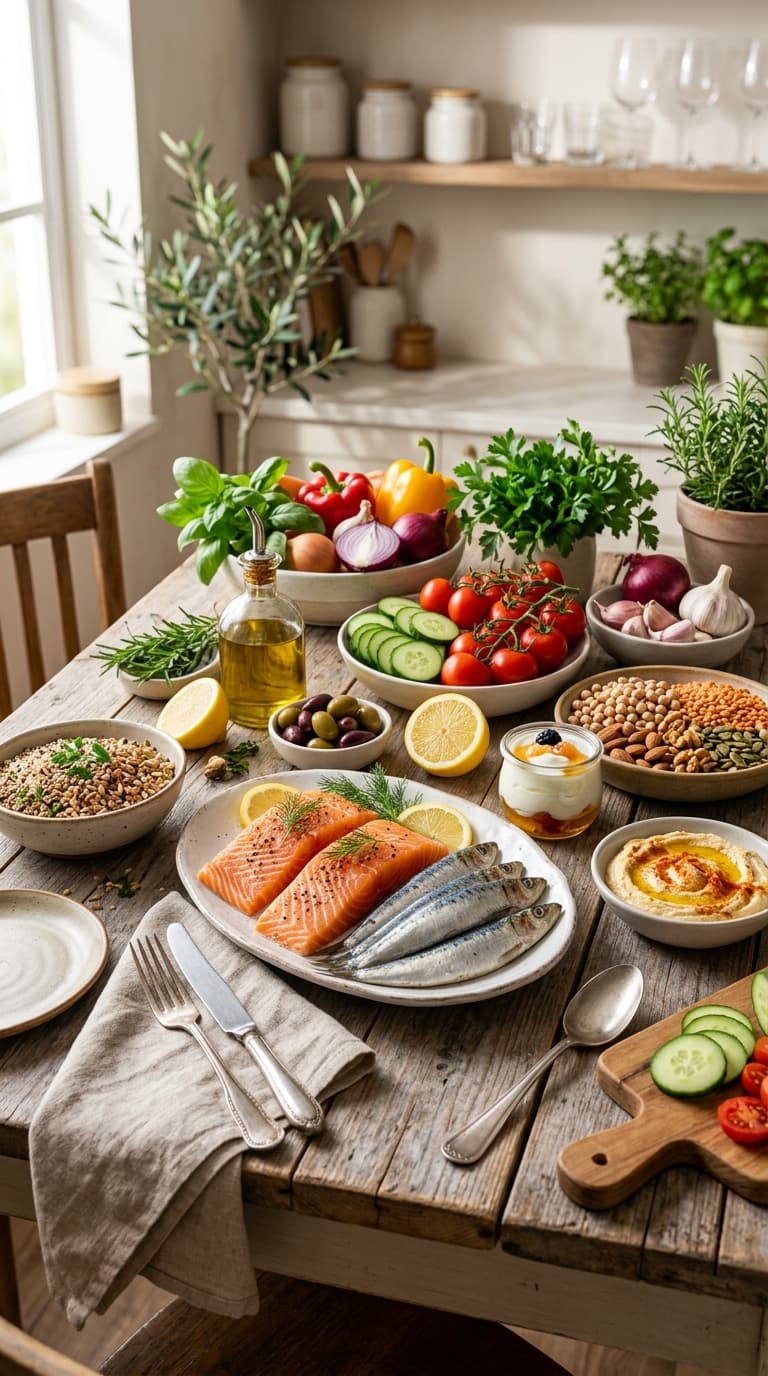
Not all Mediterranean foods are created equal when it comes to PCOS. Some are good. Some are great. Here’s what you want to prioritize:
Olive Oil — Your New Best Friend
Extra virgin olive oil is one of the most anti-inflammatory foods on the planet. It contains oleocanthal, a compound that works similarly to ibuprofen in the body. For PCOS, where chronic low-grade inflammation is a real issue, using olive oil as your primary fat source is a genuinely smart move.
Use it on everything. Salads, roasted veggies, drizzled over fish. Don’t be shy with it.
Fatty Fish for Omega-3s
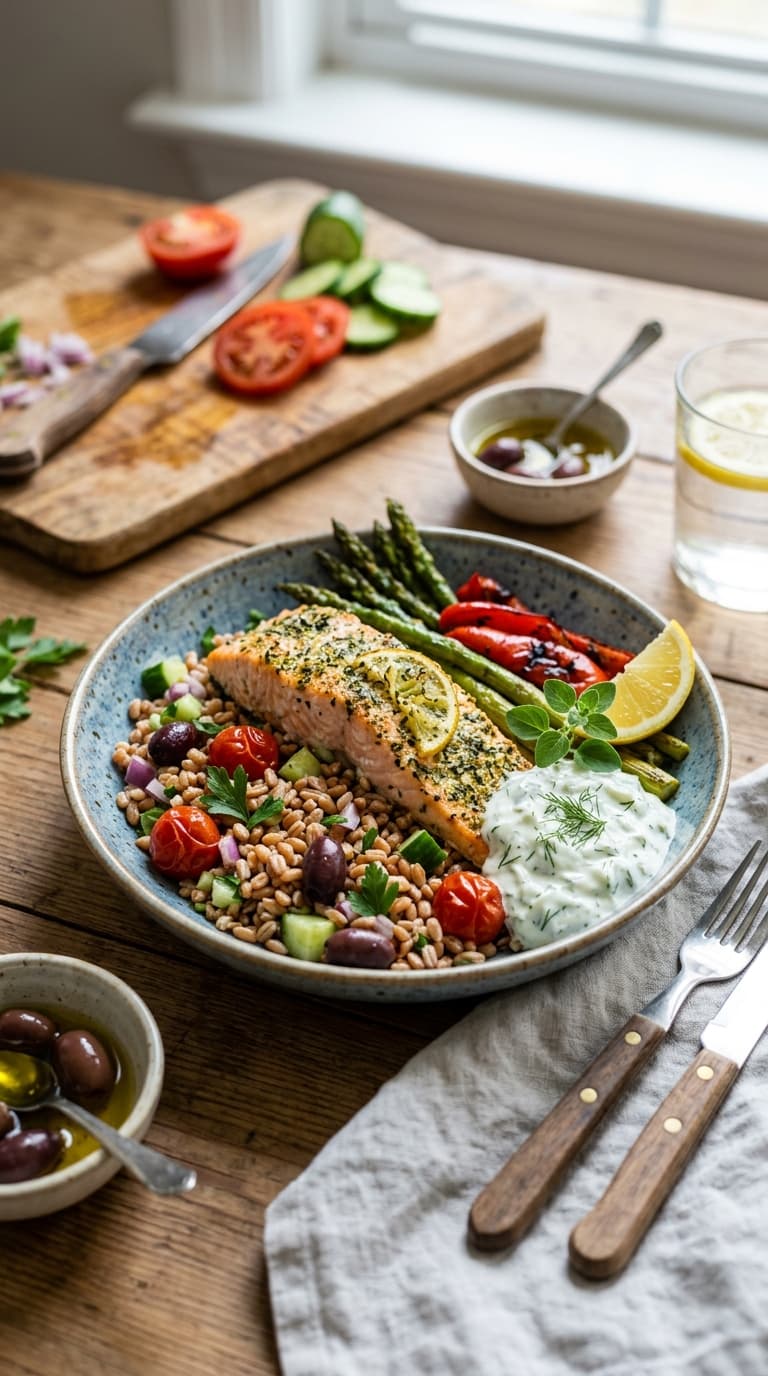
Salmon, sardines, mackerel, and anchovies are loaded with omega-3 fatty acids, which have been shown to lower testosterone levels and reduce inflammation in women with PCOS. Aim for at least two to three servings per week.
FYI, if you’re not a fish person, omega-3s from walnuts and flaxseeds offer some benefit too — but fatty fish is genuinely hard to beat here.
Leafy Greens and Cruciferous Vegetables
Spinach, kale, broccoli, and Brussels sprouts are all stars in this eating plan. Cruciferous vegetables support liver detoxification, which helps your body clear out excess estrogen and androgens more efficiently. Leafy greens are also packed with magnesium, a mineral that many women with PCOS are deficient in.
Low magnesium = worse insulin resistance. So pile those greens on your plate without guilt.
Legumes — The Underrated Hormone Helpers
Lentils, chickpeas, and black beans are excellent sources of plant-based protein and slow-digesting fiber. They keep blood sugar stable for hours after eating, which directly helps with insulin resistance. They’re also incredibly budget-friendly, which is always a win.
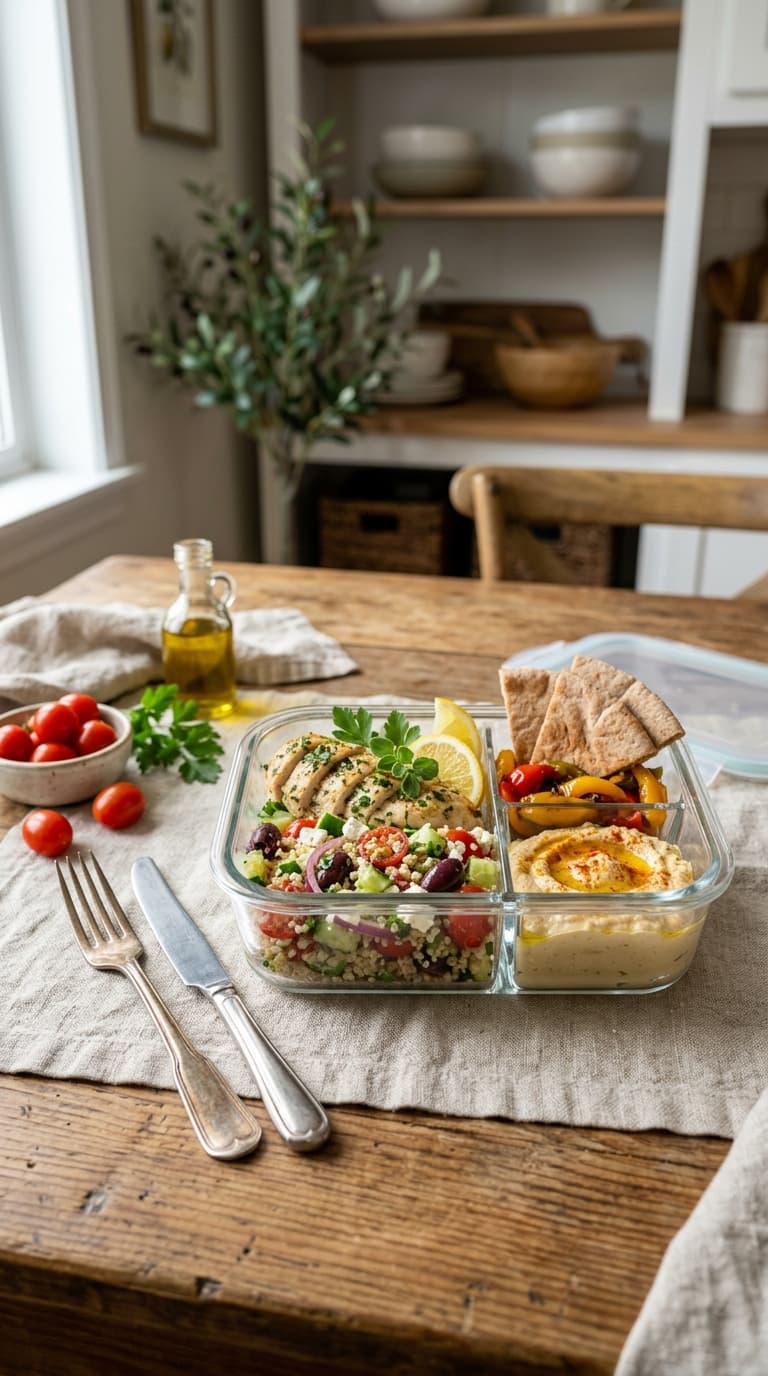
If you’re looking for easy Mediterranean lunch boxes for work, legume-based salads and wraps are honestly some of the easiest things to prep ahead.
Berries and Low-Glycemic Fruits
Strawberries, blueberries, raspberries — all fantastic. Their high antioxidant content helps reduce oxidative stress, which is elevated in most women with PCOS. They’re also lower in sugar than tropical fruits, so they won’t spike your blood sugar the way a bowl of mango might.
Whole Grains Instead of Refined Carbs
Swap white bread and white rice for quinoa, farro, bulgur, and oats. Whole grains digest more slowly and don’t trigger the same insulin spike that refined carbs do. This single swap can make a noticeable difference in how you feel day to day.
Nuts and Seeds
Almonds, walnuts, pumpkin seeds, and ground flaxseed are all Mediterranean staples with serious hormonal benefits. Flaxseed in particular contains lignans that can help block excess androgens. A tablespoon or two a day sprinkled on yogurt or oatmeal is an easy habit to build.
Foods to Minimize (or Just Quietly Break Up With)
The Mediterranean diet isn’t about restriction — but there are some foods that actively work against hormonal balance in PCOS:
- Refined carbs (white bread, pastries, sugary cereals) — spike insulin fast
- Processed and fried foods — drive inflammation
- Sugary drinks — liquid sugar hits the bloodstream immediately
- Dairy in large amounts — controversial, but some women with PCOS notice improvement when they reduce it
- Red and processed meats — associated with higher androgen levels in some studies
You don’t have to be perfect. But being mindful of these foods, especially in the first few weeks, can help you notice a real difference.
The 7-Day Mediterranean Diet Plan for PCOS
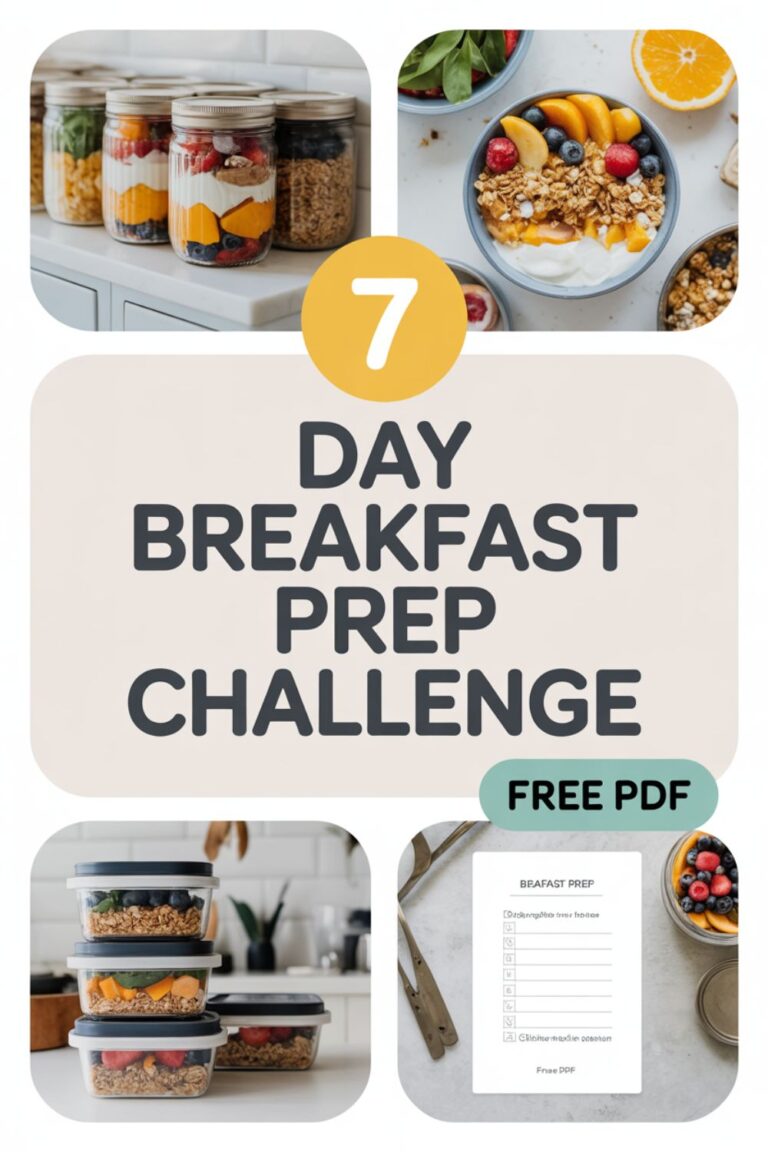
Here’s a practical, realistic week of eating. I’ve kept it simple, flavorful, and genuinely doable — because nobody has time for recipes that require 45 specialty ingredients. If you want to batch everything on Sunday, check out this 7-day Mediterranean meal prep plan with a free printable to make your week even smoother.
Day 1
- Breakfast: Greek yogurt (unsweetened) with blueberries, ground flaxseed, and a drizzle of honey
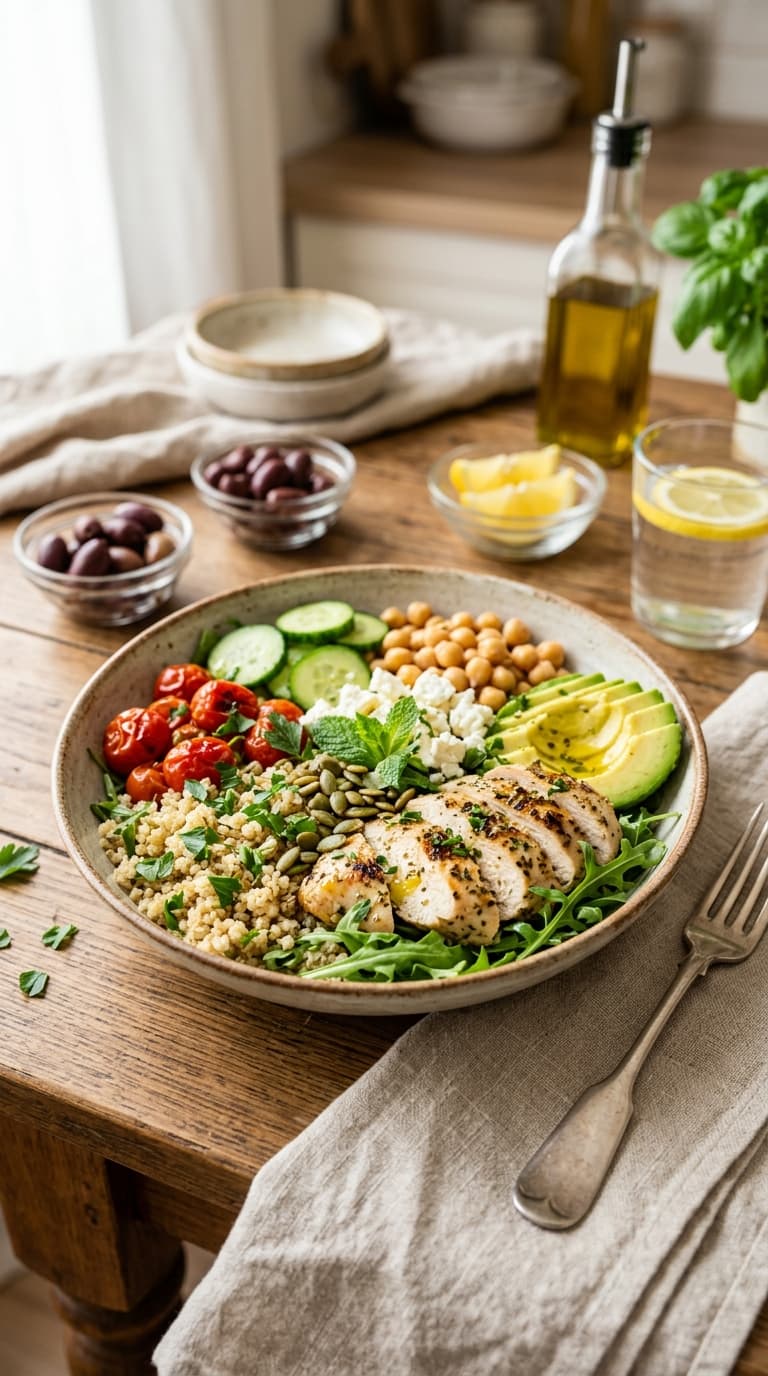
- Lunch: Big salad with chickpeas, cucumber, tomato, olives, feta, and olive oil lemon dressing
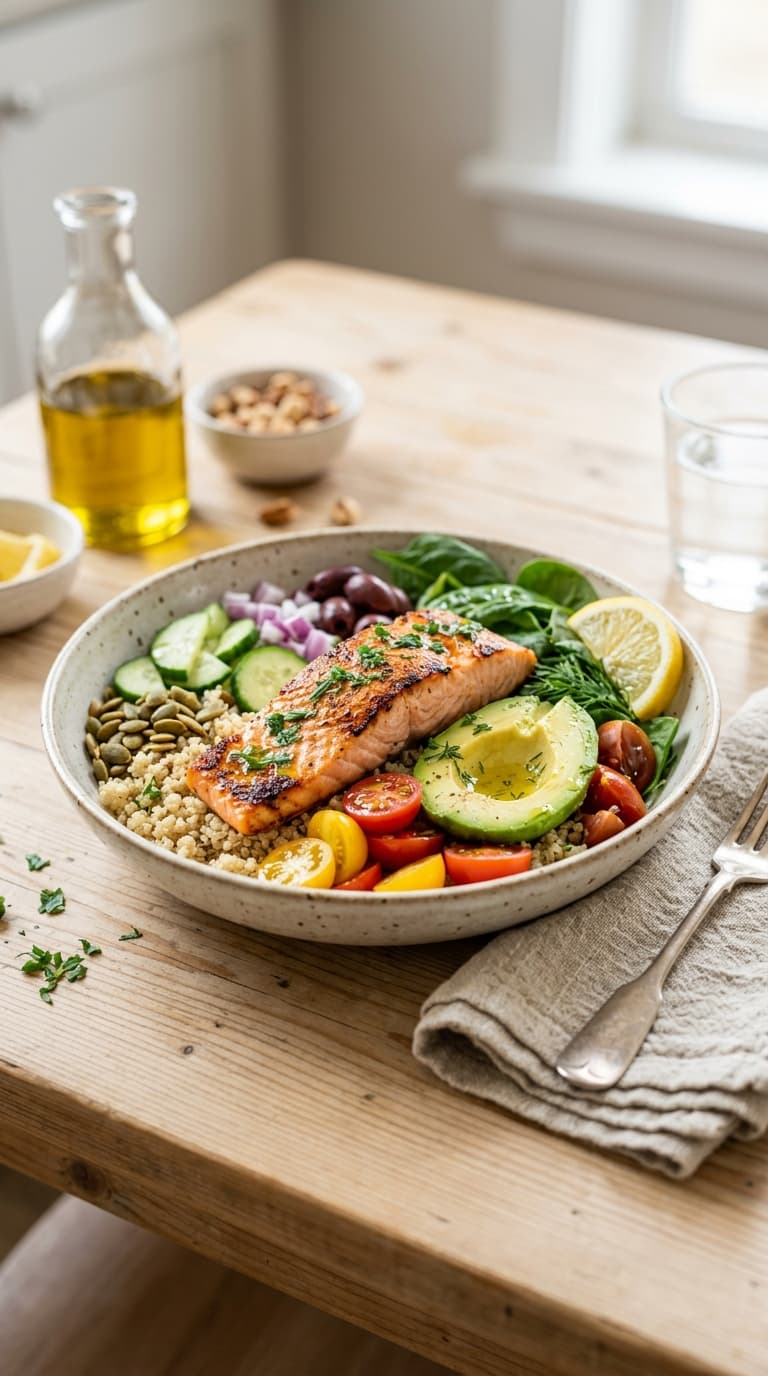
- Dinner: Baked salmon with roasted broccoli and quinoa
- Snack: A small handful of almonds
Day 2
- Breakfast: Overnight oats with chia seeds, walnuts, and raspberries
- Lunch: Lentil soup with a slice of whole grain bread
- Dinner: Grilled chicken with tabbouleh and hummus
- Snack: Sliced cucumber with tzatziki
Day 3
- Breakfast: Scrambled eggs with spinach and cherry tomatoes, cooked in olive oil
- Lunch: Mediterranean prep bowls with roasted red peppers, farro, arugula, and sardines
- Dinner: Shrimp stir-fried in olive oil with garlic, zucchini, and brown rice
- Snack: Apple with almond butter
Day 4
- Breakfast: Smoothie with spinach, frozen berries, flaxseed, and almond milk
- Lunch: Whole grain pita with hummus, roasted veggies, and a soft-boiled egg
- Dinner: Baked cod with a tomato-olive sauce, served with roasted sweet potato
- Snack: Walnuts and a few squares of dark chocolate (70%+ cacao — yes, this counts 🙂
Day 5
- Breakfast: Chia seed pudding made with almond milk, topped with strawberries and pumpkin seeds
- Lunch: Quinoa bowl with cucumber, roasted chickpeas, kalamata olives, and tahini dressing
- Dinner: Lentil and spinach stew with crusty whole grain bread
- Snack: Greek yogurt with a sprinkle of cinnamon
Day 6
- Breakfast: Whole grain toast with avocado, cherry tomatoes, and a poached egg
- Lunch: Large Greek salad with grilled chicken and extra olive oil
- Dinner: Baked mackerel with roasted Brussels sprouts and barley
- Snack: A small bowl of mixed berries
Day 7
- Breakfast: Veggie-packed frittata with zucchini, red onion, and feta
- Lunch: Farro salad with roasted beets, arugula, walnuts, and a lemon-tahini dressing
- Dinner: Grilled salmon with a side of roasted eggplant and chickpea mash
- Snack: Sliced bell peppers with hummus
How to Actually Stick With This Long-Term
Here’s the thing most diet articles won’t tell you: a 7-day plan is only useful if you build habits from it. The Mediterranean diet isn’t meant to be a one-week experiment. It’s a long-term lifestyle shift.
Batch cooking on Sundays makes this dramatically easier. Prep your grains, roast a sheet pan of veggies, and cook a big pot of legumes. Suddenly, putting together balanced meals through the week takes minutes. If you’re just getting started, these easy meal prep bowls for beginners are a genuinely great starting point — no overwhelm, no complicated techniques.
Consistency matters more than perfection. If you eat a slice of birthday cake or have a fast food moment, it doesn’t undo a week of great eating. Just get back on track at the next meal. IMO, the all-or-nothing mindset is what makes most dietary changes fail, not the actual food.
A Few Extra Tips Specifically for PCOS
Beyond the food itself, a few habits can amplify the results you see from eating this way:
- Eat within a consistent window — some women with PCOS benefit from a loose eating schedule (like 8am–7pm) to support insulin regulation
- Don’t skip breakfast — starting the day with protein and fat keeps blood sugar steady from the start
- Move your body regularly — even a 20-minute walk after meals can meaningfully improve insulin sensitivity
- Prioritize sleep — poor sleep worsens cortisol and insulin levels, both of which directly affect PCOS symptoms
- Manage stress actively — chronic stress raises cortisol, which disrupts the whole hormonal cascade
These aren’t revolutionary ideas, but they work. And they work better when combined with the Mediterranean diet.
What to Expect in the First Week
Real talk: you probably won’t feel dramatically different after seven days. Hormonal changes take time — we’re talking weeks to months of consistent eating before you see meaningful shifts in cycle regularity, acne, or energy levels.
What you might notice in the first week:
- Less bloating (especially if you were eating a lot of processed food before)
- More stable energy throughout the day without the afternoon crash
- Better digestion from all the fiber
- Fewer cravings as blood sugar stabilizes
Those early wins are worth celebrating. They’re signs that your body is responding.
Building Your Mediterranean PCOS Grocery List
A well-stocked kitchen makes everything easier. Here’s a simple starting list to pull together before the week begins:
Proteins:
- Wild-caught salmon or sardines
- Eggs
- Chicken breast or thighs
- Lentils, chickpeas, black beans
Grains:
- Quinoa, farro, barley, oats
- Whole grain bread or pita
Produce:
- Spinach, kale, arugula
- Broccoli, zucchini, eggplant, Brussels sprouts
- Tomatoes, cucumbers, bell peppers
- Mixed berries, apples
Pantry:
- Extra virgin olive oil
- Hummus and tahini
- Kalamata olives
- Canned tomatoes
- Ground flaxseed, chia seeds
- Almonds, walnuts, pumpkin seeds
For a more detailed breakdown, this guide on building the perfect Mediterranean grocery list covers everything you need to shop smart and waste nothing.
Final Thoughts
Managing PCOS through food isn’t about punishing yourself or eating joylessly. The Mediterranean diet works because it’s actually delicious and varied. Olive oil, fresh fish, colorful veggies, legumes, nuts — this is food worth eating.
The 7-day plan above gives you a real blueprint to start. But the bigger picture is building a relationship with food that supports your hormones instead of fighting them. That’s not a one-week project. It’s a long game — and honestly, a pretty tasty one.
Start with one week. Notice how you feel. Adjust what doesn’t work for you. And remember that every meal is a fresh chance to nourish your body, not a test you can pass or fail. You’ve got this. :/