Mediterranean Diet Vs Paleo: Pros, Cons & Who Wins
Mediterranean Diet Vs Paleo: Pros, Cons & Who Wins
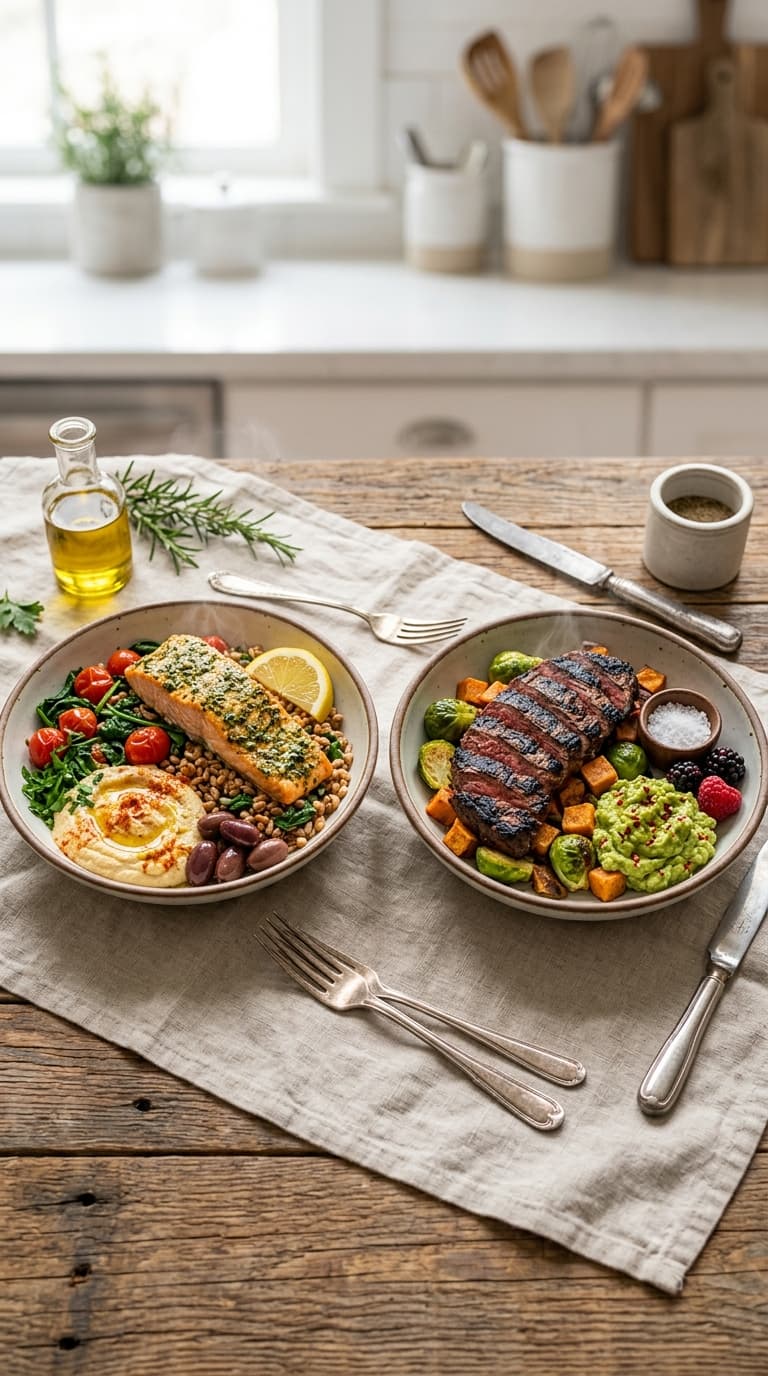
You’ve probably been there — standing in the grocery store, quinoa in one hand, sweet potato in the other, wondering which diet philosophy is actually going to work for you. The Mediterranean diet and the Paleo diet are two of the most talked-about eating styles out there, and honestly, people get passionate about both. Like, weirdly passionate.
So let’s settle this the fun way — no lab coats, no boring charts, just a real breakdown of what these two diets actually look like, how they stack up against each other, and which one might be your best match. Spoiler: there’s no universal winner, but there’s probably a winner for you.
What Even Is the Mediterranean Diet?
Let’s start with the crowd-pleaser. The Mediterranean diet is inspired by the traditional eating habits of countries bordering the Mediterranean Sea — think Greece, Italy, Spain, and Southern France. It’s not a strict rulebook so much as a lifestyle philosophy, which honestly makes it one of the most sustainable approaches around.
Here’s what the Mediterranean diet typically looks like on your plate:
- Lots of vegetables, fruits, legumes, and whole grains
- Healthy fats — especially olive oil (basically liquid gold in this diet)
- Fish and seafood a few times a week
- Moderate amounts of poultry, dairy, and eggs
- Red meat only occasionally
- A glass of red wine with dinner (yes, really — though totally optional)
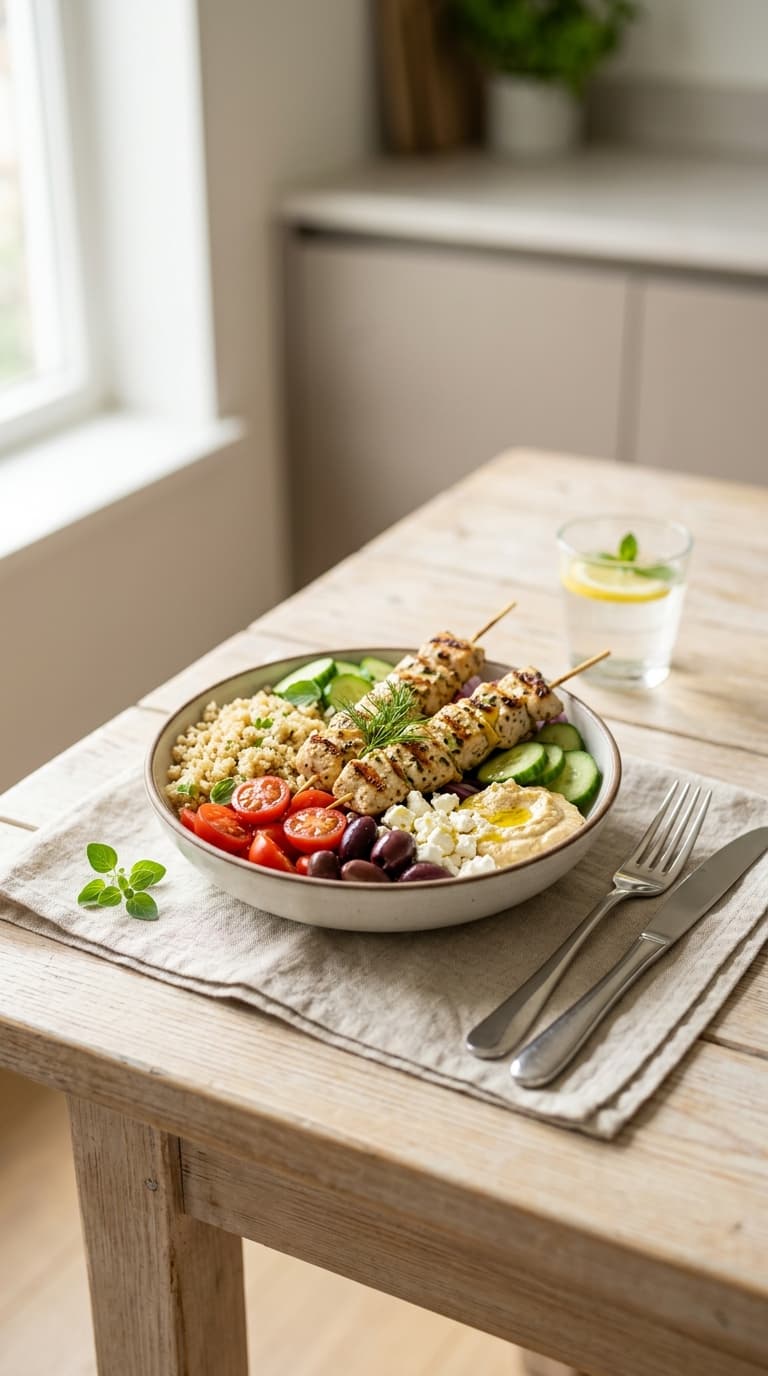
The Mediterranean diet doesn’t ask you to count macros or weigh your chicken. It’s more about shifting your overall pattern of eating toward whole, minimally processed foods with a heavy emphasis on plants and healthy fats. If you’re already prepping quick Mediterranean meal prep bowls for the week, you’re basically already halfway there.
What Is the Paleo Diet, Exactly?
Now for the caveman cousin. The Paleo diet — short for Paleolithic — is built around the idea of eating the way our hunter-gatherer ancestors did, roughly 2.5 million years ago. The logic? Our bodies evolved eating certain foods, and modern agriculture introduced a bunch of stuff (grains, legumes, dairy) that we’re not biologically wired to handle well.
Here’s what Paleo puts on your plate:
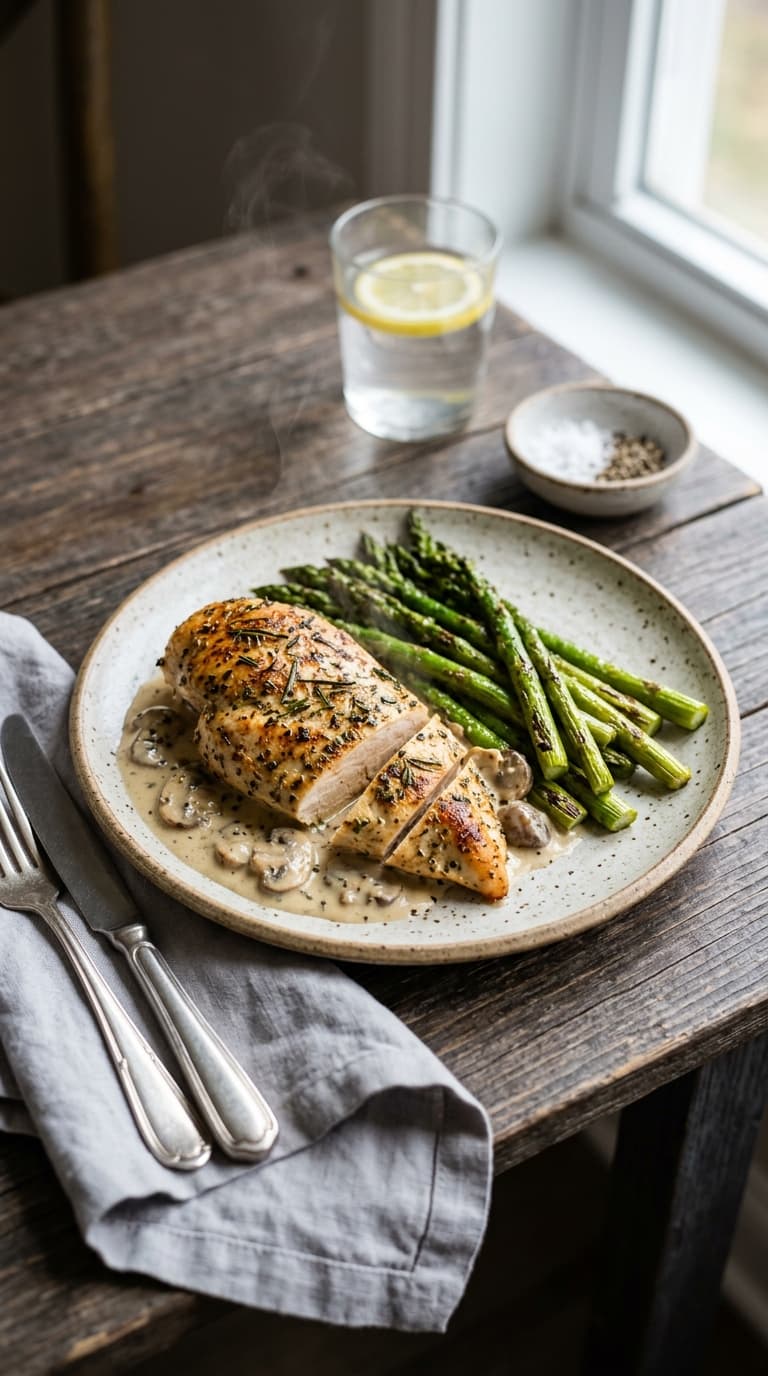
- Lean meats and fish
- Fruits and non-starchy vegetables
- Nuts and seeds
- Eggs
- Natural oils like coconut oil, avocado oil, and olive oil
And here’s what gets the hard no:
- Grains (bread, pasta, rice — yep, all of it)
- Legumes (beans, lentils, peanuts)
- Dairy
- Refined sugar and processed foods
- Salt (some versions of Paleo are strict here too)
Paleo is essentially asking you to eat like a pre-agricultural human — which sounds straightforward until you realize that means no hummus, no Greek yogurt, and no pasta. For some people, that’s freeing. For others, it’s a personal tragedy. :/
Mediterranean Diet: The Pros
Let’s be real — the Mediterranean diet has a lot going for it, and it’s been studied extensively. This isn’t a fad; it’s one of the most researched dietary patterns on the planet.
It’s Backed by a Mountain of Research
Decades of research link the Mediterranean diet to reduced risk of heart disease, stroke, type 2 diabetes, and even cognitive decline. A landmark study called PREDIMED showed that people following a Mediterranean diet had significantly lower rates of major cardiovascular events compared to those on a low-fat diet.
It’s Flexible and Sustainable
Unlike diets that hand you a rigid list of banned foods, the Mediterranean approach gives you a framework. You can still enjoy a slice of good bread, a bowl of lentil soup, or a little cheese. That flexibility makes it far easier to stick with long-term — and long-term consistency is where actual results live.
It’s Budget-Friendly
Beans, lentils, seasonal vegetables, whole grains — these are some of the cheapest ingredients in any grocery store. If you’re looking for affordable meal prep recipes that actually nourish you, the Mediterranean diet is incredibly wallet-friendly.
It Supports Gut Health
The high fiber content from legumes, whole grains, fruits, and vegetables feeds a healthy microbiome. And if you’ve spent any time reading about the gut-brain connection lately, you know that’s a very big deal.
Mediterranean Diet: The Cons
Nothing is perfect, right? Here are some honest downsides.
It’s Not Always Clear-Cut
Because the Mediterranean diet is more of a pattern than a prescription, beginners sometimes find it frustrating. What counts as “moderate” dairy? How much olive oil is too much? Without clearer structure, it’s easy to think you’re eating Mediterranean when you’re really just eating Italian-ish with extra cheese.
Weight Loss Isn’t Guaranteed
The Mediterranean diet prioritizes health over rapid fat loss. If you’re specifically chasing quick weight loss, this diet won’t necessarily accelerate that. It works beautifully for sustainable weight loss meal prep over time, but impatient folks might not see the dramatic early results some other diets promise.
Seafood Can Get Expensive
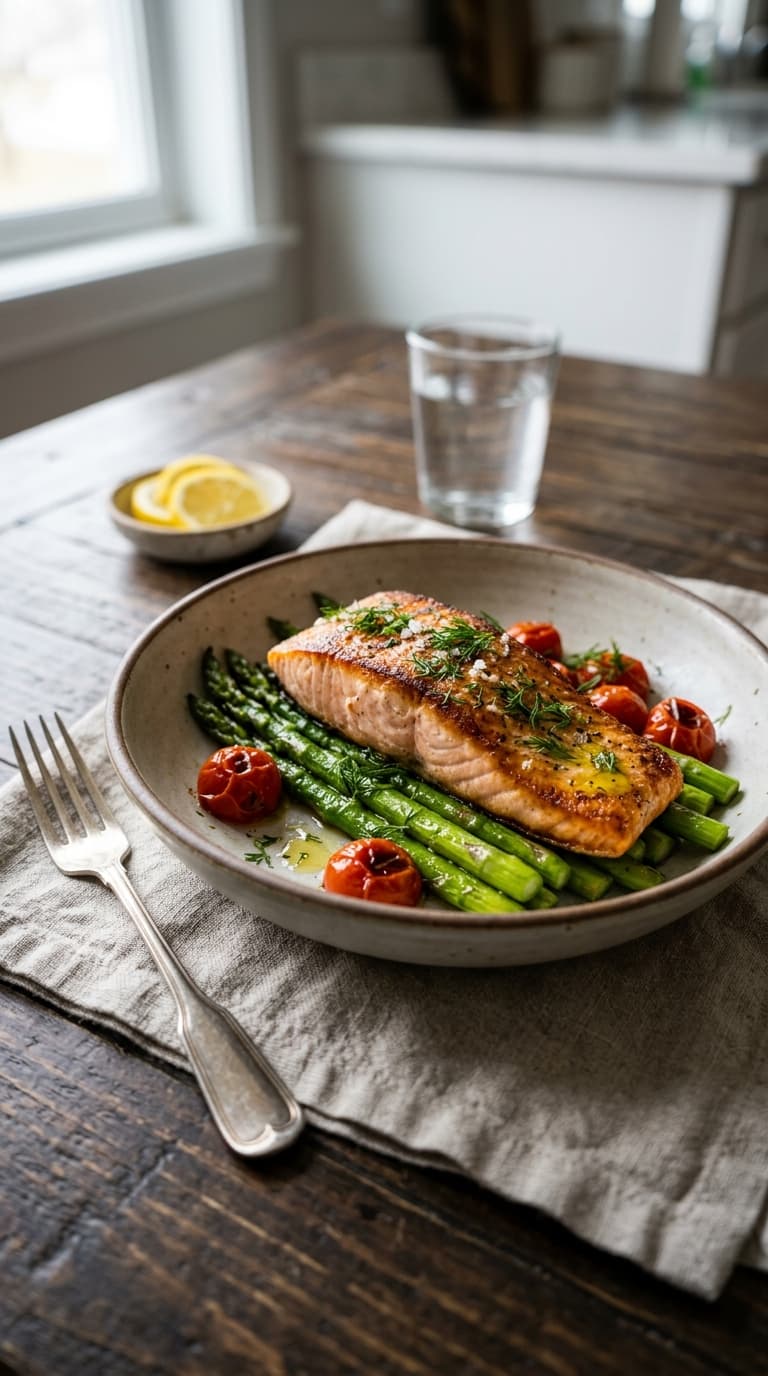
If you’re in a landlocked area or on a tight budget, eating fish two to three times a week adds up fast. Fresh wild-caught salmon isn’t exactly pocket change.
Paleo Diet: The Pros
Don’t count Paleo out just yet — it brings some real benefits to the table (pun fully intended).
It Eliminates Processed Junk
This is the big one. By removing processed foods, refined sugars, grains, and dairy wholesale, Paleo automatically cleans up most people’s diets dramatically. You can’t accidentally eat a bag of chips on Paleo because chips are off the menu, full stop. That kind of structural elimination works really well for people who struggle with moderation.
It’s High in Protein
Paleo naturally skews toward high protein intake, which supports muscle building, satiety, and metabolic rate. If you’re lifting weights or trying to build lean muscle, the high-protein bowls that align with Paleo principles are genuinely effective fuel.
It Can Reduce Inflammation
For people with autoimmune conditions, gluten sensitivities, or digestive issues, removing grains and dairy often leads to noticeable improvements. Many Paleo followers report reduced bloating, clearer skin, and better energy levels within just a few weeks. That’s not nothing.
Blood Sugar Stability
By cutting out refined carbs and sugar, Paleo can help stabilize blood sugar levels. This is particularly meaningful for people managing or trying to prevent type 2 diabetes — though it’s worth talking to a doctor before making major dietary shifts.
Paleo Diet: The Cons
Okay, FYI — Paleo has some real challenges you should know going in.
It’s Restrictive (Like, Really Restrictive)
No legumes. No grains. No dairy. No processed foods. If you’re used to a varied, grain-forward diet, Paleo can feel genuinely limiting — especially socially. Going out for dinner with friends becomes an exercise in strategic menu-reading.
The Science Is… Debatable
The core premise — that our bodies are genetically unchanged since the Paleolithic era and therefore thrive on ancient foods — is contested by many nutrition scientists and anthropologists. Our ancestors actually had hugely varied diets depending on geography. And legumes? Archaeological evidence suggests humans have eaten them for a very long time. Just saying.
It Can Get Expensive
Quality grass-fed beef, free-range eggs, and wild-caught fish are pricier than a bag of lentils. If you’re on a budget, strict Paleo can strain your wallet in ways the Mediterranean diet doesn’t.
It Cuts Some Genuinely Healthy Foods
Legumes and whole grains have strong research backing their health benefits. Eliminating them isn’t just inconvenient — it means potentially missing out on fiber, plant-based protein, and key micronutrients. Throwing beans in the trash because a caveman didn’t eat them feels a little drastic when black beans are genuinely one of the healthiest foods on Earth. 🙂
Head-to-Head: How Do They Actually Compare?
Let’s put them side by side on the things that matter most.
Heart Health
Winner: Mediterranean diet. The research here is simply more robust and longer-term. The emphasis on olive oil, omega-3s from fish, and fiber from legumes and whole grains creates a consistently heart-protective eating pattern.
Weight Loss
It’s a draw, honestly. Both diets eliminate processed foods and refined sugar, which are the main dietary drivers of weight gain. Paleo may produce faster initial results due to water weight loss from cutting carbs, but Mediterranean supports healthier long-term weight management.
Muscle Building and Athletic Performance
Winner: Paleo (slightly). The higher protein intake and carb-reduction angle can work well for certain fitness goals, though it depends heavily on your sport and training style. If you’re building strength-friendly meal prep into your routine, both diets can support you with the right adjustments.
Gut Health
Winner: Mediterranean diet. The fiber diversity from legumes, whole grains, fruits, and vegetables feeds a much broader range of beneficial gut bacteria compared to a grain-free, legume-free Paleo approach.
Sustainability and Ease of Following
Winner: Mediterranean diet. This one isn’t close. The flexibility and inclusivity of the Mediterranean approach make it dramatically easier to maintain as an actual lifestyle rather than a short-term experiment.
Inflammation Reduction
Roughly tied, with different mechanisms. Mediterranean wins for most people due to olive oil and omega-3s. But for those with specific food sensitivities to gluten or dairy, Paleo’s elimination approach can provide relief the Mediterranean diet doesn’t.
Who Should Choose the Mediterranean Diet?
You’re probably a good fit for the Mediterranean diet if you:
- Want a sustainable, long-term approach to healthy eating without obsessing over food rules
- Enjoy cooking a variety of foods and don’t want to feel restricted
- Care about heart health, longevity, and cognitive function
- Are budget-conscious and want to eat well without spending a fortune
- Like the idea of enjoying beautiful, balanced meal prep bowls throughout the week
Who Should Choose Paleo?
Paleo might be your better match if you:
- Struggle with processed food cravings and need a clear, no-ambiguity framework
- Have diagnosed gluten sensitivity, celiac disease, or dairy intolerance
- Are dealing with an autoimmune condition and want to try an elimination-style approach
- Prioritize high protein intake and eat a lot of animal-based foods already
- Are comfortable with higher grocery bills for quality meat and produce
Can You Combine Them?
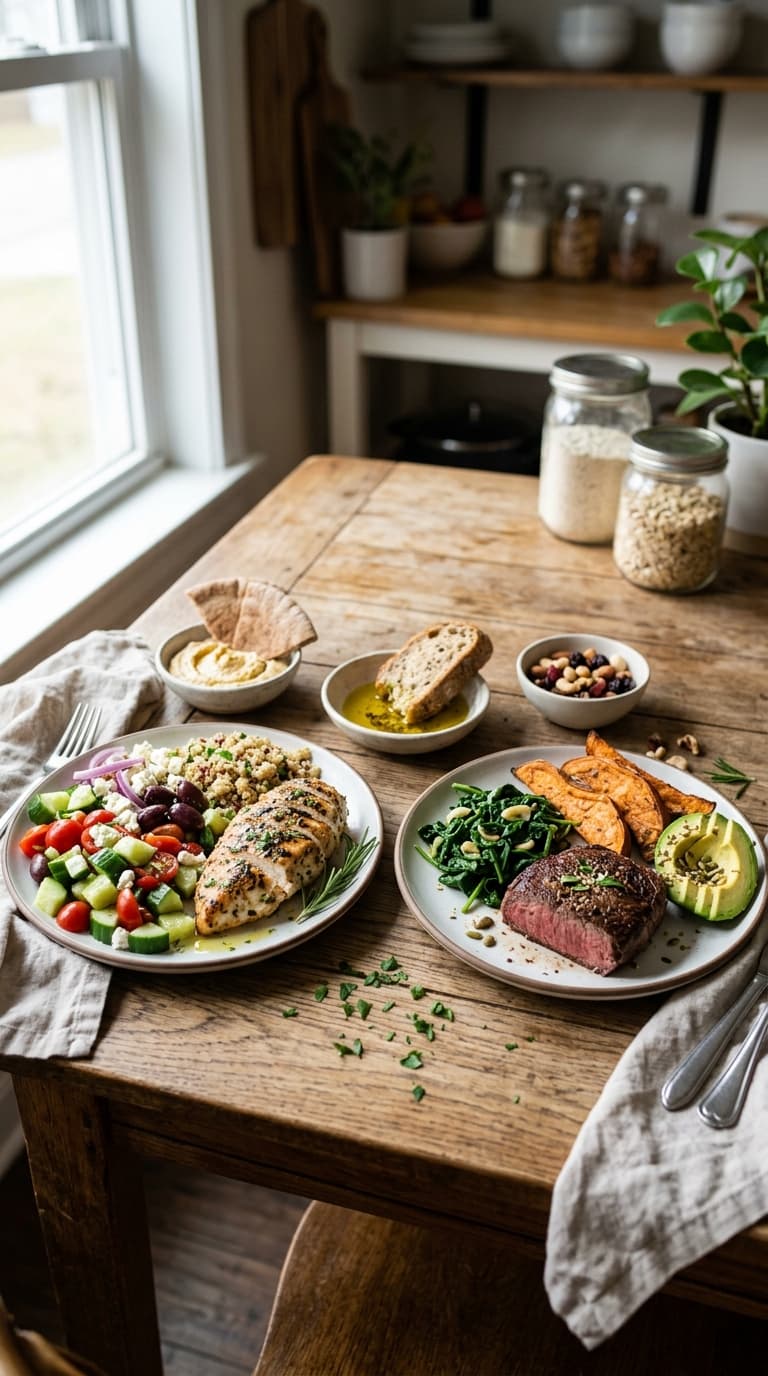
Here’s a hot take: you don’t have to pick just one. IMO, the best approach for most people is something like a Mediterranean-Paleo hybrid — keeping the Mediterranean emphasis on vegetables, healthy fats, and fish while borrowing Paleo’s strict stance on eliminating processed foods and refined sugar.
Think olive oil as your primary fat, loads of vegetables, quality proteins, and the occasional sweet potato — but without the rigid no-legumes-ever rule. You get the science-backed benefits of Mediterranean eating with the clean structure of Paleo thinking. Want to start planning that out? A good 7-day balanced bowl meal prep plan can help you build the habit without the overwhelm.
The Verdict: Who Wins?
If I had to crown one for overall health, sustainability, and evidence quality — the Mediterranean diet wins. It’s backed by decades of rigorous research, it’s flexible enough to actually live with, it supports gut health and heart health simultaneously, and it doesn’t require you to mourn the loss of chickpeas.
But Paleo has a real place, especially for people who need structure, have specific food sensitivities, or want to aggressively cut processed food from their lives in a way that a flexible framework doesn’t enforce.
The real answer? The best diet is the one you’ll actually stick to. Pick the framework that fits your lifestyle, your budget, and your food preferences — then nail your execution. Whether that means prepping clean Mediterranean lunch boxes every Sunday or building Paleo-friendly bowls for the week, consistency beats perfection every single time.
Now go eat something good. You’ve earned it.