DASH Diet Food List: What To Eat & What To Limit
DASH Diet Food List: What To Eat & What To Limit
Let’s be real — most “healthy eating plans” feel like someone handed you a list of foods you already hate and said “good luck.” The DASH diet is actually different. It stands for Dietary Approaches to Stop Hypertension, and while that name sounds like something your doctor mutters before sighing deeply, the eating pattern itself is genuinely approachable. I started paying attention to it after my own blood pressure crept into the “we need to talk” zone, and honestly? The food list surprised me in the best way.
What Is the DASH Diet, Really?
The DASH diet isn’t a crash diet or a weird elimination plan. It’s a long-term eating approach designed to lower blood pressure, reduce inflammation, and support heart health — without making you miserable.
The core idea is straightforward: load up on nutrient-dense whole foods, cut back on sodium and processed junk, and let your body do the rest. No calorie-counting obsession required (though portions still matter, FYI).
Think of it less as a “diet” and more as a framework for eating smarter. The DASH approach aligns closely with Mediterranean-style eating — lots of plants, lean proteins, and healthy fats doing the heavy lifting.
The DASH Diet Food List: What To Eat
Here’s where things get good. The DASH diet is surprisingly generous with what it allows. Let’s break it down by food group.
Fruits
Fresh fruit is basically a free pass on the DASH diet. Fruits are packed with potassium, magnesium, and fiber — all nutrients that actively help lower blood pressure.
Great DASH-friendly fruit choices include:
- Bananas
- Berries (strawberries, blueberries, raspberries)
- Oranges and other citrus
- Apples
- Mangoes
- Melons
Aim for 4–5 servings per day. One medium apple or half a cup of fresh berries counts as a serving. Easy win.
Vegetables
Vegetables are the backbone of the DASH diet, and honestly, this is where the magic happens. Leafy greens, cruciferous vegetables, and colorful produce all deliver the minerals your blood vessels desperately want.
Top DASH vegetables to keep in rotation:
- Spinach and kale
- Broccoli and Brussels sprouts
- Carrots
- Sweet potatoes
- Bell peppers
- Tomatoes
- Peas
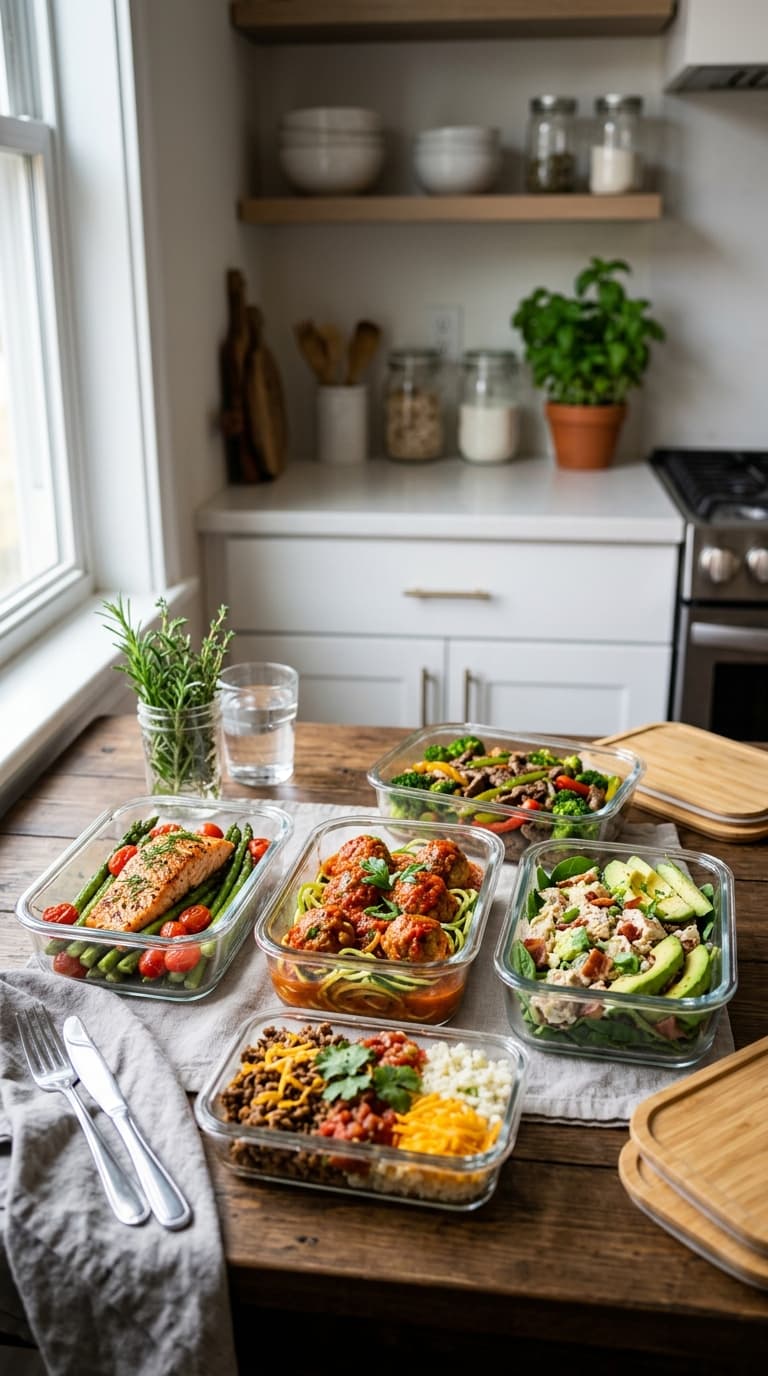
Target 4–5 servings daily. If batch-prepping vegetables feels overwhelming, these beginner-friendly meal prep bowl ideas make hitting that goal way less stressful.
Whole Grains
Refined carbs are where most people go wrong. The DASH diet swaps them out for whole grains that deliver fiber and sustained energy without spiking your blood pressure through the roof.
Go-to DASH whole grains:
- Brown rice
- Quinoa
- Oats
- Whole wheat bread and pasta
- Barley
- Farro
You’re looking at 6–8 servings per day, which sounds like a lot until you realize a single slice of whole wheat bread counts as one serving. Suddenly it’s very manageable.
Lean Proteins
The DASH diet loves lean protein. Fish, poultry, legumes, and plant proteins all fit beautifully within the framework. Red meat isn’t banned, but it’s definitely playing a smaller supporting role here.
Best DASH-approved protein sources:
- Skinless chicken or turkey
- Fish — especially fatty fish like salmon, mackerel, and sardines
- Legumes: lentils, chickpeas, black beans, kidney beans
- Tofu and tempeh
- Eggs (in moderation)
Aim for 6 or fewer servings per day. Three ounces of cooked fish or poultry is one serving. If you want structured ideas for hitting your protein goals without overthinking it, these high-protein meal prep bowls are genuinely solid.
Low-Fat Dairy
Dairy on a heart-health diet? Yes — as long as you’re choosing low-fat or fat-free options that deliver calcium and vitamin D without excess saturated fat.
DASH-friendly dairy picks:
- Skim or 1% milk
- Low-fat yogurt (Greek yogurt is fantastic here)
- Low-fat cheese — in smaller amounts
- Cottage cheese
2–3 servings per day is the sweet spot. One cup of milk or yogurt counts as one serving.
Nuts, Seeds & Legumes
These little powerhouses deserve their own section. Nuts and seeds provide healthy fats, magnesium, and potassium — a trifecta of blood pressure support. Plus they keep you full, which is always appreciated 🙂
DASH-approved options:
- Almonds
- Walnuts
- Sunflower seeds
- Flaxseeds
- Chia seeds
- Peanuts and natural peanut butter
- Lentils, chickpeas, and other legumes
Target 4–5 servings per week (not per day — these are calorie-dense, so a little goes a long way). One ounce of nuts or a quarter cup of cooked legumes is one serving.
Healthy Fats & Oils
Fat is not the enemy here. The DASH diet focuses on unsaturated fats while keeping saturated and trans fats low.
Best fat sources for DASH:
- Olive oil
- Avocado and avocado oil
- Canola oil
Limit butter, coconut oil, and full-fat dressings. 2–3 servings of healthy fats per day keeps the framework balanced without going overboard.
Building DASH-Friendly Meals Without Losing Your Mind
One of the biggest challenges with any eating plan is translating a food list into actual meals you’ll want to eat. The good news? The DASH diet works brilliantly with meal prepping.
If you spend one afternoon a week pulling things together, you can keep yourself on track without stressing every single day. Think grains cooked in bulk, roasted vegetables ready to go, and proteins prepped ahead of time. These balanced meal prep bowls with protein, carbs, and veggies hit almost every DASH food group in one container.
For anyone juggling a busy schedule, low-calorie meal prep ideas that actually keep you full are a great companion resource for staying in line with DASH principles without feeling deprived.
What To Limit on the DASH Diet
Now for the less fun part — but honestly, it’s not as brutal as you’d expect. The DASH diet asks you to limit, not necessarily eliminate, most of these foods.
Sodium
This is the big one. Sodium is the primary target of the DASH diet, and for good reason. High sodium intake directly raises blood pressure in most people.
The standard DASH goal is no more than 2,300 mg of sodium per day. The lower DASH version targets 1,500 mg per day for those with high blood pressure or kidney concerns.
To put that in perspective: a single fast food burger can clock in at 1,000–1,500 mg alone. So yeah, cooking at home matters a lot here.
Watch out for hidden sodium in:
- Canned soups and vegetables (always look for low-sodium versions)
- Deli meats and processed cheeses
- Condiments like soy sauce, ketchup, and salad dressings
- Packaged snacks and crackers
- Frozen meals
Red Meat
Red meat isn’t completely off the table, but the DASH diet recommends keeping it to just a few servings per week rather than making it a daily staple. Processed meats like bacon, sausage, and hot dogs are the bigger concern — these are high in sodium AND saturated fat, which is a double hit your cardiovascular system doesn’t need.
Saturated & Trans Fats
Saturated fats raise LDL cholesterol, which adds another layer of cardiovascular risk on top of blood pressure issues. Trans fats — found in many processed and fried foods — are even worse.
Limit or avoid:
- Butter and full-fat dairy
- Palm oil and coconut oil (IMO these are overrated health foods anyway)
- Fried foods
- Commercially baked goods like cookies, cakes, and pastries
Added Sugars & Sweets
The DASH diet allows 5 or fewer servings of sweets per week. That’s not zero, which I personally find very reasonable. But added sugar drives inflammation and often comes packaged with sodium in processed foods.
Cut back on:
- Sugary drinks — sodas, sweetened teas, energy drinks
- Candy and desserts
- Flavored yogurts with high sugar content
- Packaged cereals loaded with sugar
Alcohol
Alcohol raises blood pressure and adds empty calories. The DASH diet recommends limiting alcohol to one drink per day for women and two for men if you choose to drink at all.
A Quick Sample Day of DASH Eating
Want to see what this actually looks like in practice? Here’s a simple day on the DASH diet:
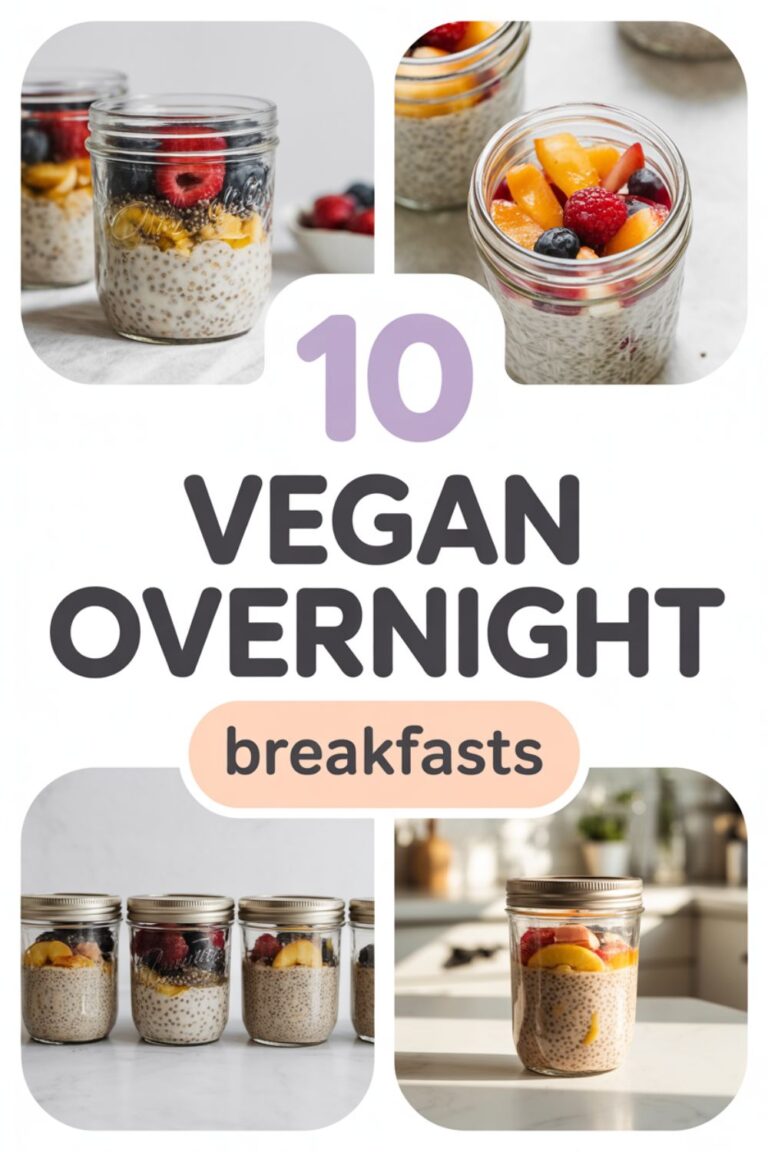
Breakfast: Greek yogurt with mixed berries and a drizzle of honey, plus a slice of whole wheat toast. These protein-packed breakfast jars follow the exact same logic if you need grab-and-go options.
Lunch: Big salad with spinach, chickpeas, cucumber, cherry tomatoes, roasted sweet potato, and olive oil lemon dressing. If you prep this ahead of time, lunch bowls you can take to work give you a week’s worth of variety.
Snack: A small handful of almonds and a banana.
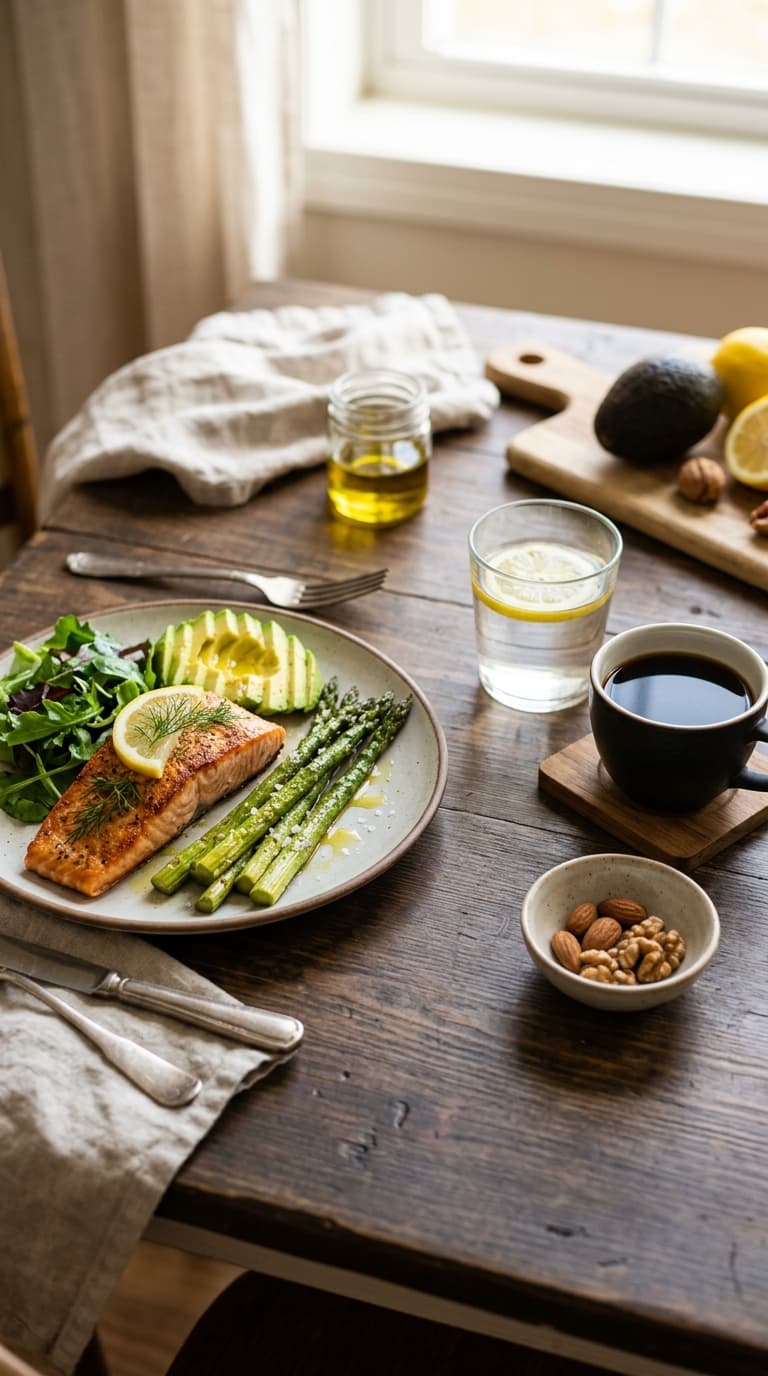
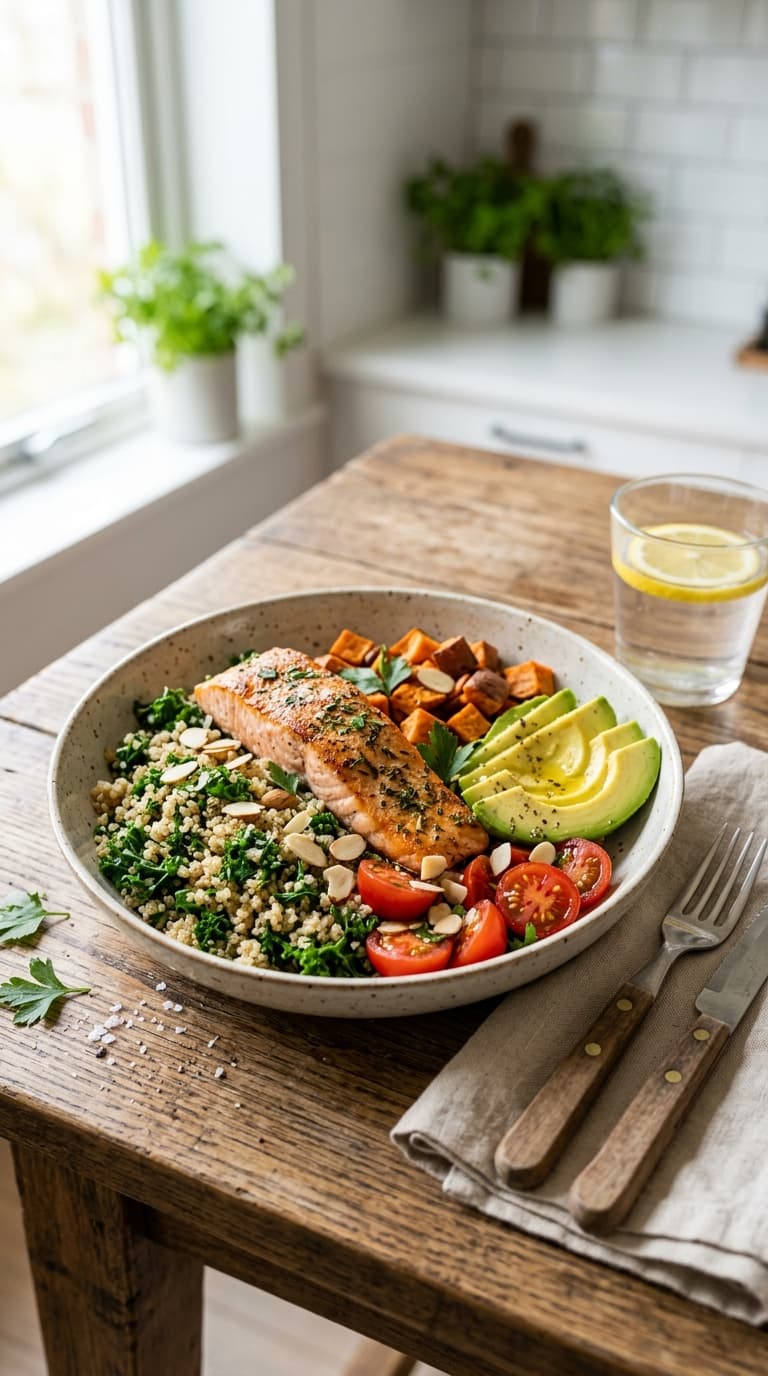
Dinner: Baked salmon with a side of quinoa and roasted broccoli. Simple, satisfying, and completely DASH-compliant.
Dessert: A small square of dark chocolate :/ — yes, that’s permitted, and yes, I will not be apologizing for it.
DASH Diet vs. Mediterranean Diet: Are They That Different?
People ask this constantly, and honestly, the two plans overlap more than they differ. Both emphasize vegetables, whole grains, lean proteins, and healthy fats. The main distinction is that DASH has a specific, measurable sodium target and places greater emphasis on low-fat dairy.
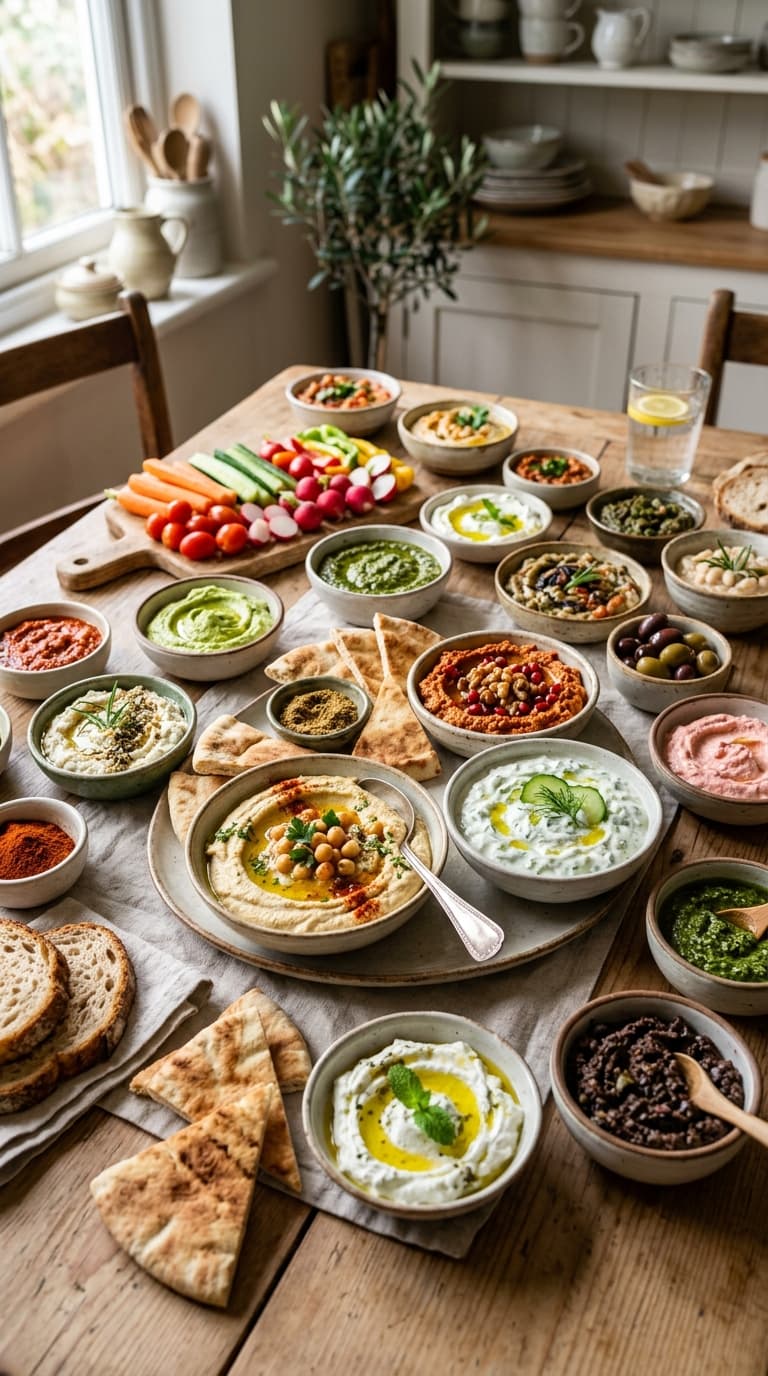
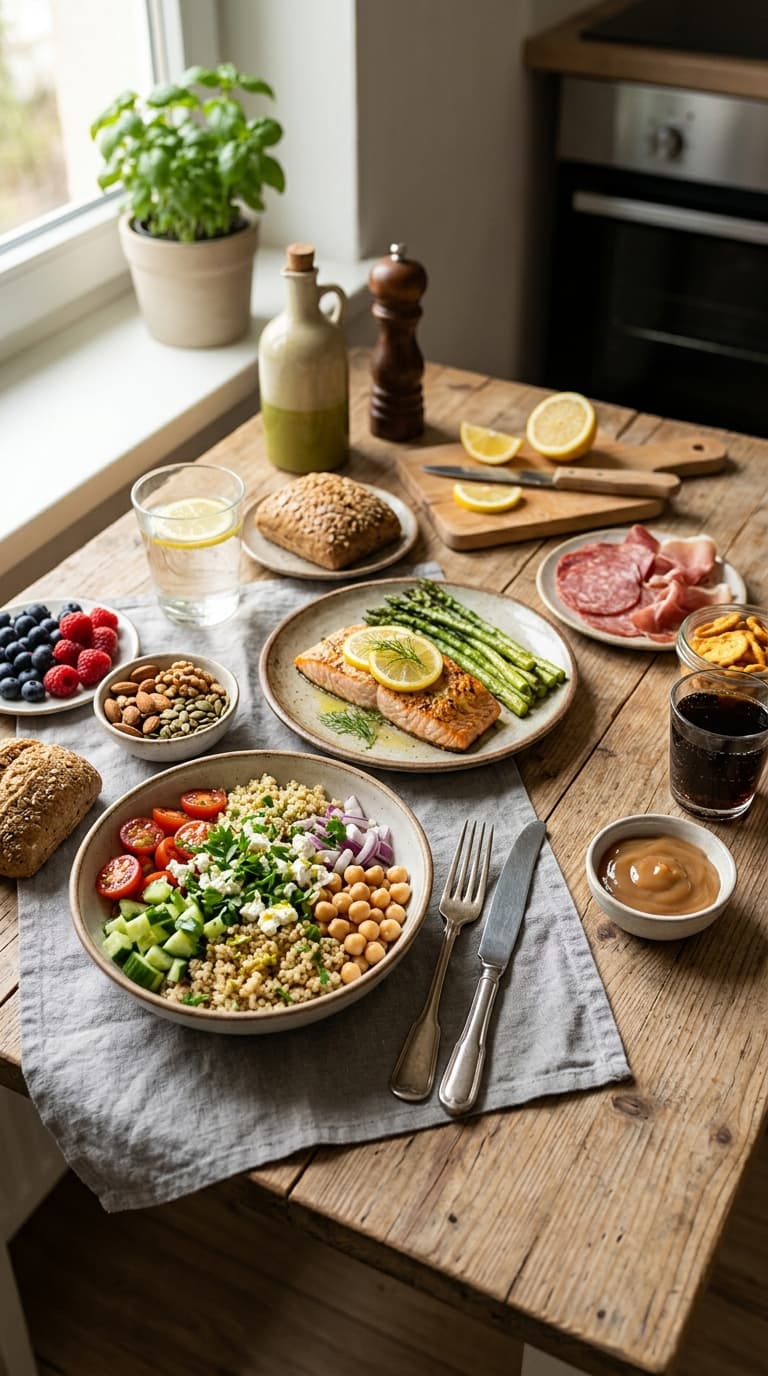
If you already eat a Mediterranean-style diet, transitioning to DASH is mostly about dialing down your sodium intake. You can even build a Mediterranean grocery list that works double duty for DASH principles with very few adjustments.
Tips for Actually Sticking With the DASH Diet
Knowing the food list is one thing. Following through is another. Here are a few things that genuinely help:
- Cook in batches. Spending two hours on Sunday prepping grains, proteins, and vegetables makes the rest of the week feel effortless. A 5-day meal prep bowl plan built around DASH principles covers everything.
- Read labels obsessively. Sodium hides everywhere. Make a habit of checking the nutrition label before anything goes into your cart.
- Season with herbs and spices instead of salt. Garlic, cumin, smoked paprika, lemon zest, fresh herbs — these make food taste incredible without adding a milligram of sodium.
- Swap gradually. You don’t have to go from 3,500 mg sodium to 1,500 mg overnight. Reduce bit by bit and your palate will adjust faster than you think.
- Keep healthy snacks visible. If nuts, fruit, and low-fat yogurt are the first things you see when you open the fridge, you’ll grab them. If the chips are front and center — well, you already know how that goes.
The Bottom Line
The DASH diet food list isn’t a punishment — it’s actually a pretty generous framework that gives you a ton of variety while steering you toward foods that genuinely support your health. Vegetables, fruits, whole grains, lean proteins, low-fat dairy, and healthy fats are your core players. Sodium, processed meats, saturated fats, and added sugar are the ones you want to sideline.
What makes DASH sustainable is that it doesn’t demand perfection. It asks you to make better choices most of the time, and that’s something most of us can actually manage. Whether you’re dealing with high blood pressure, trying to eat cleaner, or just tired of feeling sluggish — this eating pattern is worth taking seriously.
Start simple. Pick two or three DASH swaps this week. Cook more at home. Prep ahead when you can. Your heart will genuinely thank you for it.