Mediterranean Diet For Beginners: 10 Rules To Follow
Mediterranean Diet For Beginners: 10 Rules To Follow
Let’s be honest — most “healthy eating” advice out there sounds like a punishment. Cut this, avoid that, eat cardboard for breakfast. The Mediterranean diet? Completely different story. It’s the one eating style that actually feels like a celebration rather than a sentence. Think olive oil, fresh herbs, colorful veggies, good wine (yes, really), and meals that taste like someone’s nonna made them with love. I’ve been eating this way for a while now, and I’m genuinely never going back.
Whether you’re trying to lose weight, feel more energized, or just stop eating sad desk lunches every day, this guide breaks down the 10 core rules of the Mediterranean diet in a way that won’t make your eyes glaze over. Let’s get into it.
Rule 1: Make Olive Oil Your Best Friend
Forget everything diet culture told you about fat being the enemy. Extra virgin olive oil (EVOO) is the cornerstone of the Mediterranean diet, and you’re going to use it generously. Drizzle it on salads, roast your veggies in it, dip your bread in it — live your best life.
EVOO is loaded with monounsaturated fats and polyphenols, which support heart health and reduce inflammation. The key is quality. Look for cold-pressed, extra virgin varieties with a harvest date on the label. Your body will thank you.
IMO, switching from processed vegetable oils to a good olive oil is one of the single biggest upgrades you can make in your kitchen. It changes the flavor of everything — in the best way possible.
Rule 2: Eat Plants Like It’s Your Job
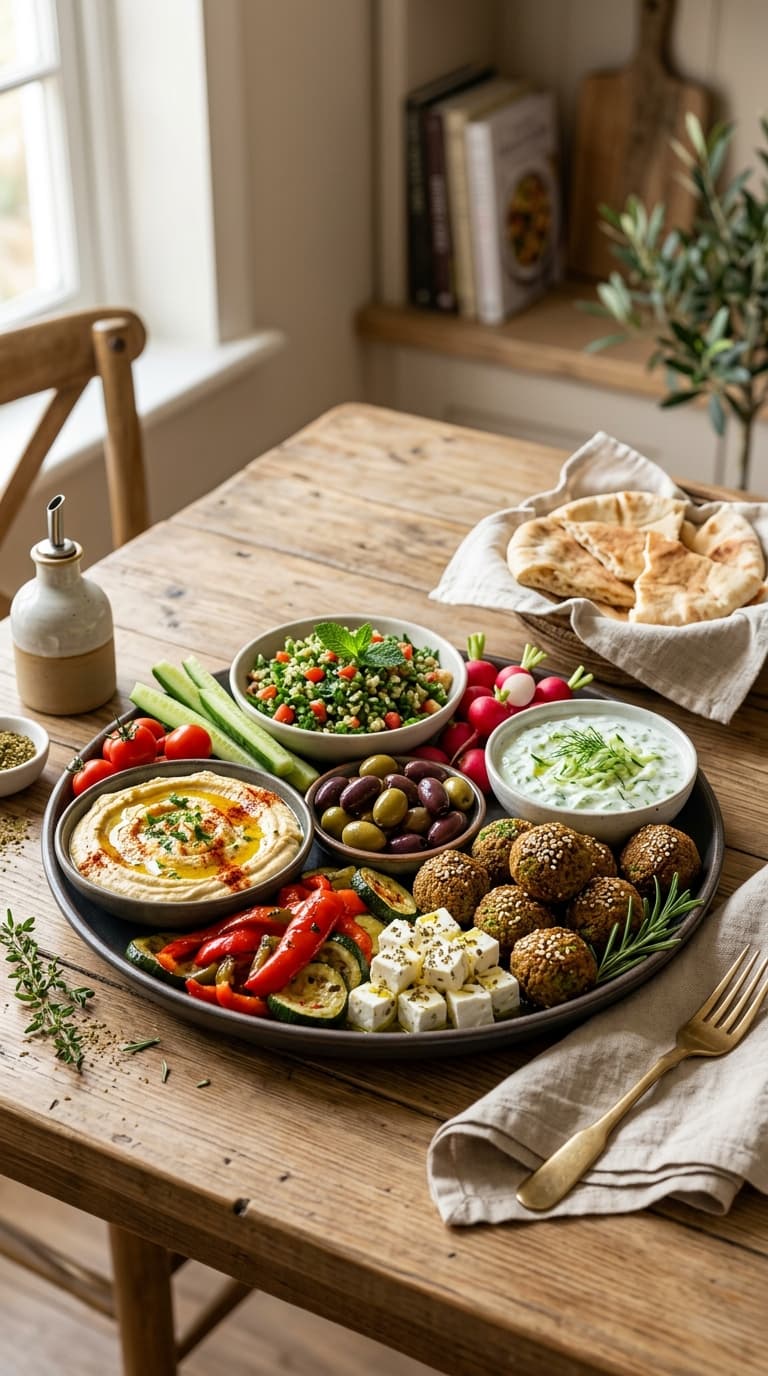
The Mediterranean diet puts plants at the center of every single meal. We’re talking vegetables, legumes, fruits, nuts, seeds, and whole grains — not as sad side dishes, but as the actual stars of the plate.
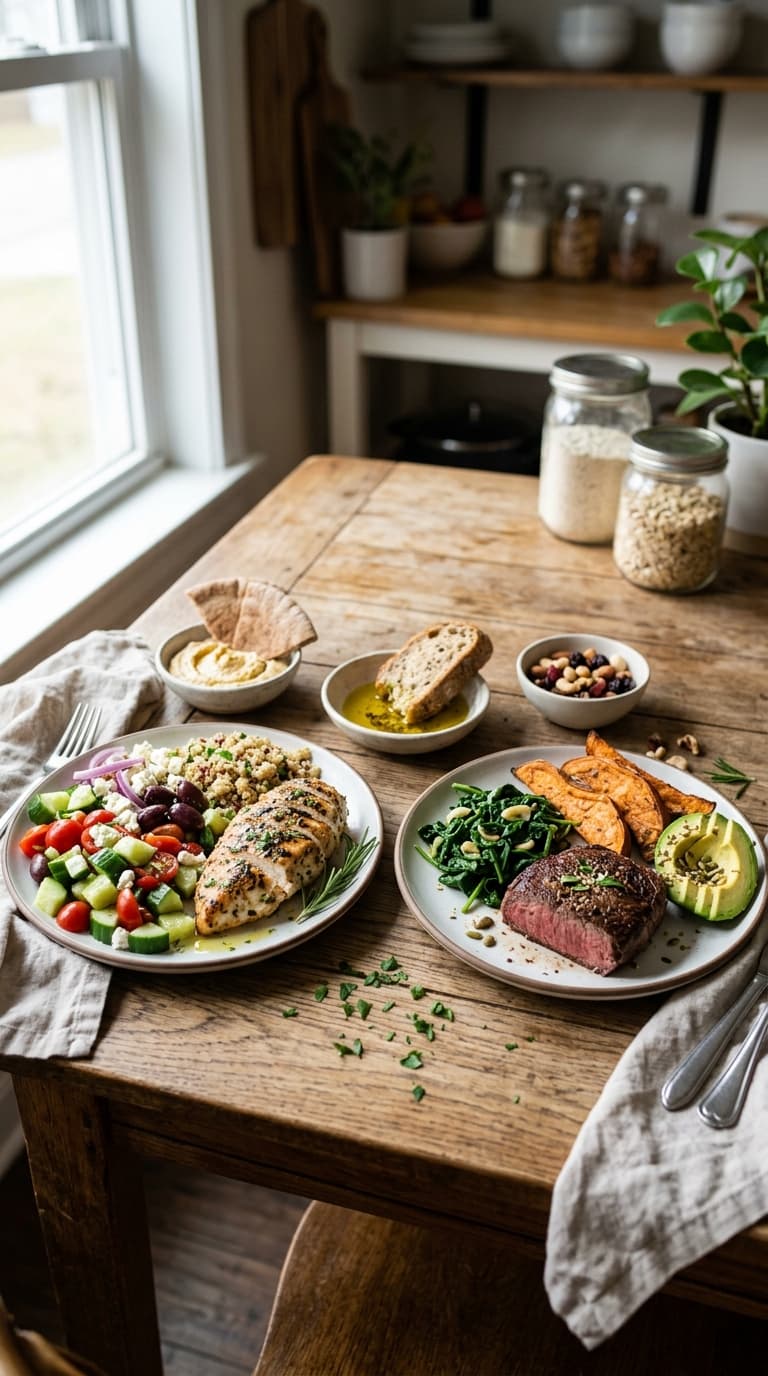
A typical Mediterranean plate might look like:
- Roasted zucchini and eggplant with herbed quinoa
- A big Greek salad with chickpeas and feta
- Lentil soup with crusty whole grain bread
- Fresh fruit as dessert (wild, right?)
If you want to make this sustainable week after week, meal prepping is your secret weapon. These quick Mediterranean meal prep ideas for busy weeks will help you stay consistent without losing your mind on a Tuesday night.
Rule 3: Protein Comes From the Sea (and the Garden)
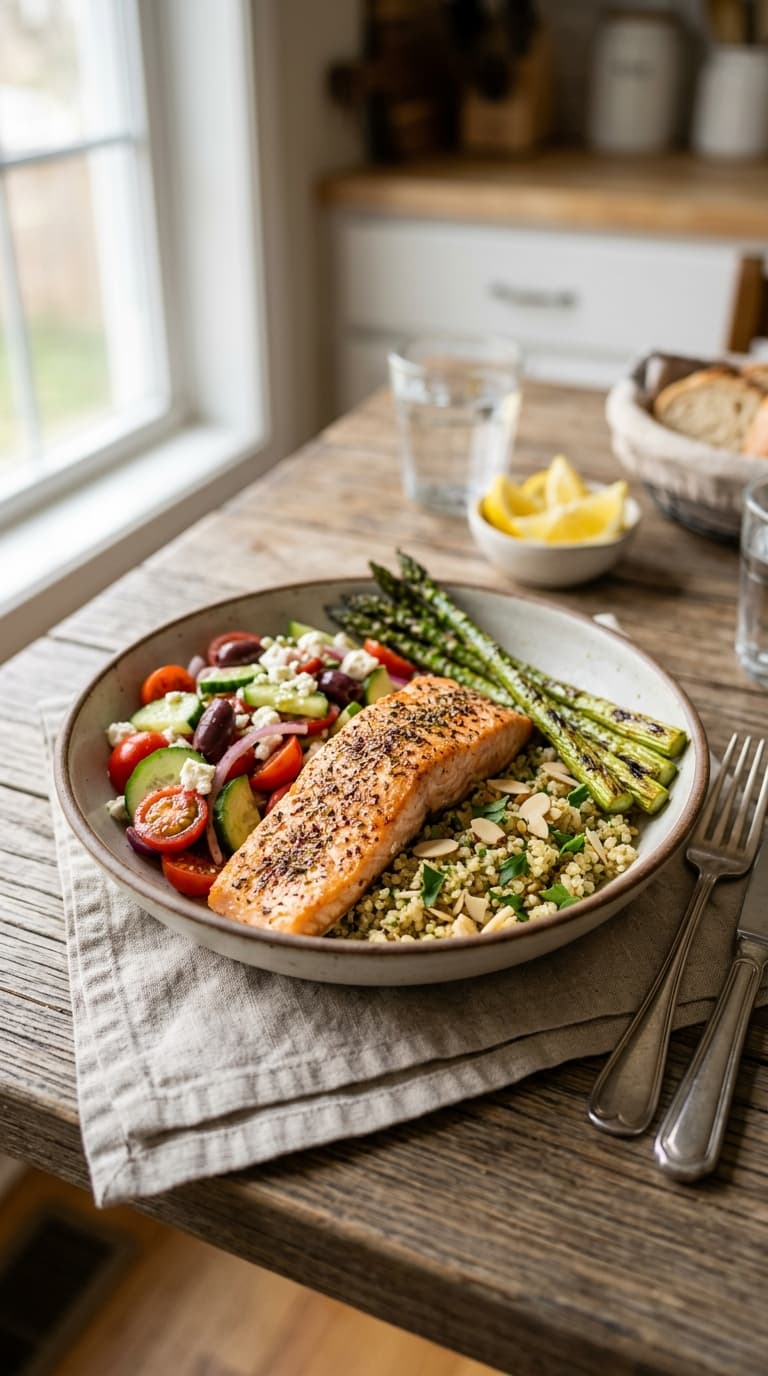
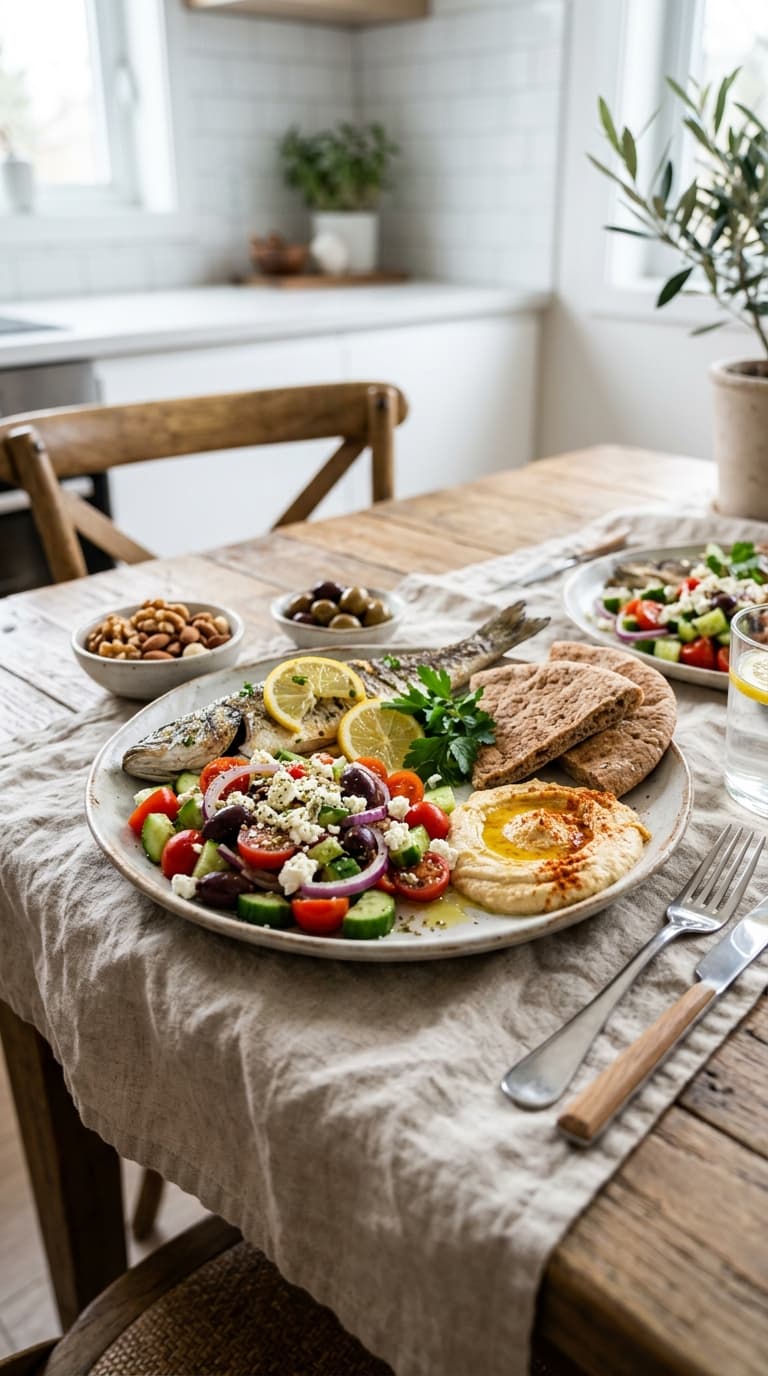
Here’s where the Mediterranean approach gets interesting. Fish and seafood take the top spot for animal protein, eaten at least two to three times a week. Salmon, sardines, mackerel, tuna — all the good stuff. These are rich in omega-3 fatty acids, which support brain health, heart health, and reduce inflammation.
Red meat? It shows up occasionally, not daily. Think of it as a guest star, not the main character.
Plant-based proteins like chickpeas, lentils, white beans, and fava beans fill the gaps beautifully. They’re cheap, filling, and incredibly versatile. If you want to build meals around them, these 25 high-protein meal prep recipes to stay full all day are a great starting point.
Rule 4: Whole Grains Only — And Yes, You Can Still Eat Bread
Good news: bread is not the enemy on the Mediterranean diet. Bad news (kind of): the white, fluffy, processed stuff doesn’t really count. The focus here is on whole, unrefined grains — think farro, bulgur, barley, whole wheat pita, and brown rice.
These grains digest slowly, keep your blood sugar stable, and keep you fuller for longer. Compare that to white bread, which spikes your blood sugar and leaves you hungry an hour later. Not exactly a fair trade. :/
Start simple. Swap white rice for farro in your grain bowls. Use whole wheat pita instead of white. Small switches, big impact over time.
Rule 5: Dairy — Yes, But Think Mediterranean Style
You don’t cut dairy on this plan, but you do rethink how you use it. The Mediterranean diet favors:
- Greek yogurt (full-fat, plain — not the sugary dessert kind)
- Feta cheese crumbled over salads or roasted veggies
- Parmesan used sparingly as a flavor booster
- Fresh cheeses like ricotta or goat cheese in smaller amounts
Dairy plays a supporting role here, not the lead. A generous crumble of feta over a grain bowl? Perfect. A bowl of shredded mozzarella as a snack? Not quite the vibe.
Greek yogurt, in particular, is a Mediterranean staple worth building habits around. It’s high in protein, gut-friendly, and genuinely delicious with a drizzle of honey and some walnuts on top.
Rule 6: Herbs and Spices Over Salt
This rule surprises people, but it’s one of the reasons Mediterranean food tastes so incredibly good. Herbs and spices do the heavy lifting so you don’t need to rely on salt for flavor.
Fresh and dried herbs that belong in every Mediterranean kitchen:
- Oregano — on everything, honestly
- Basil — especially with tomatoes
- Rosemary — roasted meats and vegetables
- Thyme — soups, stews, legumes
- Cumin and paprika — for warmth and depth
- Parsley — as a finishing herb and a salad base
Not only do these herbs add serious flavor, but many of them — like oregano, rosemary, and thyme — carry anti-inflammatory and antioxidant properties. Flavor and function. That’s the move.
Rule 7: Build Your Mediterranean Grocery List Strategically
One of the biggest reasons people quit healthy eating plans? They show up at the grocery store without a plan and somehow leave with chips, frozen pizza, and a vague sense of shame. Been there.
The Mediterranean diet works best when your pantry is stocked with the right foundation. That means always having on hand:
- Extra virgin olive oil
- Canned chickpeas, lentils, and white beans
- Whole grains (farro, bulgur, brown rice, whole wheat pasta)
- A rotation of fresh vegetables
- Canned or jarred tomatoes
- Nuts and seeds (almonds, walnuts, sunflower seeds)
- Good quality olives
- Eggs
- Sardines or canned tuna
This Mediterranean grocery list guide takes the guesswork out of shopping and helps you build a pantry that makes healthy meals almost effortless.
Rule 8: Wine Is Optional, But Water Is Non-Negotiable
Let’s address the elephant — or the wine glass — in the room. Yes, the Mediterranean diet traditionally includes moderate red wine consumption, typically one glass with dinner. The operative word is moderate. A glass of red, not a bottle. FYI, if you don’t drink, you absolutely do not need to start. The benefits of the diet don’t hinge on wine.
What the diet does prioritize — non-negotiably — is water as the primary beverage. Herbal teas and coffee (in moderation) fit in beautifully too. What doesn’t fit? Sugary sodas, sweetened juices, and energy drinks. Those are out.
Staying well-hydrated supports digestion, energy levels, and even appetite regulation. Sometimes what feels like hunger is actually just your body asking for a glass of water. Revolutionary concept, apparently.
Rule 9: Eat Slowly and With People
Here’s the rule that no nutrition label will ever tell you about: how you eat matters as much as what you eat. The Mediterranean lifestyle is deeply rooted in the concept of communal, mindful eating. Meals are social events. You sit down, you eat slowly, you actually taste your food.
This isn’t just nice in theory — it has real physiological benefits. Eating slowly gives your brain time to register fullness, which means you naturally eat less without feeling deprived. Eating with others tends to mean more relaxed, less stress-driven meals.
Ever notice how you can inhale a bag of chips in front of a screen without even registering it? That’s the opposite of this approach. The Mediterranean way asks you to be present at the table. It’s a surprisingly powerful shift.
Rule 10: Meal Prep Is the Secret That Keeps It All Together
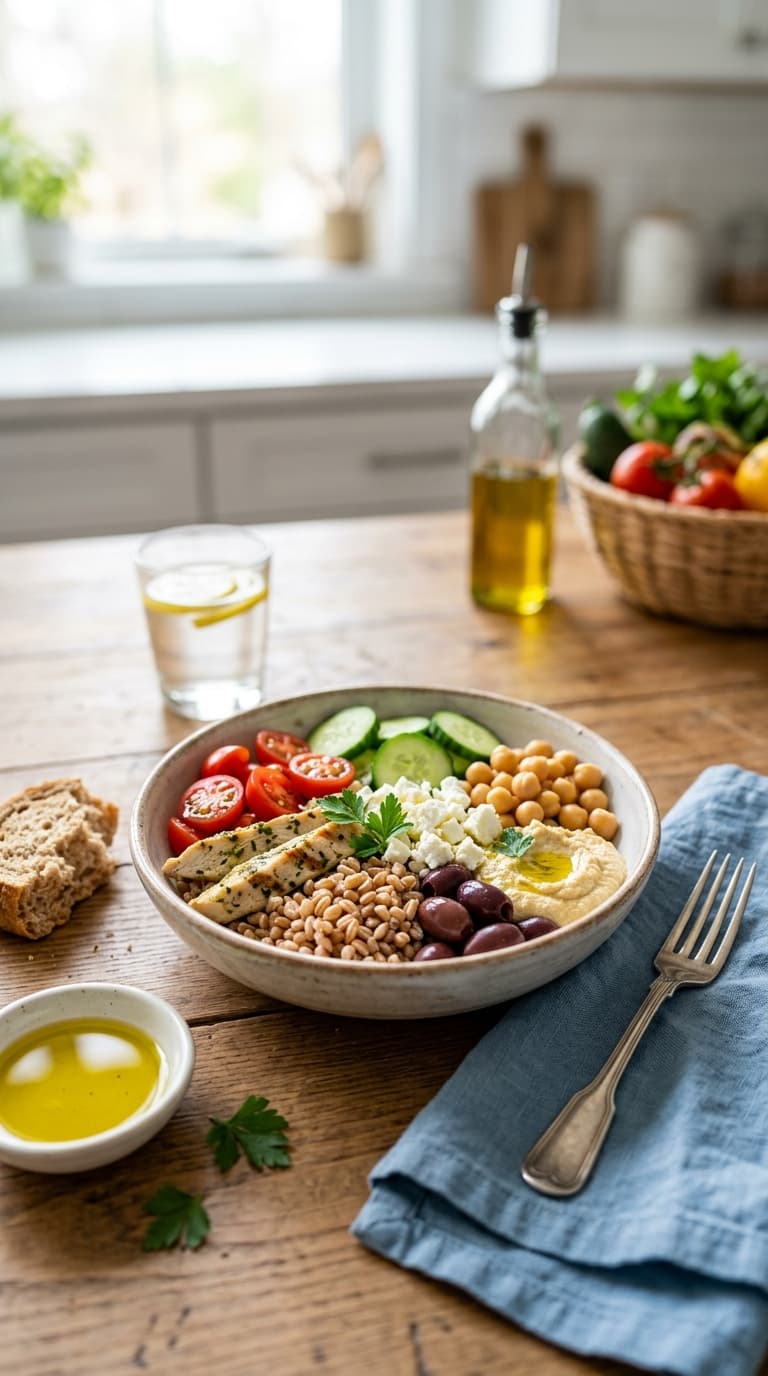
Look, knowing the rules and actually following them through a busy week are two very different things. The Mediterranean diet is genuinely easy to follow — when you’re prepared. When you’re not, you grab whatever’s fast and convenient, which is rarely a beautiful Greek grain bowl.
Meal prepping on the weekend transforms everything. A couple of hours on Sunday means you have:
- Pre-cooked grains ready to build bowls
- Roasted vegetables for easy sides
- Marinated proteins ready to cook or reheat
- Washed and chopped salad greens
- Batch-prepped snacks and dips (hummus, anyone?)
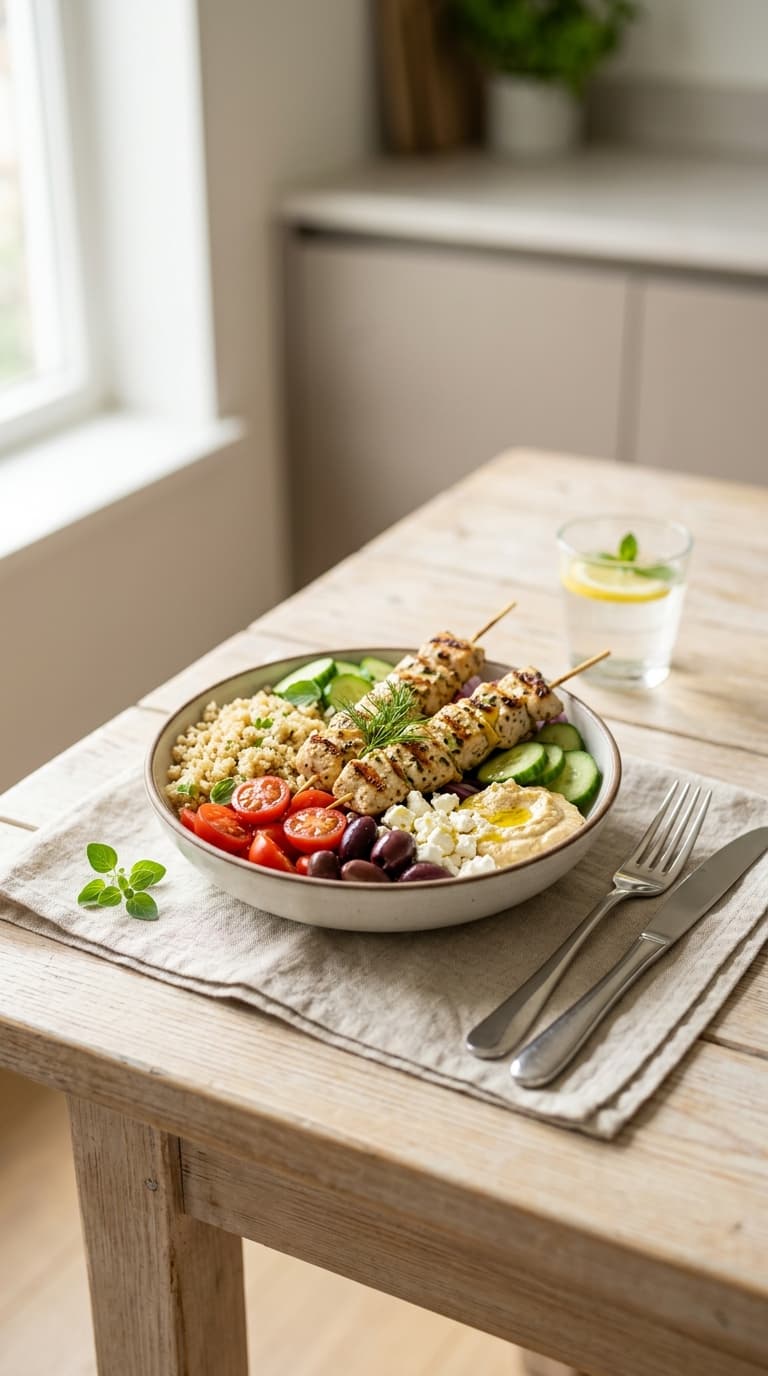
For Mediterranean-specific prep ideas, these 25 Mediterranean bowls you can prep in advance are endlessly useful. And if you want a full structured plan, the 7-day Mediterranean meal prep plan lays out everything you need — including a free printable.
Making Meal Prep Feel Less Overwhelming
If the idea of spending Sunday in the kitchen sounds exhausting, start smaller. You don’t need to prep every single meal. Pick two or three components to batch cook — a grain, a legume, and a roasted vegetable — and you’ll be miles ahead of where you’d be otherwise.
These easy Mediterranean lunch boxes for work are a perfect starting point for beginners who just want to nail the midday meal first. One win at a time.
Putting It All Together: Your Mediterranean Diet Starter Plan
So, where do you actually start? Here’s a simple week-one approach that doesn’t require you to overhaul your entire life on day one:
- Replace your cooking oil with extra virgin olive oil this week
- Add one plant-based meal per day (a salad, a bean-based dish, a grain bowl)
- Eat fish at least twice this week — even canned tuna counts
- Stock your pantry with the basics from Rule 7
- Batch cook one grain and one legume on the weekend
That’s it. Five small moves that start building real habits. You don’t need to be perfect. You need to be consistent.
Breakfast Doesn’t Have to Be Boring Either
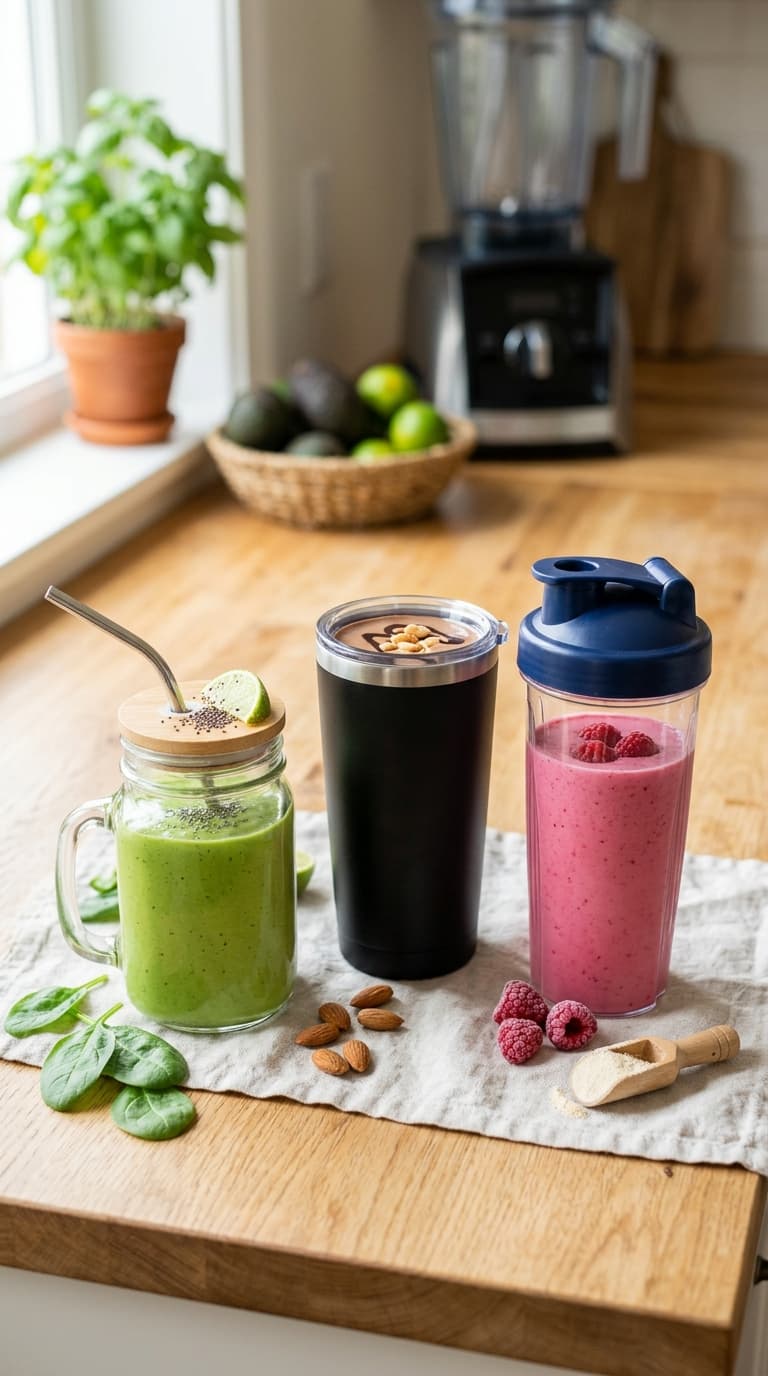
Mediterranean breakfasts tend to be simple and nourishing — Greek yogurt with fruit and nuts, whole grain toast with avocado and eggs, or a smoothie packed with whole food ingredients. If you want inspiration for the mornings, these Mediterranean breakfast meal prep recipes will genuinely make you want to wake up. High bar? Maybe. But they deliver.
Final Thoughts
The Mediterranean diet isn’t a diet in the way most people think about diets. It’s not a six-week program with a finish line. It’s a way of eating that people across Greece, Italy, and the Middle East have followed for generations — not because someone told them to, but because the food is incredible and the lifestyle it supports genuinely works.
The 10 rules we covered:
- Use olive oil generously
- Prioritize plants at every meal
- Choose seafood and legumes for protein
- Eat whole grains instead of refined ones
- Include dairy in Mediterranean portions
- Flavor with herbs and spices, not just salt
- Build a smart, stocked pantry
- Drink water as your main beverage
- Eat slowly and enjoy the process
- Meal prep to make it all sustainable
You don’t have to nail all ten rules on day one. Pick two or three that feel doable, get comfortable with them, and layer in the rest over time. The goal isn’t perfection — it’s progress, and a really delicious plate of food along the way. 🙂