14-Day Mediterranean Diet Plan For Beginners With Grocery List
14-Day Mediterranean Diet Plan For Beginners With Grocery List
So you’ve heard everyone raving about the Mediterranean diet and you’re finally curious enough to try it. Good call. This isn’t one of those restrictive “eat only lettuce and regret” plans — it’s actually built around food that tastes incredible. Olive oil, fresh vegetables, grilled fish, legumes, whole grains, and yes, even a glass of red wine if that’s your thing. I started following a Mediterranean-style eating pattern a couple of years ago, and honestly, it changed the way I think about food entirely.
This guide gives you a full 14-day Mediterranean diet meal plan laid out day by day, plus a practical grocery list so you’re not standing in the supermarket aisle looking confused. Let’s get into it.
What Is the Mediterranean Diet, Really?
Before we plan anything, let’s quickly get on the same page. The Mediterranean diet isn’t a strict rulebook — it’s more of a lifestyle framework inspired by the traditional eating habits of countries like Greece, Italy, Spain, and Turkey.
The core idea is simple: eat mostly plants, healthy fats, and lean proteins, while cutting back on processed foods, red meat, and added sugar. It consistently ranks as one of the healthiest diets in the world, and unlike keto or other rigid plans, it’s genuinely sustainable long-term.
Key Foods You’ll Be Eating
- Vegetables — tomatoes, cucumbers, spinach, zucchini, eggplant, peppers
- Fruits — berries, oranges, figs, grapes, pomegranate
- Whole grains — farro, bulgur, quinoa, whole wheat bread, brown rice
- Legumes — chickpeas, lentils, white beans, black beans
- Healthy fats — extra virgin olive oil, avocado, nuts, seeds
- Lean proteins — fish (especially fatty fish like salmon and sardines), eggs, chicken
- Dairy — Greek yogurt, feta cheese, small amounts of other cheeses
- Herbs & spices — oregano, cumin, turmeric, garlic, basil
Foods to Limit
- Red meat (occasional, not weekly)
- Processed snacks and packaged foods
- Refined carbs (white bread, white pasta)
- Added sugars and sugary drinks
- Fast food (yes, that includes your Friday fries :/)
Why Two Weeks? The Logic Behind a 14-Day Start
Two weeks is the sweet spot for building a new eating habit. It’s long enough to notice real changes — better energy, improved digestion, less bloating — but short enough that it doesn’t feel overwhelming. IMO, anyone trying a new diet for the first time should start with a 14-day window before committing long-term.
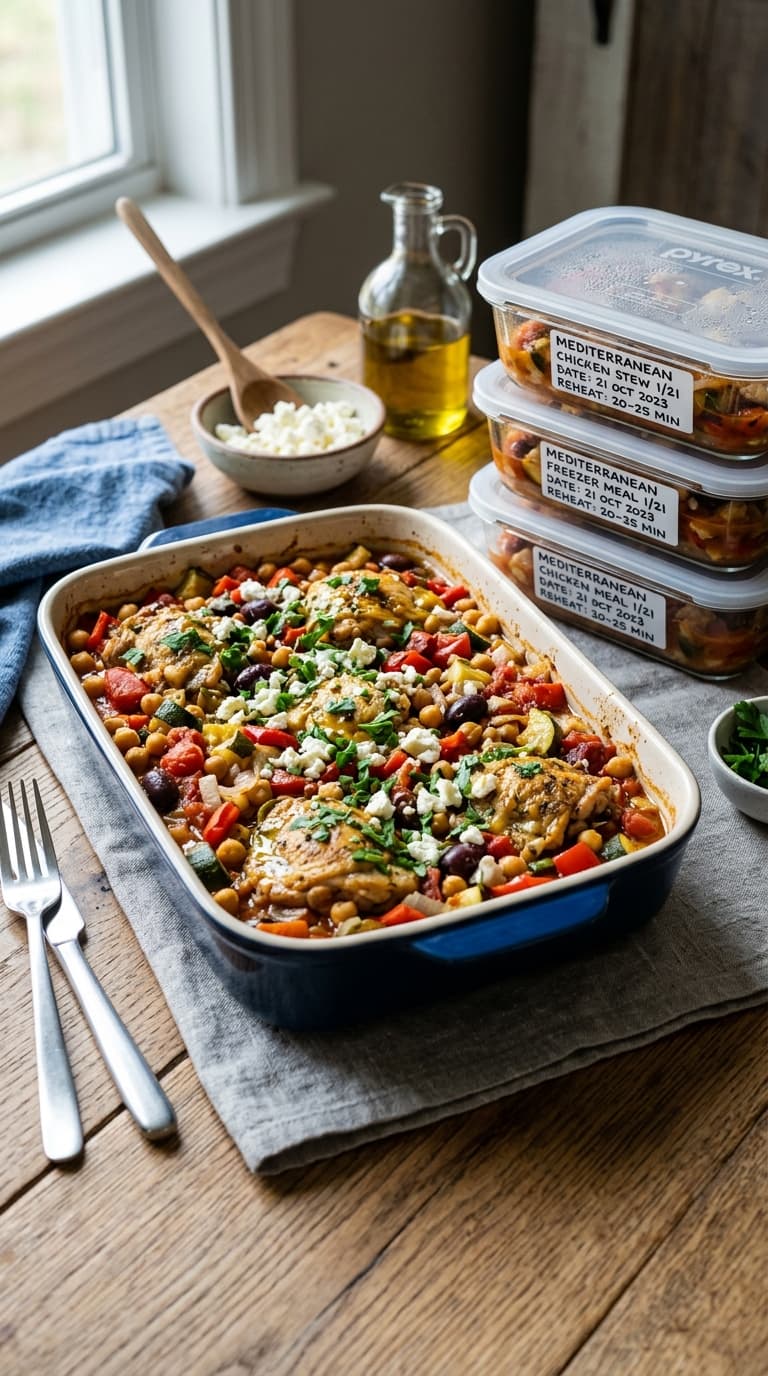
If you’re already into meal prepping, pairing this plan with some of these quick Mediterranean meal prep ideas for busy weeks will make your life significantly easier. Batch cooking on Sundays is genuinely a game-changer here.
Week 1 Meal Plan (Days 1–7)
Day 1
- Breakfast: Greek yogurt with honey, walnuts, and fresh berries
- Lunch: Whole wheat pita with hummus, sliced cucumbers, tomatoes, and olives
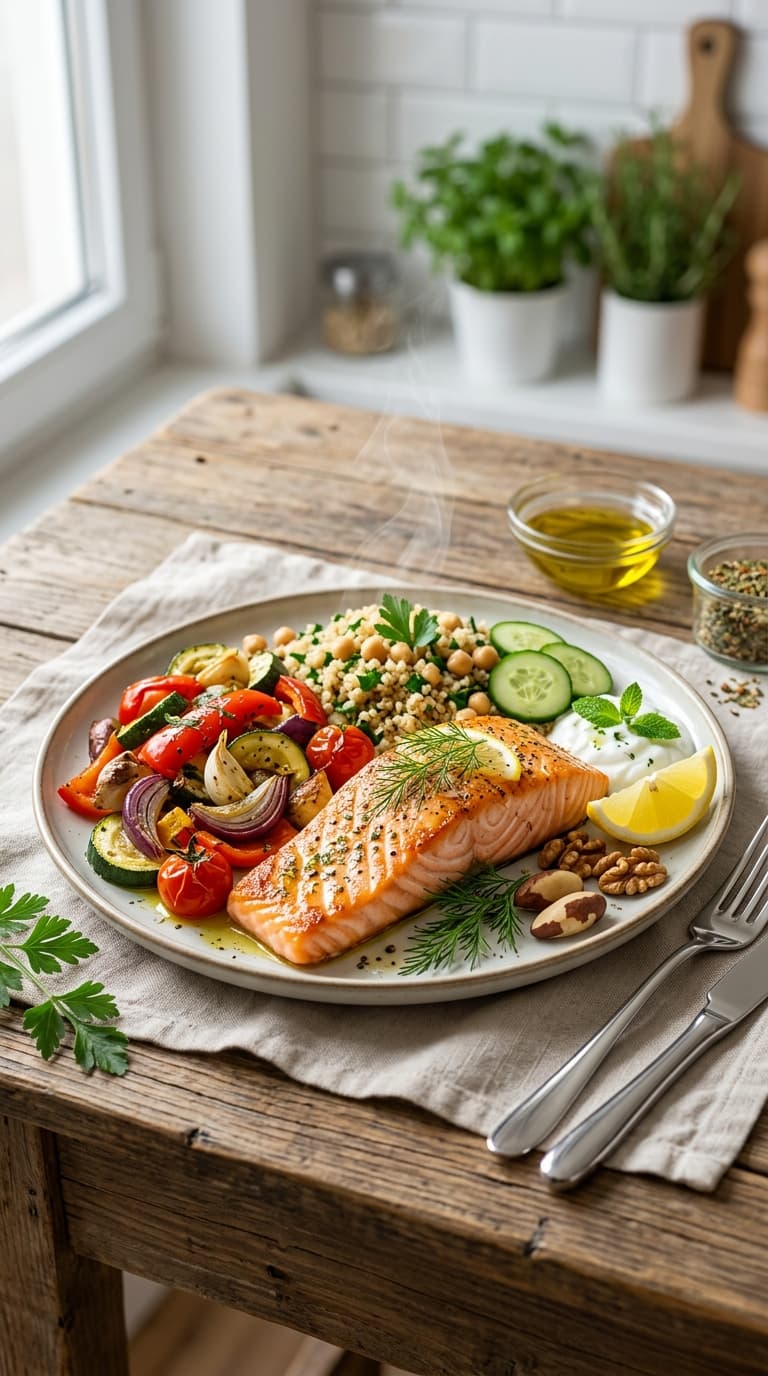
- Dinner: Baked salmon with roasted zucchini and a side of quinoa
- Snack: A small handful of almonds
Day 2
- Breakfast: Scrambled eggs with spinach, feta, and cherry tomatoes
- Lunch: Lentil soup with a slice of whole grain bread
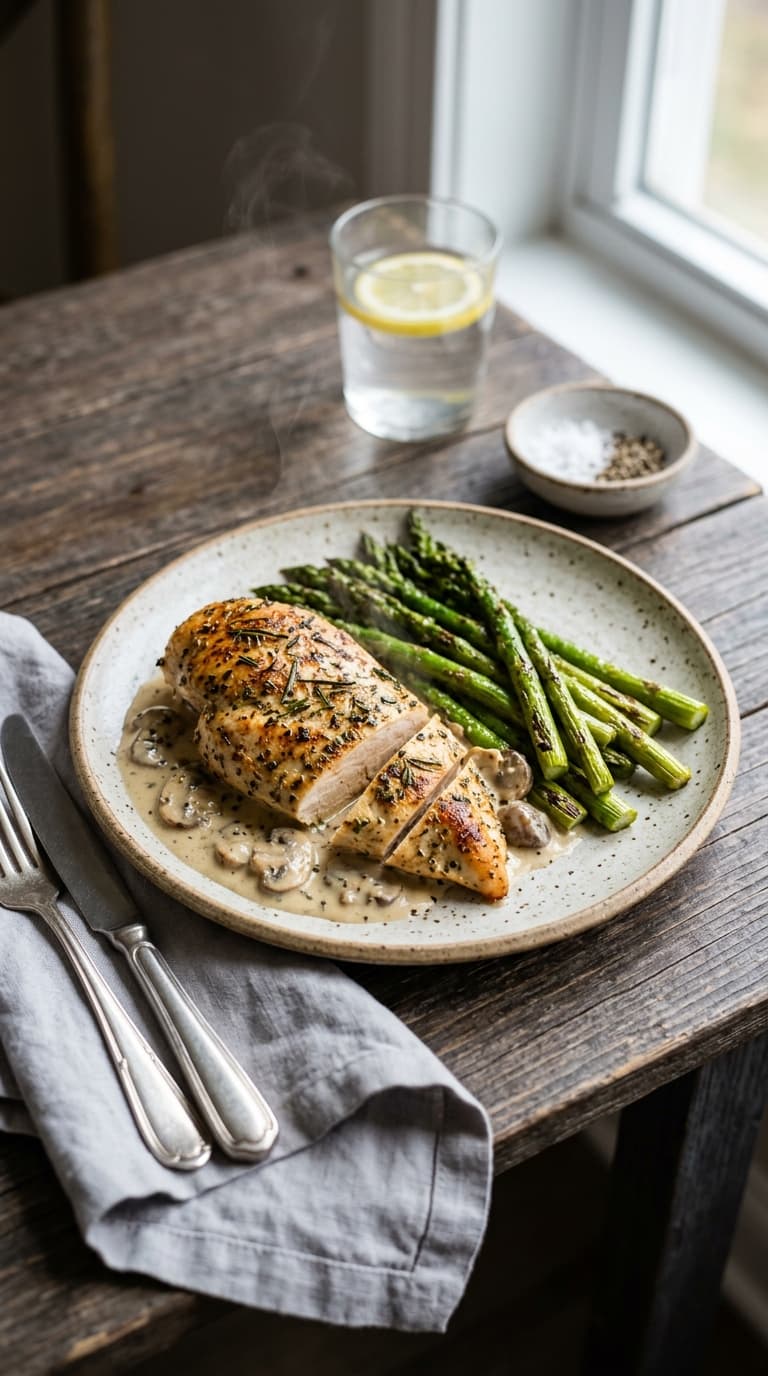
- Dinner: Grilled chicken with tabbouleh and roasted red peppers
- Snack: Apple slices with almond butter
Day 3
- Breakfast: Overnight oats with chia seeds, orange zest, and a drizzle of honey
- Lunch: Chickpea salad with cucumber, red onion, lemon, and olive oil
- Dinner: Shrimp stir-fry with garlic, cherry tomatoes, olives, and whole wheat pasta
- Snack: Carrot sticks with tzatziki
Day 4
- Breakfast: Whole grain toast with avocado and a poached egg
- Lunch: Farro bowl with roasted eggplant, feta, and fresh herbs
- Dinner: Baked cod with lemon, capers, roasted asparagus, and brown rice
- Snack: A small bunch of grapes and a few walnuts
Day 5
- Breakfast: Greek yogurt parfait with granola and sliced peaches
- Lunch: White bean and kale soup with olive oil drizzle
- Dinner: Grilled sardines or mackerel with roasted cherry tomatoes and bulgur
- Snack: Hummus with sliced bell peppers
Day 6
- Breakfast: Vegetable frittata with zucchini, onion, and feta
- Lunch: Mediterranean grain bowl with quinoa, chickpeas, roasted veggies, and tahini dressing
- Dinner: Lamb meatballs (small portion) with tomato sauce, herbs, and a simple green salad
- Snack: Handful of pistachios and dried figs
Day 7
- Breakfast: Whole grain pancakes with fresh fruit compote
- Lunch: Stuffed bell peppers with brown rice, vegetables, and a sprinkle of feta
- Dinner: Baked chicken thighs with olives, capers, lemon, and roasted potatoes
- Snack: Orange and a small square of dark chocolate
Week 2 Meal Plan (Days 8–14)
Day 8
- Breakfast: Smoothie with spinach, banana, Greek yogurt, flaxseeds, and almond milk
- Lunch: Tuna and white bean salad with lemon vinaigrette on a bed of arugula
- Dinner: Grilled swordfish with herb-roasted vegetables and couscous
- Snack: Celery sticks with hummus
Day 9
- Breakfast: Poached eggs on whole grain toast with sliced tomatoes and fresh basil
- Lunch: Lentil and roasted vegetable wrap in a whole wheat tortilla
- Dinner: Baked salmon with garlic spinach and farro
- Snack: A handful of mixed nuts and dried apricots
Day 10
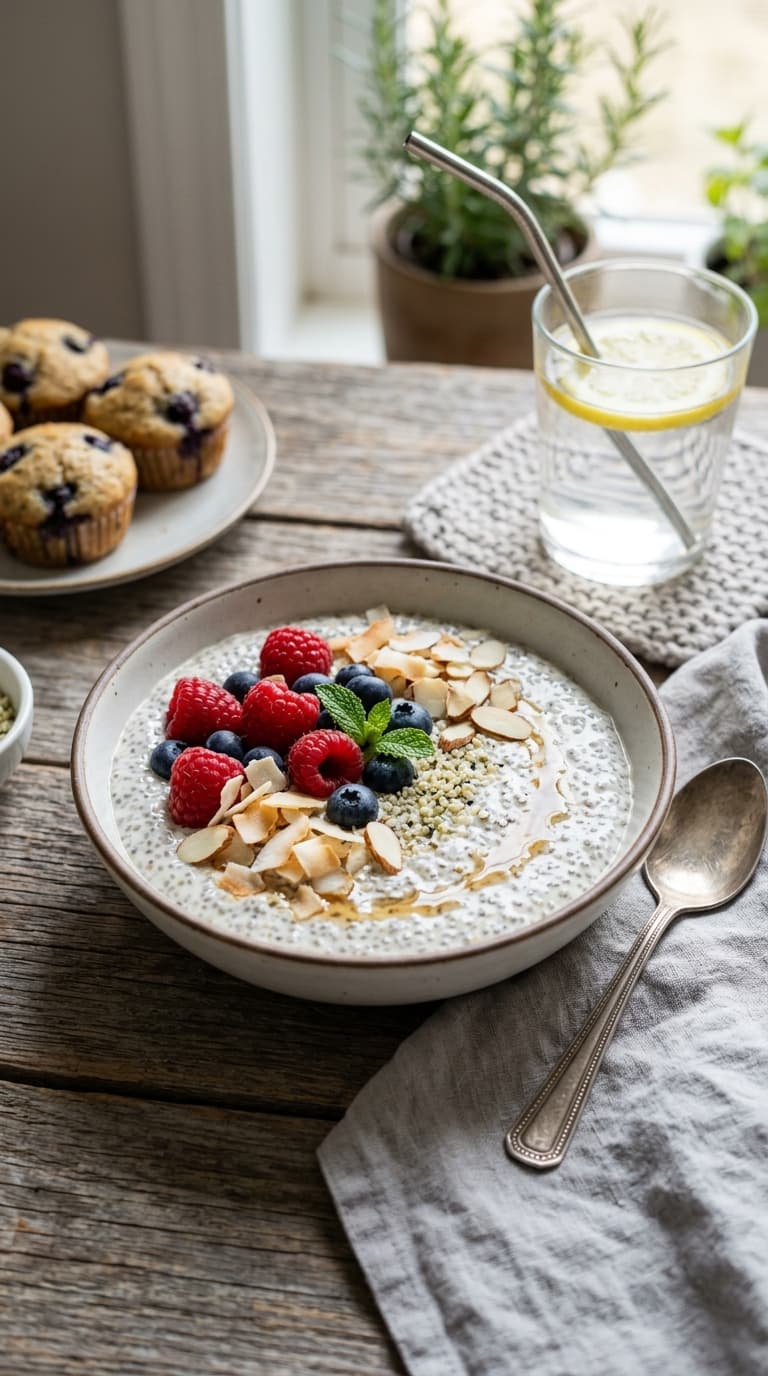
- Breakfast: Chia pudding with pomegranate seeds and a sprinkle of granola
- Lunch: Greek salad with olives, cucumbers, tomatoes, red onion, and feta — the classics always hit
- Dinner: Chicken souvlaki with tzatziki, whole wheat pita, and a simple tomato salad
- Snack: Apple and a small handful of almonds
Day 11
- Breakfast: Avocado toast with a fried egg and red pepper flakes
- Lunch: Roasted red pepper and tomato soup with crusty whole grain bread
- Dinner: Grilled shrimp skewers with herbed quinoa and grilled zucchini
- Snack: Greek yogurt with a drizzle of honey
Day 12
- Breakfast: Overnight oats with almond milk, cinnamon, and sliced bananas
- Lunch: Falafel bowl with bulgur, cucumber, cherry tomatoes, and tahini
- Dinner: Baked cod with a white bean and kale stew
- Snack: Handful of pistachios
Day 13
- Breakfast: Veggie omelet with mushrooms, spinach, and goat cheese
- Lunch: Mediterranean tuna melt on whole grain bread with sliced olives and tomatoes
- Dinner: Grilled chicken with roasted root vegetables and a lemony herb dressing
- Snack: A few dates stuffed with almond butter
Day 14
- Breakfast: Greek yogurt bowl with berries, chia seeds, and toasted coconut
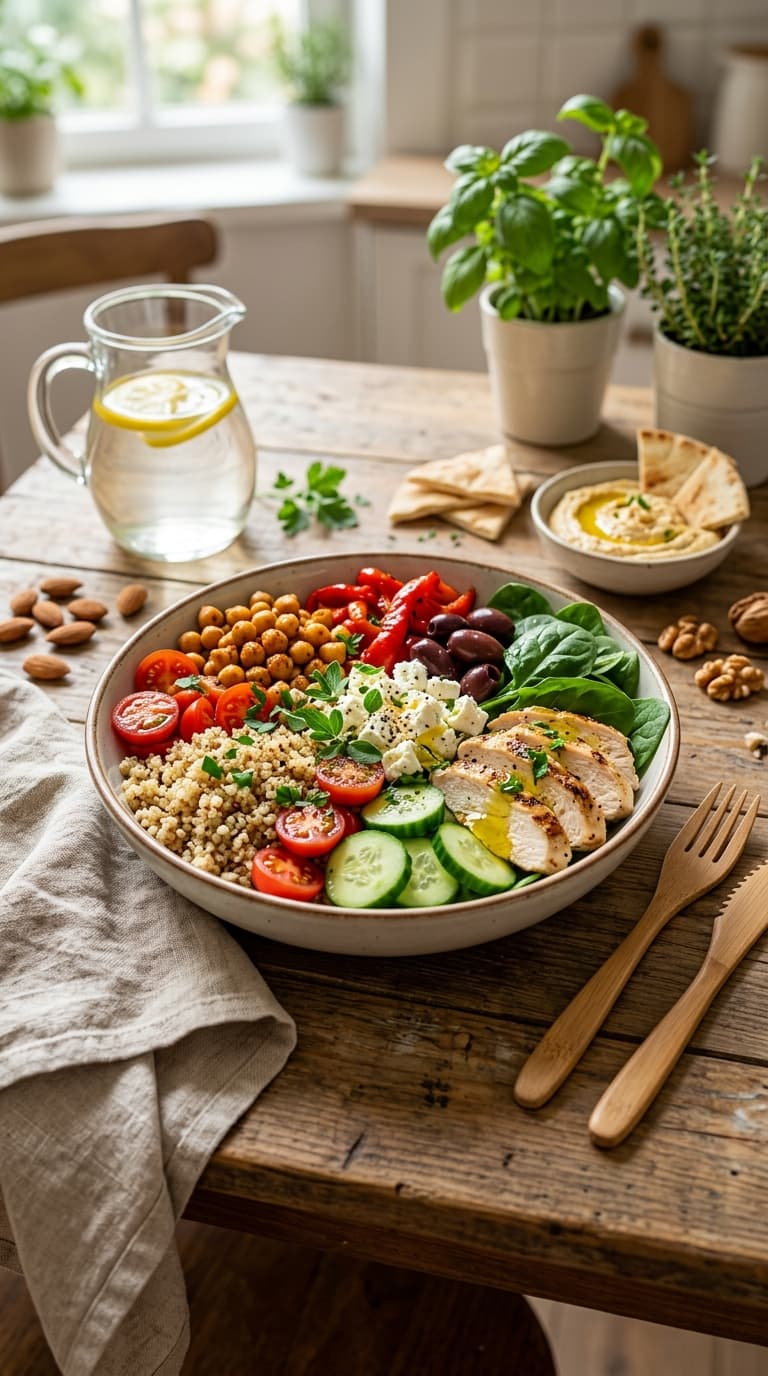
- Lunch: Big Mediterranean lunch bowl — this is your reward day — quinoa, roasted veggies, hummus, olives, feta, and tahini dressing all in one glorious bowl
- Dinner: Herb-crusted salmon with roasted asparagus and wild rice
- Snack: Dark chocolate and a few walnuts
Your Complete 14-Day Mediterranean Diet Grocery List
Here’s the full grocery list organized by category. You can split this into two shopping trips — one for Week 1 and one for Week 2 — to keep produce fresh.
Produce
- Spinach and mixed greens
- Kale
- Zucchini (x4)
- Eggplant (x2)
- Bell peppers (assorted colors, x6)
- Cherry tomatoes (2 pints)
- Cucumbers (x4)
- Red onions (x3)
- Yellow onions (x2)
- Garlic (2 bulbs)
- Asparagus (2 bunches)
- Carrots
- Celery
- Arugula
- Mushrooms
- Lemons (x8)
- Oranges (x4)
- Apples (x6)
- Bananas (x4)
- Berries (fresh or frozen — blueberries, strawberries)
- Peaches or nectarines (x3)
- Grapes
- Avocados (x4)
- Pomegranate seeds (jarred works fine)
- Dates and dried figs (small bags)
- Dried apricots
Proteins
- Salmon fillets (x4)
- Cod fillets (x2)
- Shrimp (1 lb)
- Sardines or mackerel (canned or fresh)
- Swordfish (x1, optional)
- Eggs (2 dozen)
- Chicken breasts or thighs (2 lbs)
- Canned tuna (in olive oil, x4 cans)
- Canned chickpeas (x4 cans)
- Canned white beans (x3 cans)
- Canned lentils or dry lentils (x2 bags)
- Falafel mix or prepared falafel
Grains
- Quinoa (1 large bag)
- Farro (1 bag)
- Bulgur wheat (1 bag)
- Brown rice (1 bag)
- Couscous (1 bag)
- Whole wheat pasta (x2 boxes)
- Whole grain bread or sourdough
- Whole wheat pita breads
- Whole wheat tortillas
- Rolled oats (for overnight oats)
Dairy & Refrigerated
- Greek yogurt, plain full-fat (large tub x2)
- Feta cheese (block or crumbled)
- Goat cheese (small log)
- Almond milk (unsweetened)
- Tzatziki (store-bought or make your own)
- Parmesan (small wedge, optional)
Pantry Staples
- Extra virgin olive oil (this is your new best friend — buy a good quality bottle)
- Tahini
- Hummus (store-bought or homemade)
- Capers (jar)
- Kalamata olives (jar)
- Crushed tomatoes (x2 cans)
- Almond butter
- Honey (raw, if possible)
- Chia seeds
- Flaxseeds
- Granola (low sugar)
- Walnuts, almonds, pistachios, mixed nuts
- Dark chocolate (70%+ cacao)
- Vegetable broth (x2 cartons)
- Dried herbs: oregano, cumin, cinnamon, red pepper flakes
- Fresh herbs: basil, parsley, mint (grow a small pot if you can — game changer)
Tips to Actually Stick With This Plan
Ever started a diet on a Monday and quit by Thursday? Yeah, we’ve all been there. Here’s how to make these 14 days work without losing your mind.
Batch cook on Sundays. Spend about 90 minutes cooking grains, roasting vegetables, and prepping proteins ahead. These easy Mediterranean lunch boxes for work are a great reference if you want grab-and-go options sorted in advance.
Keep it flexible. If you hate sardines (fair), swap them for tuna or salmon. The Mediterranean diet rewards variety, not rigidity. Check out these Mediterranean bowls you can prep in advance for mix-and-match ideas that keep things interesting all week.
Stock your pantry first. The olive oil, canned legumes, dried grains, and jarred olives are your foundation. If those are always on hand, you can throw together a solid Mediterranean meal with whatever fresh produce you have left.
Don’t skip the olive oil. Seriously. Some people get scared of fat — but extra virgin olive oil is packed with heart-healthy monounsaturated fats and antioxidants. Don’t skimp on it.
What to Expect After 14 Days
FYI — results vary by person, but most people who follow a Mediterranean diet for two weeks report feeling noticeably better. Think more energy in the mornings, less of that mid-afternoon crash, and significantly less bloating. The emphasis on fiber from legumes and vegetables plays a huge role in gut health.
Weight loss is possible, especially if you were previously eating a lot of processed food — but that’s almost a side effect rather than the main goal here. The real win is building a sustainable relationship with whole, nourishing food. If you want to keep the momentum going, a structured 7-day Mediterranean meal prep plan can help you roll right into week three without skipping a beat.
For anyone who wants to go deeper on the protein side of things, combining Mediterranean eating with a high-protein meal prep structure is genuinely one of the best approaches for satiety and muscle maintenance.
Final Thoughts
The Mediterranean diet isn’t magic — but it’s pretty close. It’s real food, eaten with intention, and built around flavors that actually make you look forward to meals. That’s a rare thing in the diet world, where most plans seem designed to make you miserable until you quit.
These 14 days are your starting point, not your finish line. Use the grocery list, follow the meal plan loosely, batch prep what you can, and give yourself permission to enjoy the food. That’s literally the whole point of eating this way.
Now go grab that olive oil and get started. Your future self will thank you 🙂