
Keto Vs Intermittent Fasting: Which Works Better?
Keto Vs Intermittent Fasting: Which Works Better?
Let’s be honest — you’ve probably spent way too long scrolling through conflicting advice, wondering whether to cut carbs or cut calories… or cut both and just suffer twice as much :/. The keto diet and intermittent fasting are two of the biggest names in the weight loss world, and people swear by both. So which one actually works better? Let me break it down for you — no fluff, no nonsense, just real talk.
What Even Is the Keto Diet?
If you’ve heard “keto” thrown around at every gym and brunch table, you’re not imagining it. The ketogenic diet is a high-fat, very low-carbohydrate eating plan that pushes your body into a metabolic state called ketosis. In ketosis, your body stops relying on glucose for fuel and starts burning fat instead. Sounds almost too good to be true, right?
How Keto Works
- Macronutrient split: Roughly 70–75% fat, 20–25% protein, and only 5–10% carbohydrates
- Net carb limit: Most people aim for under 20–50g of net carbs per day
- Ketosis timeline: It typically takes 2–7 days to enter ketosis
Your liver converts fat into ketones, which become your body’s primary energy source. This metabolic shift is what makes keto so effective for fat loss — especially stubborn body fat.
What You Actually Eat on Keto
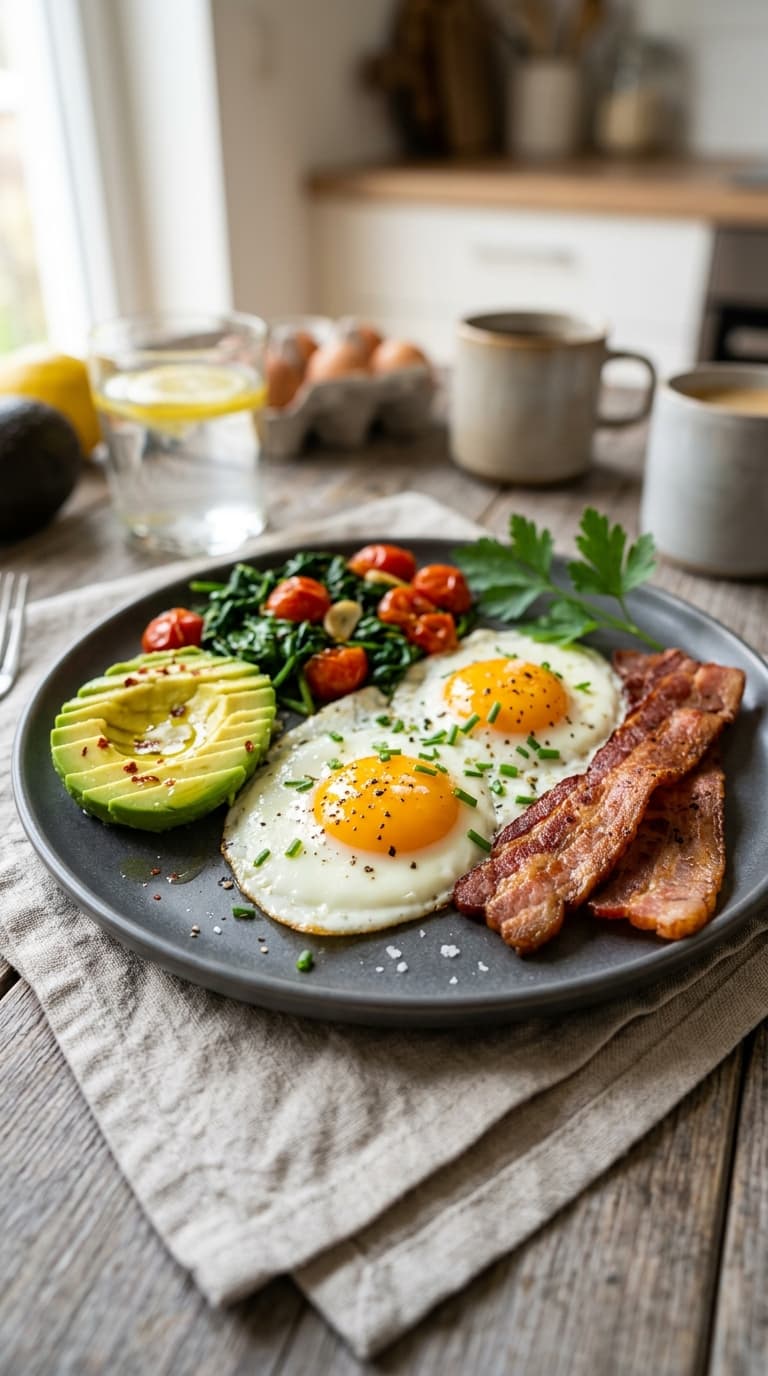
Think avocados, eggs, fatty cuts of meat, cheese, nuts, and low-carb veggies. You say goodbye to bread, pasta, rice, most fruits, and anything that even looks at you from a bakery window. If you want to get your keto prep game on point, checking out some keto meal prep ideas to stay on track will save you a lot of weekday stress.
What Is Intermittent Fasting?
Intermittent fasting (IF) isn’t really a diet in the traditional sense — it’s more of an eating schedule. You cycle between periods of eating and periods of fasting. You’re not necessarily changing what you eat, just when you eat it. FYI, this is one reason so many people find it easier to stick to than traditional diets.
Popular IF Protocols
- 16:8 Method: Fast for 16 hours, eat within an 8-hour window (the most popular approach)
- 5:2 Method: Eat normally 5 days a week, restrict to around 500–600 calories on 2 non-consecutive days
- OMAD (One Meal a Day): Exactly what it sounds like — and yes, it’s as intense as it sounds
- Alternate Day Fasting: Alternate between regular eating days and fasting/very low-calorie days
Why IF Works
When you fast, your insulin levels drop significantly, which triggers fat burning. Your body also gets a break from constant digestion, which some research links to reduced inflammation and improved cellular repair through a process called autophagy. It’s basically your body’s way of cleaning house.
Keto Vs Intermittent Fasting: The Key Differences
Here’s where it gets interesting. Both approaches promote fat loss, but they get there through different roads.
| Factor | Keto | Intermittent Fasting |
|---|---|---|
| Primary mechanism | Metabolic state (ketosis) | Calorie restriction via timing |
| Food restrictions | Yes — strict carb limits | No — eat what you want (within reason) |
| Flexibility | Low | High |
| Learning curve | Steep | Moderate |
| Initial side effects | Keto flu possible | Hunger during fasting windows |
Keto requires constant vigilance about macros. Every meal needs to be planned with your carb limit in mind. IF, on the other hand, lets you eat more freely — as long as you respect your eating window.
Weight Loss: Which One Actually Burns More Fat?
This is the big question, isn’t it? Let’s not dance around it.
Keto for Weight Loss
Keto tends to produce rapid initial weight loss — but here’s the thing, a lot of that early loss is water weight. As glycogen stores deplete, your body releases water. The real fat loss kicks in once you’re consistently in ketosis.
Studies show that ketogenic diets can be highly effective for reducing visceral fat (the dangerous fat stored around your organs). Many people also report significantly reduced appetite on keto, which naturally leads to eating less without counting every calorie.
If you want to make keto sustainable long-term, meal prep is your best friend. Having a solid 7-day keto meal prep plan means you’re never caught hungry and reaching for the nearest bag of chips.
Intermittent Fasting for Weight Loss
IF works primarily through calorie restriction — it’s hard to eat as much when you’re compressing your meals into a smaller window. It also keeps insulin low for extended periods, which promotes fat burning throughout the fasting phase.
Research comparing IF to continuous calorie restriction finds they produce similar weight loss results over time. What IF has going for it is simplicity. No tracking macros. No giving up entire food groups. Just… don’t eat for a bit.
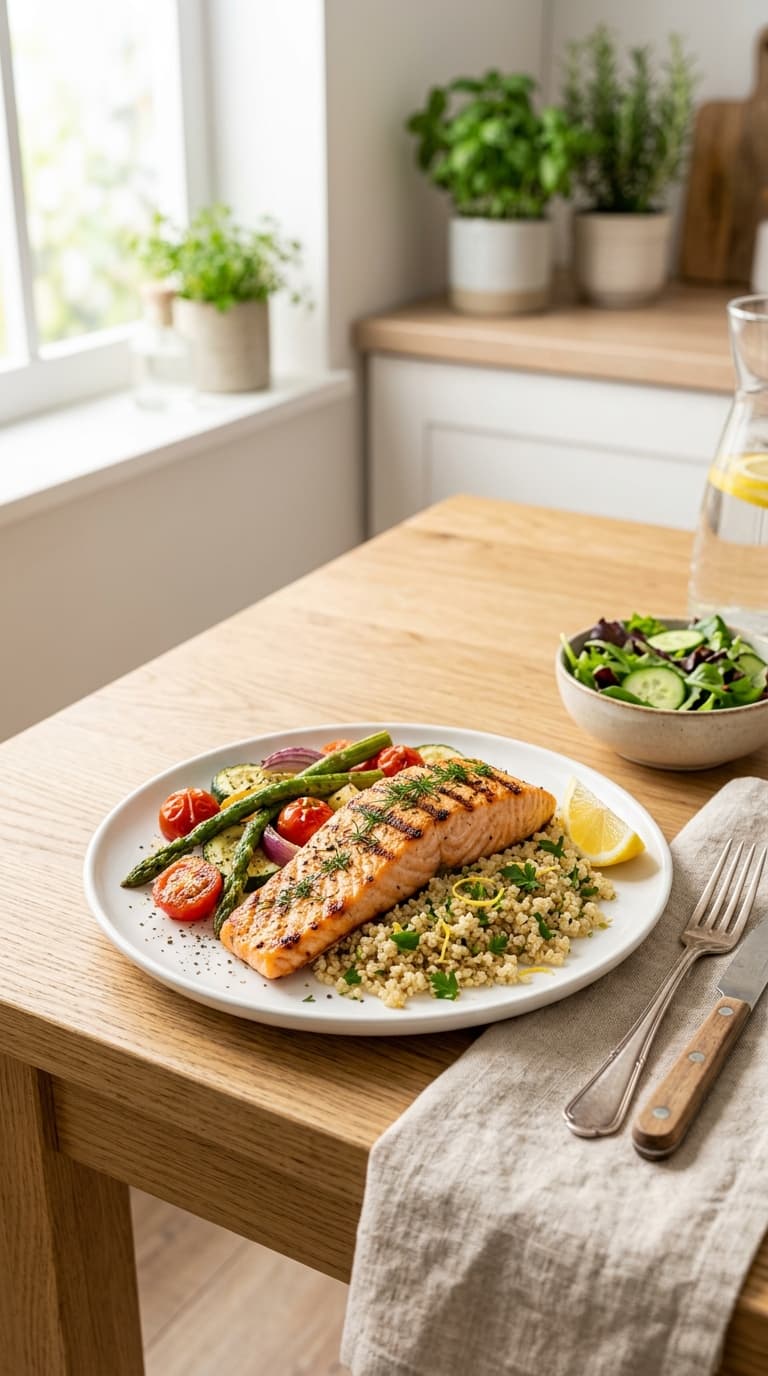
For people who want to combine IF with lighter, balanced meals during their eating window, weight loss meal prep bowls that don’t feel like diet food are honestly a game-changer.
The Muscle and Energy Question
Ever noticed how your energy tanks on a crash diet? Both keto and IF handle this differently.
Keto and Energy
The first week on keto is rough. Like, really rough. You might experience the dreaded “keto flu” — fatigue, brain fog, headaches, and general misery. Your body is literally going through withdrawal from glucose. But once you adapt (usually within 2–4 weeks), many keto dieters report steady, sustained energy without the mid-afternoon crashes that carb-heavy diets cause.
For preserving muscle mass, adequate protein intake on keto is crucial. Hitting your protein targets consistently can be tricky, but high-protein meal prep bowls for the week make it a lot more manageable.
Intermittent Fasting and Energy
IF can feel uncomfortable at first — your stomach will absolutely protest. But once your body adjusts, most people find their mental clarity actually improves during fasting windows. There’s a reason many high performers swear by morning fasts.
The concern with IF is muscle loss if you’re not eating enough protein during your eating window. If you’re training hard, make sure you’re loading up on high-protein meals that keep you full all day — especially post-workout.
Which Is Easier to Stick To Long-Term?
Sustainability is everything. The best diet is the one you can actually maintain — because a perfect plan you quit in three weeks beats nothing.
Keto: The Commitment Required
Keto demands serious lifestyle changes. Eating out becomes complicated. Social events involve awkward explanations. One “cheat day” can kick you out of ketosis and send you back to square one. IMO, this is the biggest hurdle for most people.
That said, the fat-adaptation process does make cravings for carbs decrease significantly over time. Some people find that after the adjustment period, keto feels completely natural.
IF: The Flexibility Factor
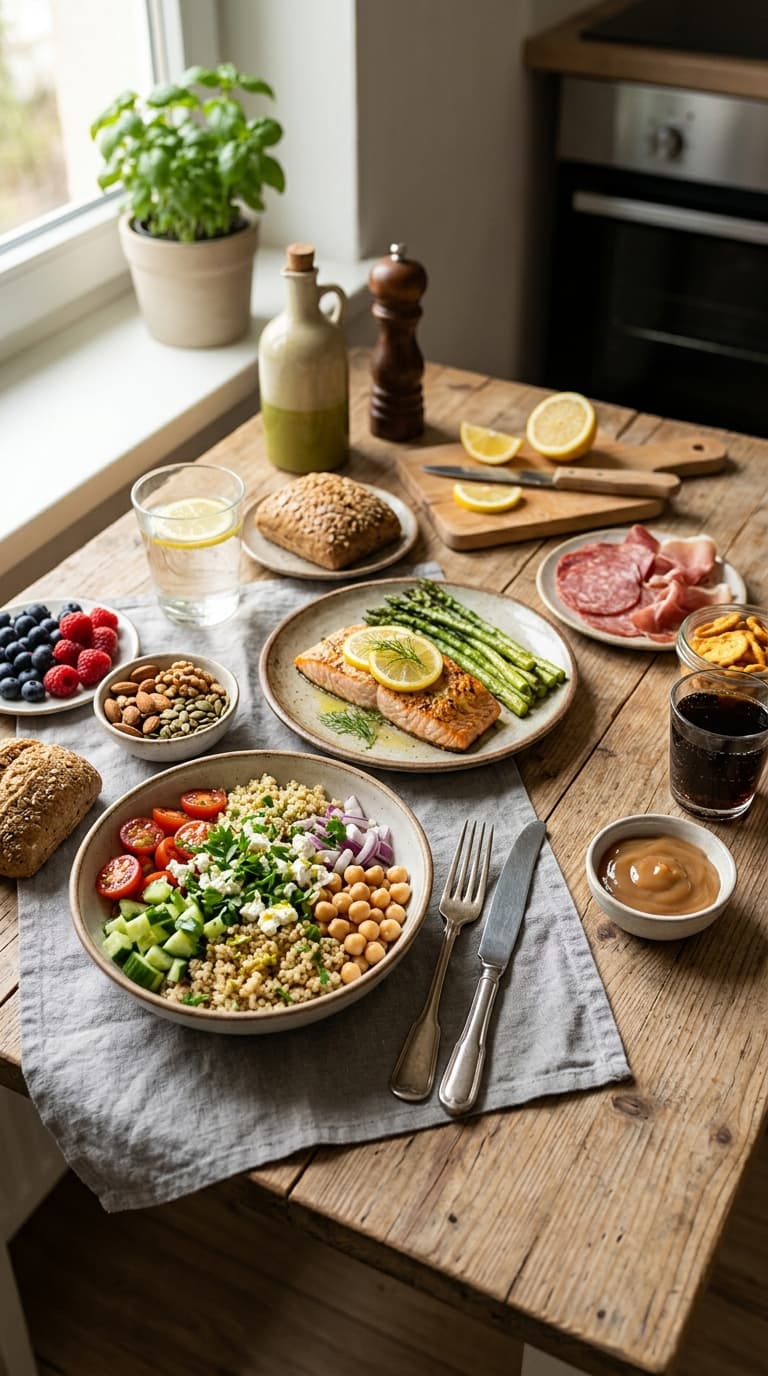
This is where IF wins hands down. You can technically eat anything during your eating window. Want Mediterranean food? Go for it. Craving a burger? Have it (within reason). You’re not boxed into a specific macro structure.
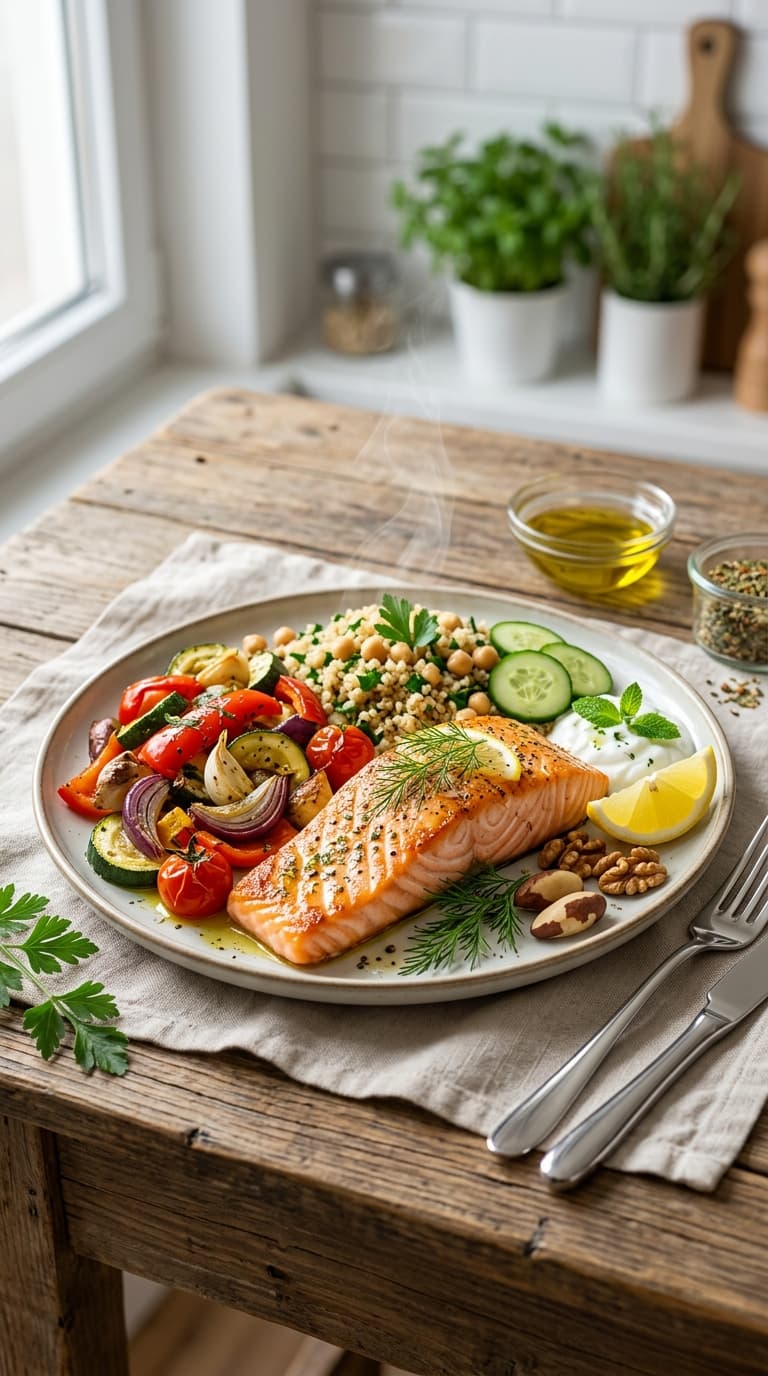
For people who hate restrictive eating rules, IF is genuinely liberating. Pair it with some balanced meal prep bowls with protein, carbs, and veggies during your eating window and you’re covering all your nutritional bases without overthinking it.
What About Combining Keto and Intermittent Fasting?
Oh yes — some people go full turbo mode and do both at the same time. And honestly? It can work really well.
When you combine keto with IF, you’re essentially attacking fat burning from two angles simultaneously. Your body enters ketosis faster when you fast, and fasting is easier when you’re already fat-adapted on keto because hunger signals naturally decrease.
The downside? It’s an intense combination, especially for beginners. If you’re new to either approach, it’s smarter to master one before layering in the other. Jumping into both at once without preparation is a recipe for burning out by day four.
Who Should Choose Keto?
Keto tends to work particularly well if you:
- Struggle with carb cravings and do better with clear, strict rules
- Have insulin resistance or type 2 diabetes (always consult your doctor first)
- Want to target visceral fat specifically
- Prefer eating satiating, rich foods like meats, eggs, and healthy fats
- Are willing to do consistent meal prep and planning
If you decide to go the keto route, starting with a structured plan like a complete guide to prepping a week of keto meals in 2 hours will keep you from feeling overwhelmed in the first few weeks.
Who Should Choose Intermittent Fasting?
IF is likely the better fit if you:
- Hate counting macros or tracking every bite of food
- Have a busy lifestyle and prefer simple, time-based rules
- Want flexibility in what you eat
- Are looking for a long-term, sustainable approach
- Already eat reasonably healthy and just want better calorie control
For busy people who want to make the most of their eating window, having a stack of easy meal prep bowls for beginners ready in the fridge makes hitting your nutrition goals effortless.
The Health Benefits Beyond Weight Loss
Both approaches offer benefits that go beyond just dropping pounds.
Keto Benefits
- Reduced inflammation linked to lower sugar intake
- Improved blood sugar stability and insulin sensitivity
- Potential neurological benefits — keto was originally developed as a treatment for epilepsy
- Reduced triglycerides and improved HDL cholesterol in many people
IF Benefits
- Autophagy activation — cellular cleanup that may slow aging
- Improved metabolic health and insulin sensitivity
- Potential longevity benefits supported by animal studies
- Reduced oxidative stress and inflammation markers
Both diets, when followed thoughtfully, support overall metabolic health. The difference is that keto’s benefits are more tied to what you eat, while IF’s benefits are tied to when you eat and the fasting periods themselves.
The Honest Verdict
So — keto vs intermittent fasting — which one wins?
Here’s the real answer: neither one is universally better. Both work. Both have science behind them. Both have helped millions of people transform their health and bodies.
Choose keto if you want clear dietary rules, struggle with carb addiction, and are willing to commit fully. Choose IF if you want flexibility, simplicity, and a sustainable long-term approach that doesn’t require overhauling your entire relationship with food.
And if you’re someone who enjoys a challenge and wants faster results? Combine them — carefully, and with proper planning.
The most important thing? Stop waiting for the perfect plan and start somewhere. Whether you begin with a 7-day balanced bowl meal prep plan to support your IF window or stock your fridge with keto breakfasts that keep you full, the point is to take that first real step.
Your body is ready when you are 🙂