
Mediterranean Diet Vs Keto: Which One Actually Works Better?
Mediterranean Diet Vs Keto: Which One Actually Works Better?

You’ve probably stood in front of your fridge at some point, wondering if you should grab the olive oil and hummus or just go full bacon-and-cheese mode. The Mediterranean diet vs keto debate has been heating up for years, and honestly, both sides have passionate fans who will defend their choice like it’s a personal identity. So which one actually delivers? Let’s break it down — no fluff, no filler, just real talk.
What Actually Is the Mediterranean Diet?
Before we compare, let’s make sure we’re on the same page. The Mediterranean diet isn’t really a “diet” in the traditional sense. It’s more of a lifestyle pattern inspired by the eating habits of people in countries like Greece, Italy, and Spain.
Here’s what it typically looks like:
- Lots of vegetables, fruits, legumes, and whole grains
- Healthy fats — primarily from olive oil, nuts, and avocados
- Fish and seafood several times a week
- Moderate amounts of dairy, mostly yogurt and cheese
- Red meat only occasionally
- Red wine in moderation (yes, really)
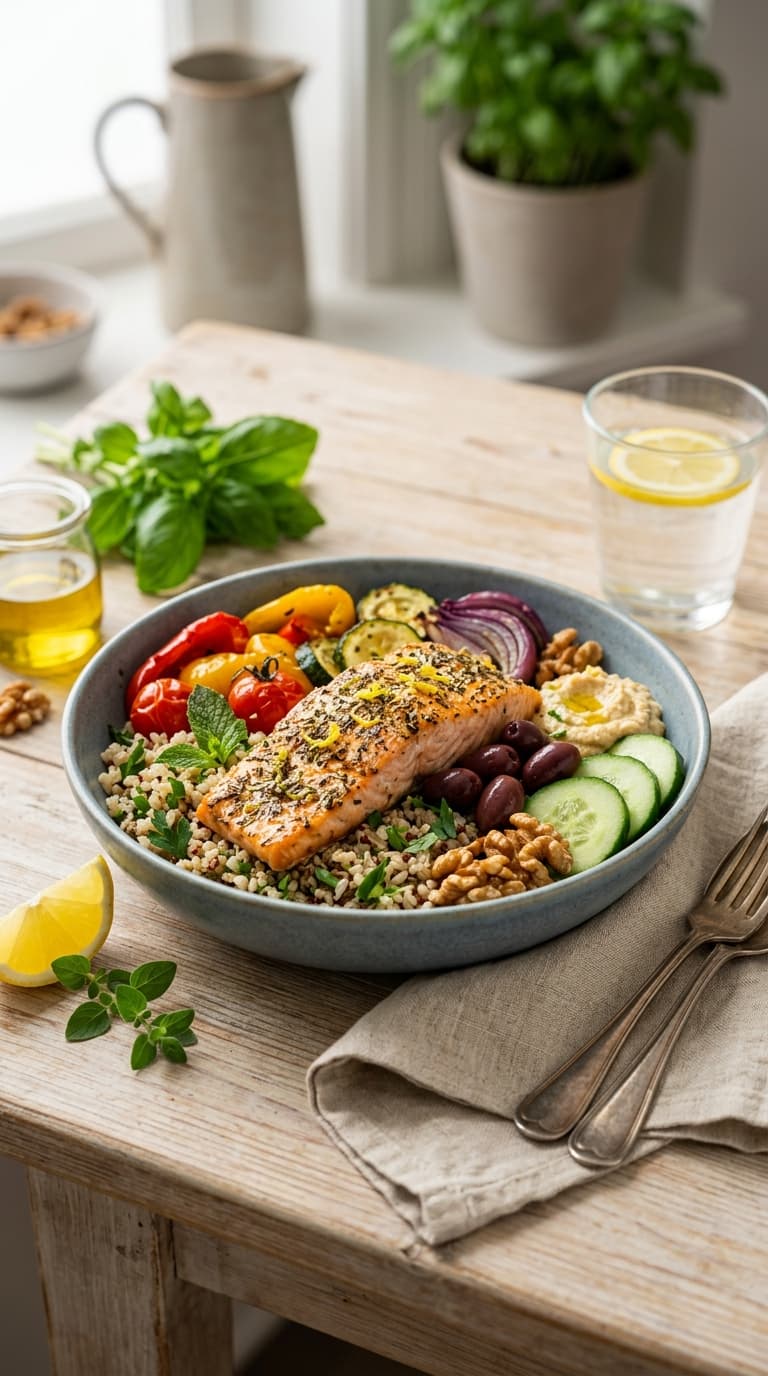
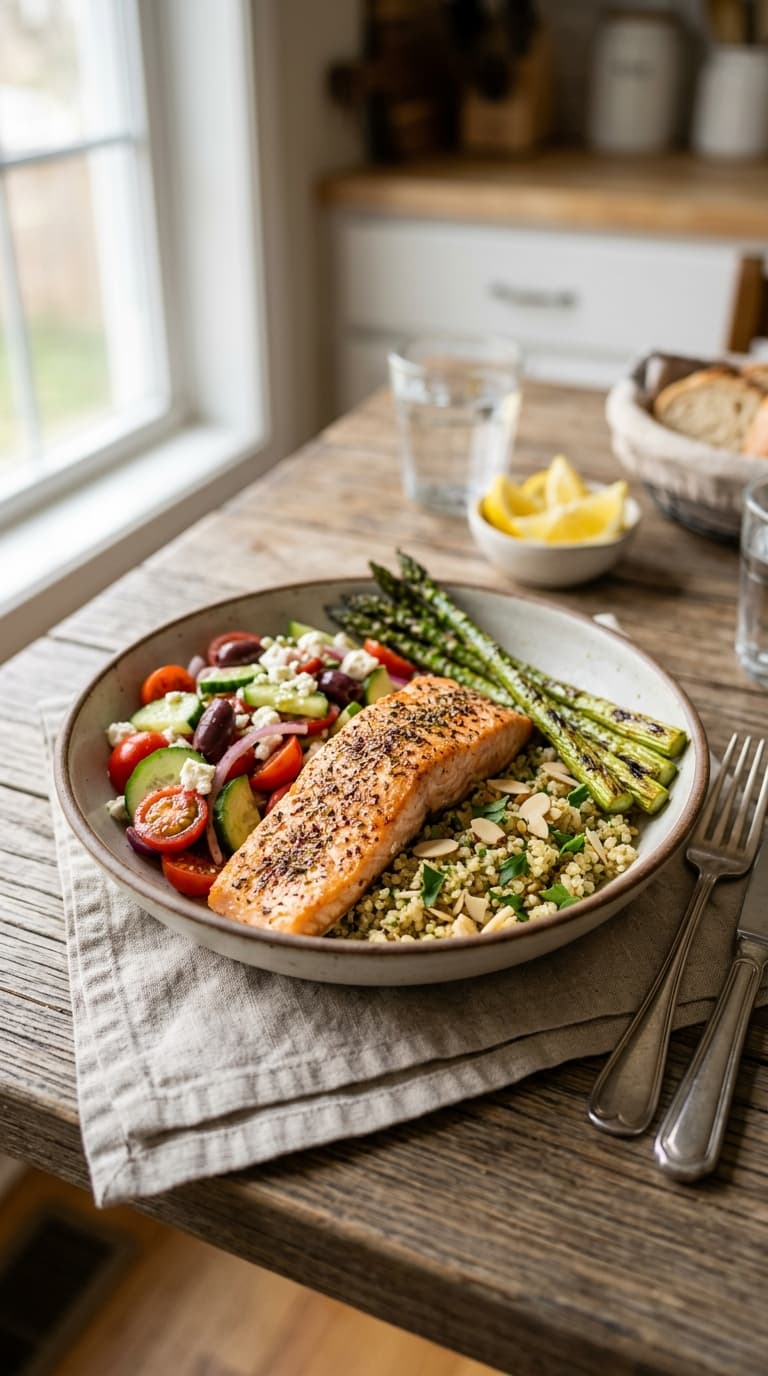
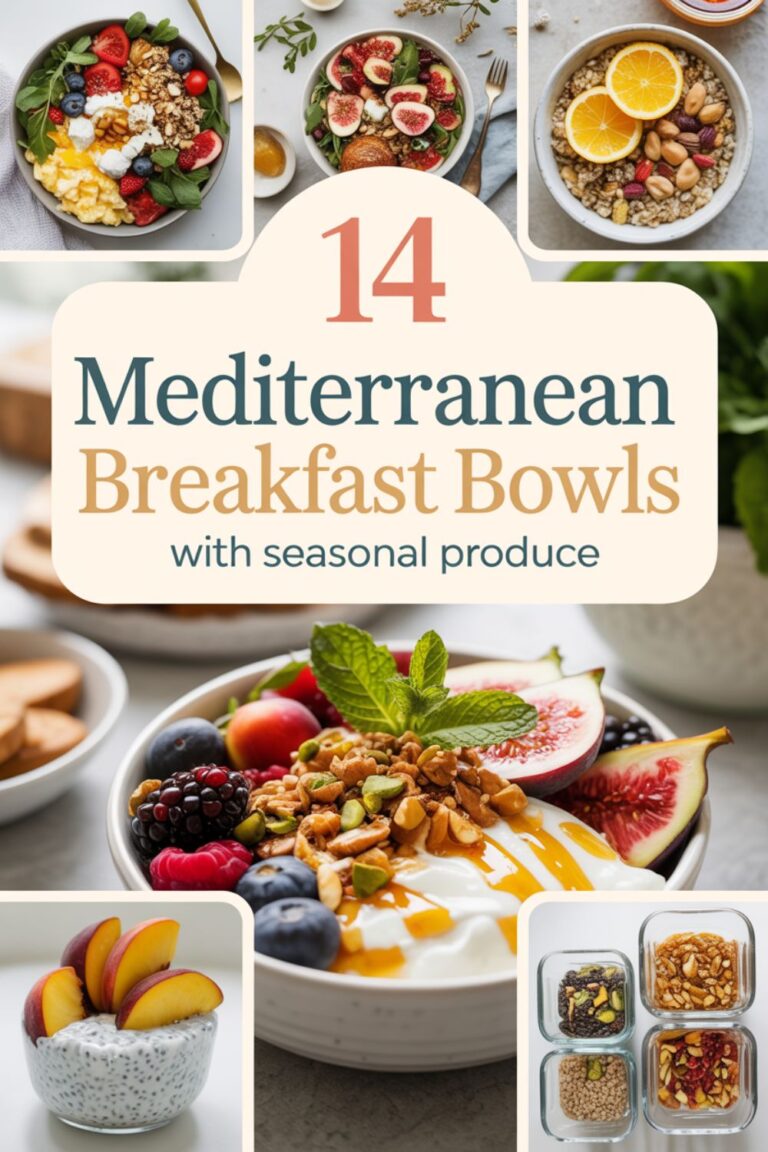
The Mediterranean approach doesn’t cut out entire food groups. It’s balanced, flexible, and — this is the key part — it actually tastes good. If you love cooking with fresh herbs, garlic, and lemon, you’re going to feel right at home here. And if you’re already meal prepping this way, you’ll love these quick Mediterranean meal prep ideas for busy weeks to keep things on track.
What Is the Keto Diet, Really?
Keto is short for ketogenic, and it’s a high-fat, very low-carb diet. The goal is to push your body into a metabolic state called ketosis, where it burns fat for fuel instead of glucose.
A typical keto breakdown looks like:
- 70–75% of calories from fat
- 20–25% from protein
- Only 5% from carbohydrates (usually under 20–50g of net carbs per day)
That means no bread, no pasta, no rice, no fruit (mostly), and definitely no sneaking in a cookie. Keto is strict. It rewards discipline and punishes cheat days with what’s lovingly called the “keto flu” — a few days of fatigue, headaches, and general misery as your body adjusts.
If you’re curious about getting started, there are solid keto meal prep ideas to stay on track that make the whole process way less overwhelming.
Weight Loss: Who Wins?
Okay, this is what most people actually want to know. Does one of these diets torch fat faster than the other?
Short-Term Weight Loss
Keto wins the short game. In the first few weeks, keto dieters often see dramatic weight loss — sometimes 5–10 pounds in the first two weeks. But here’s the honest truth: a big chunk of that is water weight. When your body depletes glycogen stores, it releases a lot of stored water. Still satisfying to see on the scale, though 🙂
Long-Term Weight Loss
Mediterranean diet holds its own over time. Multiple studies show that people maintain weight loss more consistently on the Mediterranean approach because it’s easier to stick with. You’re not fighting cravings every single day or stressing over hidden carbs in salad dressing.
IMO, sustainability is the real metric for weight loss success. A diet you can actually follow for a year beats one you abandon after six weeks every single time.
Heart Health: A Clear Winner Emerges
This one isn’t even close. The Mediterranean diet has decades of research backing its cardiovascular benefits.
The landmark PREDIMED study showed that people following a Mediterranean diet supplemented with olive oil or nuts had a 30% reduction in major cardiovascular events compared to a low-fat diet. That’s not a small number.
Key heart health benefits of the Mediterranean diet include:
- Reduces LDL (bad) cholesterol
- Raises HDL (good) cholesterol
- Lowers blood pressure
- Reduces inflammation markers like C-reactive protein
Keto can also improve certain cholesterol markers, and it does reduce triglycerides significantly. However, some people on keto see an increase in LDL cholesterol, which concerns cardiologists. The long-term cardiovascular data for keto is still limited compared to the mountain of research supporting Mediterranean eating.
Blood Sugar and Diabetes Management
Here’s where keto pulls ahead — and meaningfully so.
Keto is arguably the most effective dietary intervention for managing type 2 diabetes and insulin resistance. By slashing carbs to near zero, you eliminate the primary driver of blood sugar spikes. Many people with type 2 diabetes have reduced or even eliminated their medication under medical supervision while on keto.
The Mediterranean diet also helps with blood sugar regulation — it’s rich in fiber and low in processed carbs, which smooths out glucose response. But it doesn’t produce the same dramatic, fast results for diabetics that keto does.
If blood sugar management is your primary goal, keto has a real edge here. Just make sure you’re working with a doctor if you’re on diabetes medication, because your dosages may need rapid adjustment.
Energy Levels and Mental Clarity
Ever heard someone rave about “ketone brain power”? The idea is that once you’re fat-adapted, your brain runs more efficiently on ketones than on glucose. Some people genuinely experience improved focus and steady energy without the afternoon crash.
But — and this is a big but — getting to that fat-adapted state takes weeks, and the journey there is rough. The keto flu is real, and during that transition phase, your energy will tank. Hard.
The Mediterranean diet keeps energy levels consistent from day one. Because you’re still eating complex carbs and fiber-rich foods, your blood sugar stays stable and you don’t experience those dramatic highs and lows. For most people, daily energy feels more reliable on Mediterranean eating without any adaptation period.
Practical Sustainability: Which One Can You Actually Stick To?
Let’s be real — the best diet is the one you’ll actually follow. :/
Mediterranean Diet Sustainability
- Flexible and forgiving — no food group is completely off limits
- Easy to follow at restaurants and social events
- Naturally delicious and varied
- Doesn’t require obsessive label-reading
- Works beautifully for meal prepping balanced bowls that hit every macro
Keto Sustainability
- Strict and unforgiving — one bad day can kick you out of ketosis
- Challenging at restaurants and family dinners
- Can feel repetitive without creative planning
- Requires careful tracking of net carbs
- Social eating becomes complicated fast
If you love structure and strict rules actually help you stay on track, keto can work long-term. But for most people, the Mediterranean diet wins the sustainability game without question.
Nutritional Completeness: Are You Getting Everything You Need?
Mediterranean Diet
The Mediterranean diet scores extremely high on nutritional completeness. You get:
- Fiber from legumes, whole grains, and vegetables
- Omega-3 fatty acids from fish and nuts
- Antioxidants from colorful produce
- Probiotics from fermented dairy like yogurt
- Vitamins and minerals across the full spectrum
Building colorful, nutrient-dense meal prep bowls on the Mediterranean diet is genuinely enjoyable — your plate looks amazing and your body gets everything it needs.
Keto Diet
Keto requires more attention to nutritional gaps. Common deficiencies include:
- Magnesium, potassium, and sodium (electrolyte imbalances are common)
- Fiber — most keto dieters struggle to hit adequate fiber intake
- B vitamins from whole grains
- Antioxidants from fruits and legumes
Most keto followers need to supplement and be intentional about electrolytes, especially in the beginning. This adds complexity and cost.
Cost and Accessibility
Neither diet is exactly budget-friendly if you’re buying premium ingredients, but there’s a clear difference in approach.
The Mediterranean diet can be very affordable if you lean into its plant-based core — beans, lentils, seasonal vegetables, and whole grains are cheap. You don’t need to eat salmon every day. FYI, legumes are one of the most cost-effective protein sources on the planet.
Keto gets expensive when you’re relying on meat, cheese, specialty keto snacks, and nut butters as staples. If you want budget-friendly keto, you need to plan carefully.
For those watching their spending, check out these affordable meal prep recipes under $5 a serving — many of which align beautifully with Mediterranean principles.
Who Should Choose Which Diet?
Not everyone has the same goals, and that’s completely fine. Here’s a quick breakdown:
Choose Mediterranean If You:
- Want long-term heart health and disease prevention
- Prefer a flexible, enjoyable eating style
- Eat socially or travel frequently
- Want a sustainable lifestyle rather than a short-term fix
- Care about overall nutritional completeness
Choose Keto If You:
- Need rapid, short-term weight loss for a specific goal
- Have type 2 diabetes or serious insulin resistance
- Thrive with strict rules and clear boundaries
- Are willing to track your food meticulously
- Have already prepped with resources like a solid 7-day keto meal prep plan to guide you
The Science Bottom Line
When you stack the research side by side, the Mediterranean diet has stronger, longer-term evidence behind it across almost every health metric — longevity, heart disease prevention, cancer risk reduction, cognitive health, and mental wellbeing.
Keto has impressive results in specific, targeted areas — particularly short-term weight loss and blood sugar control. But the long-term data is still catching up, and the dropout rate is notably high.
The American Heart Association, the World Health Organization, and most major nutrition bodies consistently rank the Mediterranean diet among the healthiest eating patterns in the world. That’s not nothing.
Can You Combine Them?
Actually — yes, kind of. Some people follow a “ketogenic Mediterranean diet” approach, which means prioritizing Mediterranean food sources (olive oil, fish, nuts, non-starchy vegetables) while keeping carbs very low. You skip the grains and legumes but keep the quality fats and lean proteins.
This hybrid approach gets you the anti-inflammatory benefits of Mediterranean foods while still pursuing ketosis. It’s more restrictive than standard Mediterranean eating but more nutritious than standard keto. If you love experimenting with your nutrition and want to try both worlds, it’s worth exploring.
Final Verdict: Which One Actually Works Better?
Here’s the honest answer — it depends on what “works” means to you.
If you define “works” as fastest weight loss, keto has a short-term edge. If you define it as best overall health outcomes, strongest scientific backing, easiest long-term adherence, and most enjoyable eating experience — the Mediterranean diet wins.
For most people, the Mediterranean approach is the smarter long-term investment. It’s not a crash diet. It’s a way of eating that people in some of the world’s longest-lived populations have followed for generations. That track record matters.
That said, if you’re dealing with serious insulin resistance or type 2 diabetes and need results fast, keto deserves serious consideration — just do it with medical supervision.
Whatever path you choose, consistency beats perfection every time. Whether you’re building easy Mediterranean bowls for the week or prepping low-carb lunch boxes for weight loss, the best diet is always the one you can actually maintain — week after week, month after month.
Now stop overthinking it and go eat something good. Your future self will thank you.