Is The Mediterranean Diet Good For Diabetes? (What Research Says)
Is The Mediterranean Diet Good For Diabetes? (What Research Says)
Let’s be real — managing diabetes through food feels overwhelming sometimes. You search online, get hit with a thousand conflicting opinions, and end up more confused than when you started. Sound familiar? Well, today we’re cutting through the noise and talking about one eating pattern that researchers actually keep coming back to: the Mediterranean diet.
Spoiler alert: the research is pretty impressive. 🙂
What Even Is the Mediterranean Diet?
Before we get into the diabetes stuff, let’s make sure we’re on the same page about what this diet actually looks like. It’s not just olive oil and pasta, despite what most people assume.
The Mediterranean diet is inspired by the traditional eating habits of countries bordering the Mediterranean Sea — think Greece, Italy, Spain, and southern France. It’s less of a strict diet and more of a whole lifestyle approach to food.
Here’s what the eating pattern actually looks like:
- Lots of vegetables, fruits, legumes, and whole grains as the base of every meal
- Healthy fats — especially extra virgin olive oil — instead of butter or processed oils
- Fish and seafood at least twice a week
- Moderate amounts of poultry, eggs, and dairy (cheese and yogurt mostly)
- Very limited red meat — we’re talking a few times a month at most
- Nuts and seeds as regular snacks
- Herbs and spices instead of heavy salt
What you won’t find? Tons of processed foods, sugary drinks, refined grains, or fast food. FYI, that alone already makes it a solid option for blood sugar management.
Why Does Blood Sugar Management Even Matter Here?
Okay, quick diabetes 101 — because context matters.
With Type 2 diabetes, your body either doesn’t produce enough insulin or doesn’t use it effectively. This causes blood sugar levels to spike after meals and stay elevated, which over time damages blood vessels, nerves, and organs.
With Type 1 diabetes, the pancreas doesn’t make insulin at all — so diet plays a huge role in managing blood sugar swings and reducing complications.
For prediabetes, you’re in a critical window where the right food choices can actually reverse the trajectory entirely. The foods you eat directly influence how quickly glucose enters your bloodstream, how well your cells respond to insulin, and how much inflammation your body carries. That’s why diet isn’t just helpful for diabetes — it’s genuinely one of the most powerful tools available.
What Does the Research Actually Say?
Here’s where things get interesting. Researchers have been studying the Mediterranean diet and diabetes for decades now, and the results are consistently positive.
Blood Sugar Control
Multiple large studies have shown that people with Type 2 diabetes who follow a Mediterranean-style diet see significant improvements in HbA1c levels — that’s the key marker doctors use to assess long-term blood sugar control.
A landmark study published in the New England Journal of Medicine (the PREDIMED trial) followed over 7,000 participants and found that those following a Mediterranean diet had a noticeably lower risk of developing Type 2 diabetes compared to those on a low-fat diet. We’re talking real, meaningful numbers — not just statistical noise.
Insulin Sensitivity
One of the most exciting findings is that the Mediterranean diet appears to improve insulin sensitivity. That means your cells get better at responding to insulin and pulling glucose out of the bloodstream. Olive oil, nuts, and fatty fish are particularly credited for this effect — largely thanks to their anti-inflammatory omega-3 fatty acids and polyphenols.
Reducing Diabetes Risk
For people who don’t yet have diabetes but are at risk? The evidence is especially compelling. Research consistently shows that sticking to a Mediterranean eating pattern reduces the risk of developing Type 2 diabetes by 20–30% compared to typical Western diets. That’s not a small number when you think about how many people worldwide are currently in the prediabetes category.
Cardiovascular Protection
Here’s something people with diabetes really need to hear: heart disease is the leading cause of death among people with diabetes. The Mediterranean diet doesn’t just help with blood sugar — it’s also one of the most well-researched diets for heart health. Lower LDL cholesterol, reduced inflammation, better blood pressure — the whole package.
The Key Foods That Make the Difference
Let’s get specific, because “eat more vegetables” isn’t actually helpful advice. Which components of the Mediterranean diet are driving these benefits?
Olive Oil
Extra virgin olive oil is practically the hero of this whole eating pattern. It’s rich in oleocanthal (a natural anti-inflammatory compound) and monounsaturated fats that improve insulin sensitivity. Swapping butter or vegetable oils for olive oil is one of the simplest upgrades you can make.
Fatty Fish
Salmon, sardines, mackerel, and tuna are loaded with omega-3 fatty acids, which reduce inflammation — a key driver of insulin resistance. Eating fish twice a week is a core recommendation of the Mediterranean diet, and for good reason.
Legumes
Chickpeas, lentils, black beans, kidney beans — these are basically blood sugar superstars. They’re high in fiber and protein, which slows glucose absorption and prevents those sharp post-meal spikes. They’re also cheap, filling, and endlessly versatile.
Whole Grains
Unlike refined grains (white bread, white rice), whole grains like farro, barley, quinoa, and oats digest slowly and keep blood sugar stable. The fiber content is the key here — it acts almost like a brake on glucose release.
Nuts
Almonds, walnuts, pistachios — regular nut consumption is linked to better glycemic control and reduced fasting glucose. A handful as a snack is genuinely one of the best choices you can make if you’re managing blood sugar.
Non-Starchy Vegetables
Leafy greens, zucchini, eggplant, tomatoes, peppers — these are low in carbohydrates but high in fiber, vitamins, and antioxidants. They should fill half your plate at every meal, IMO.
Mediterranean Diet vs. Other Diabetes-Friendly Diets
People often ask: is the Mediterranean diet better than keto, low-carb, or plant-based eating for diabetes? Honestly, it depends on the person — but here’s a fair comparison.
Mediterranean vs. Keto:
The keto diet cuts carbs very aggressively (usually under 50g per day) and can produce rapid drops in blood sugar. However, it’s notoriously hard to maintain long-term. The Mediterranean diet is more flexible and sustainable, and research shows its long-term outcomes are just as strong — sometimes stronger — when you account for adherence. If you’re curious about exploring low-carb approaches alongside Mediterranean principles, these low-carb lunch boxes for weight loss are worth a look.
Mediterranean vs. Low-Fat Diet:
This one isn’t even close. Studies — including the PREDIMED trial mentioned earlier — consistently show the Mediterranean diet outperforms low-fat diets for blood sugar management, weight loss, and cardiovascular risk. The healthy fats in the Mediterranean pattern are part of what makes it work.
Mediterranean vs. Plant-Based:
Both are excellent choices. Plant-based diets can be incredibly effective for diabetes, but they require careful planning to hit protein and nutrient targets. The Mediterranean diet is naturally high in plants but adds fish, eggs, and dairy for extra flexibility and nutritional completeness. If plant-based eating appeals to you, these plant-based bowls that make healthy eating easy are a great starting point.
How to Actually Start Eating This Way
Here’s the thing — you don’t need to overhaul your entire kitchen overnight. Small, consistent swaps work way better than dramatic changes that don’t stick.
Week one changes worth making:
- Replace butter with extra virgin olive oil for cooking and dressings
- Swap white bread for whole grain sourdough or pita
- Add a handful of nuts to your afternoon snack routine
- Eat fish at least twice this week instead of red meat
- Build at least one meal per day around legumes
If you’re someone who likes to plan ahead (which is honestly one of the best strategies for managing blood sugar), these quick Mediterranean meal prep ideas for busy weeks make the whole thing genuinely approachable.
Want something more structured? A 7-day Mediterranean meal prep plan gives you a full week of eating mapped out — which removes decision fatigue and helps with blood sugar consistency.
For lunches specifically, these easy Mediterranean lunch boxes for work are perfect for keeping things on track even on hectic days.
Meal Prep Is Honestly a Game-Changer for Blood Sugar
Let’s talk about something practical for a second. One of the biggest challenges for people managing diabetes isn’t knowing what to eat — it’s having the right food available when hunger strikes. Because when you’re starving and there’s nothing prepped, that’s when the vending machine starts looking appealing. :/
Meal prepping Mediterranean-style meals on the weekend removes that barrier entirely. You always have a balanced, blood-sugar-friendly meal ready to go.
Some ideas to make prepping easier:
- Mediterranean bowls you can prep in advance are perfect for grab-and-go lunches all week
- Mediterranean dinner preps that reheat beautifully solve the “what’s for dinner” problem before it even starts
- If breakfast is your weak spot, Mediterranean breakfast meal prep recipes will actually make you want to wake up (yes, really)
And if you’re building your grocery list from scratch, this guide to building the perfect Mediterranean grocery list takes all the guesswork out of shopping.
Protein Matters Too — Don’t Overlook It
Here’s something that sometimes gets lost in the Mediterranean diet conversation: protein is your friend when managing blood sugar. It slows digestion, stabilizes glucose levels, and keeps you full between meals — meaning fewer snack cravings and more consistent energy.
The Mediterranean diet includes quality protein from fish, legumes, eggs, and Greek yogurt. But if you’re active or managing weight alongside blood sugar, you might want to intentionally boost your protein intake.
These high-protein meal prep recipes to stay full all day combine Mediterranean principles with a protein-forward approach that works really well for blood sugar management. These balanced meal prep bowls with protein, carbs, and veggies are another solid option if you like having everything portioned perfectly.
A Few Things to Watch Out For
Okay, the Mediterranean diet is fantastic — but let’s keep it real about a few things.
Portion sizes still matter. Olive oil, nuts, and cheese are all healthy foods, but they’re calorie-dense. If weight management is part of your diabetes strategy (which it often is), be mindful of portions. You don’t need to measure every almond, but awareness helps.
Not all Mediterranean dishes are created equal. A pasta-heavy interpretation loaded with refined carbs isn’t the same as a vegetable and legume-forward version. Keep whole grains as your grain base and load up on the non-starchy vegetables.
Alcohol is technically part of the traditional Mediterranean pattern, but for people with diabetes, alcohol can cause unpredictable blood sugar swings. Check with your doctor about whether moderate consumption fits your management plan.
The Bottom Line
So, is the Mediterranean diet good for diabetes? Based on the research — and it’s a lot of research — the answer is a pretty clear yes. It improves blood sugar control, enhances insulin sensitivity, reduces the risk of developing Type 2 diabetes, and protects your heart all at the same time.
It’s not a magic fix, and it works best alongside regular physical activity, good sleep, and proper medical care. But as dietary patterns go, it’s one of the most well-supported, sustainable, and genuinely enjoyable approaches out there.
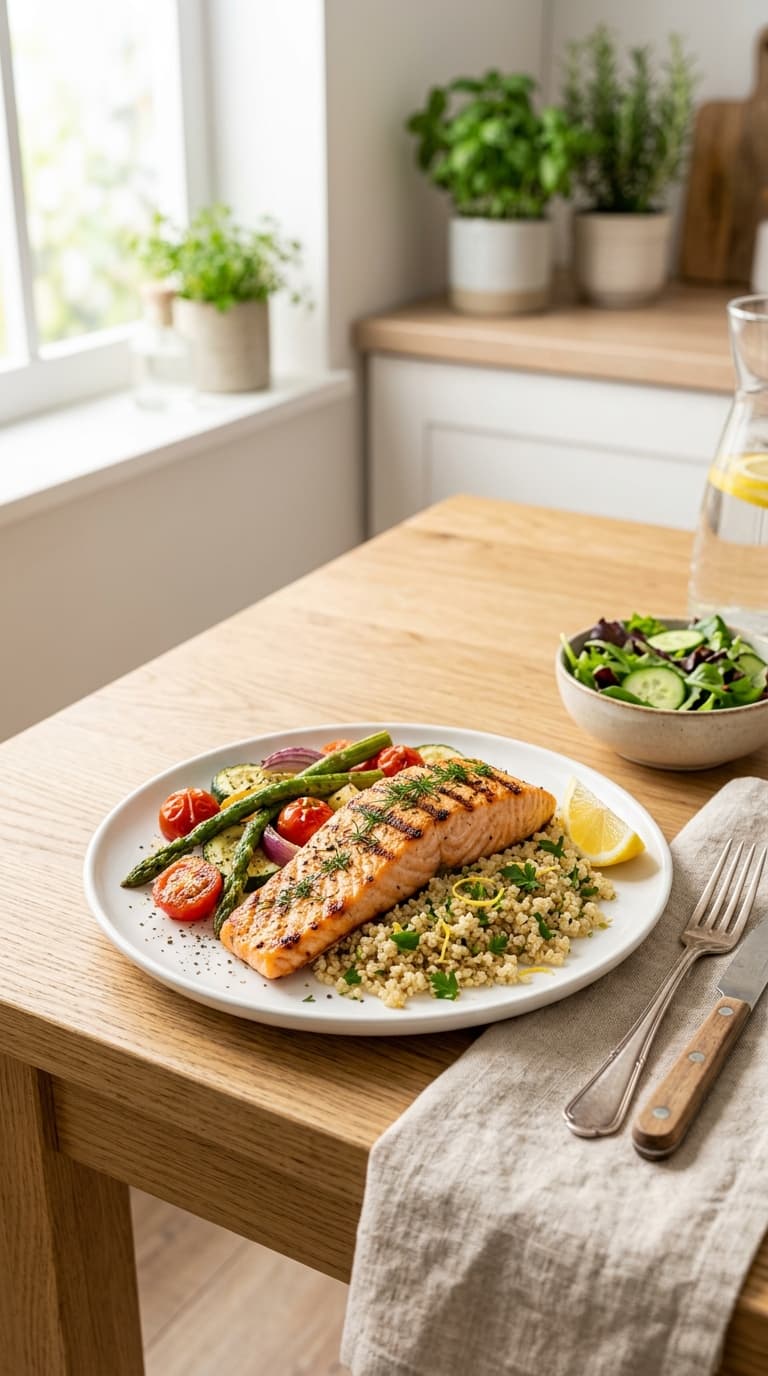
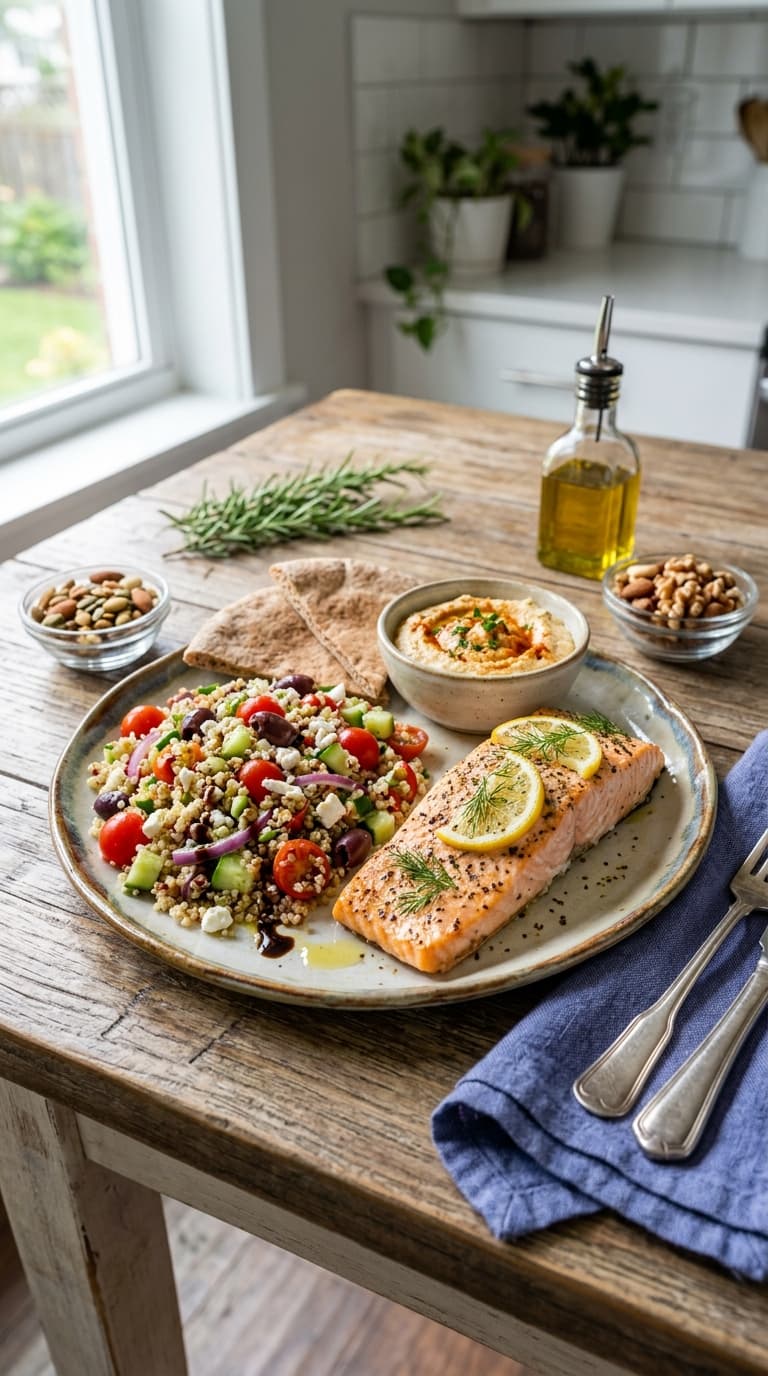
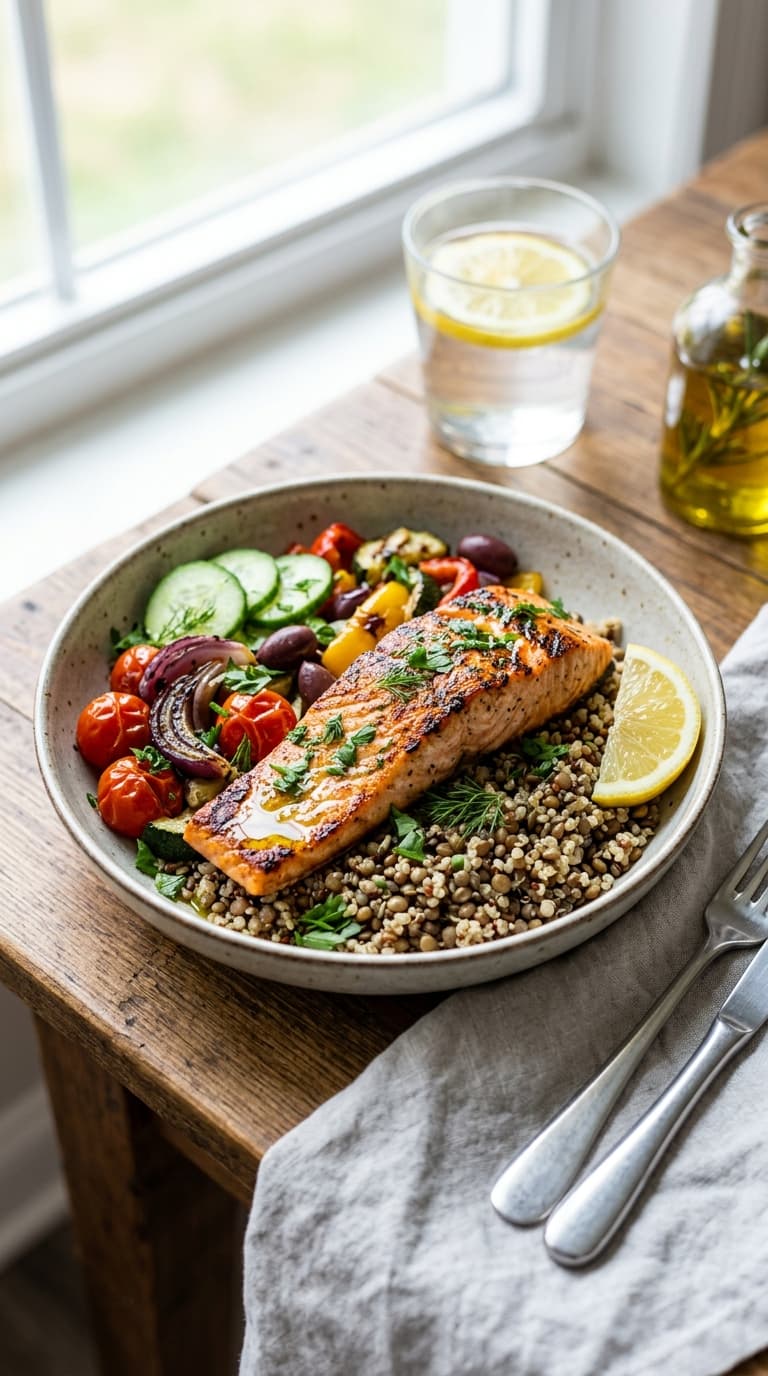
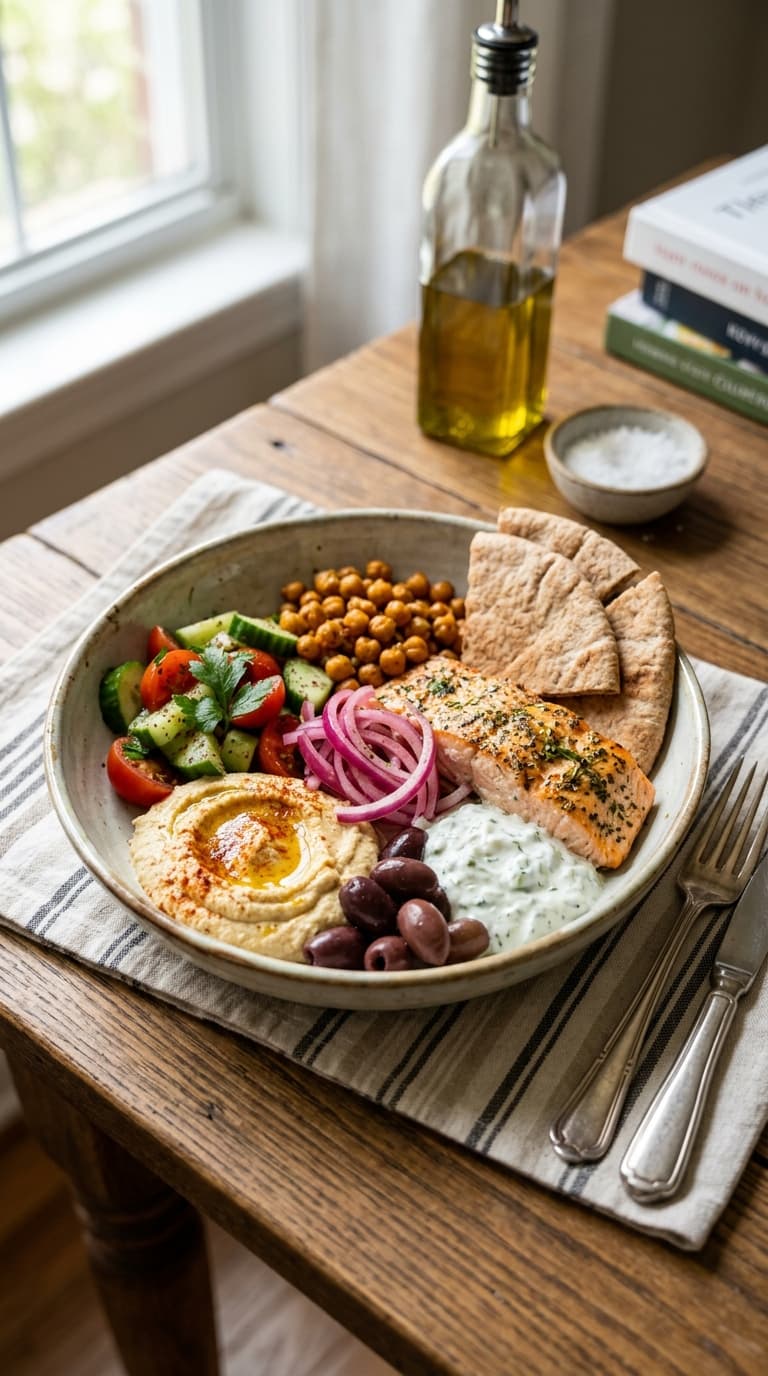
The best part? You’re not eating sad salads and counting calories. You’re eating roasted vegetables drizzled in olive oil, creamy hummus with whole grain pita, herb-crusted salmon, and handfuls of almonds. That’s not a punishment — that’s actually delicious food.
Start small, prep ahead, and build habits that stick. Your blood sugar — and your taste buds — will thank you.