Mediterranean Diet For Hypothyroidism: Foods That Support Your Thyroid
Mediterranean Diet For Hypothyroidism: Foods That Support Your Thyroid
Your thyroid is basically the manager of your entire body — and when it’s underperforming, everything feels off. Fatigue, weight gain, brain fog, cold hands… sound familiar? If you’re dealing with hypothyroidism, you already know how frustrating it is to feel like your body’s running on low battery all the time. Here’s the thing though: what you eat can actually make a real difference. And the Mediterranean diet? It might just be the most thyroid-friendly way of eating out there.
I’m not going to promise you a miracle cure — that would be both dishonest and deeply unhelpful. But I will tell you that after spending a lot of time researching thyroid health and experimenting with different ways of eating, the Mediterranean approach genuinely stands out. Let’s get into it.
What Is the Mediterranean Diet, Really?
You’ve probably heard this term thrown around a lot. But it’s not a strict meal plan — it’s more of a lifestyle approach to eating, inspired by the traditional diets of countries like Greece, Italy, and Spain.
The core of the Mediterranean diet looks like this:
- Lots of vegetables, fruits, legumes, and whole grains
- Healthy fats, especially olive oil
- Fish and seafood a few times a week
- Moderate amounts of poultry, eggs, and dairy
- Very little red meat and processed food
- Herbs and spices instead of heavy sauces
It’s colorful, it’s flavorful, and it’s the opposite of boring. IMO, it’s also one of the most sustainable ways to eat long-term — because you’re not cutting out entire food groups or surviving on sad salads.
Why the Mediterranean Diet Works for Hypothyroidism
Hypothyroidism means your thyroid gland isn’t producing enough thyroid hormone. This slows down your metabolism and affects basically every system in your body. While medication (usually levothyroxine) is the standard treatment, diet plays a supporting role that often gets overlooked.
The Mediterranean diet helps in several key ways:
- It’s rich in anti-inflammatory foods, which matters because autoimmune thyroid conditions like Hashimoto’s involve chronic inflammation
- It provides essential nutrients your thyroid needs to function — selenium, zinc, iodine, and iron
- It supports gut health, and there’s a growing connection between gut microbiome and thyroid function
- It helps with weight management, which is a common struggle for people with hypothyroidism
Think of it less as a “thyroid diet” and more as giving your whole body the best possible environment to function well. Your thyroid benefits from that along with everything else.
Foods That Actively Support Your Thyroid
Selenium-Rich Foods
Selenium is arguably the most important mineral for thyroid health. Your thyroid contains more selenium per gram of tissue than almost any other organ in your body. It helps convert T4 (inactive thyroid hormone) into T3 (the active form your body actually uses).
Great Mediterranean sources of selenium include:
- Brazil nuts — just 1-2 a day gives you your entire daily requirement
- Tuna and sardines
- Eggs
- Whole grains like barley and oats
Ever wondered why some people on thyroid medication still feel awful? Low selenium could be one piece of that puzzle.
Iodine-Rich Foods
Your thyroid literally cannot make thyroid hormone without iodine. It’s the raw material. The Mediterranean diet’s emphasis on seafood makes it naturally iodine-rich.
Top iodine sources to include:
- Cod, shrimp, and tuna
- Seaweed (in moderate amounts — more on this later)
- Greek yogurt and cheese
- Eggs
One thing to be careful about: too much iodine can actually worsen thyroid function, especially in people with Hashimoto’s. So you’re aiming for adequate, not excessive.
Zinc and Iron Sources
Both zinc and iron play important roles in thyroid hormone production and metabolism. Zinc helps your pituitary gland release TSH (thyroid-stimulating hormone), while iron is needed for the enzyme that makes thyroid hormones in the first place.
Good Mediterranean sources:
- Legumes like chickpeas and lentils (a staple in Mediterranean cooking)
- Pumpkin seeds
- Lean poultry
- Dark leafy greens like spinach
If you want some inspiration for putting these ingredients together in practical meals, these quick Mediterranean meal prep ideas for busy weeks are a solid place to start.
Omega-3 Fatty Acids
Chronic inflammation is a huge issue with autoimmune thyroid conditions, and omega-3 fatty acids are one of the most well-researched anti-inflammatory nutrients out there. The Mediterranean diet is loaded with them.
Sources to focus on:
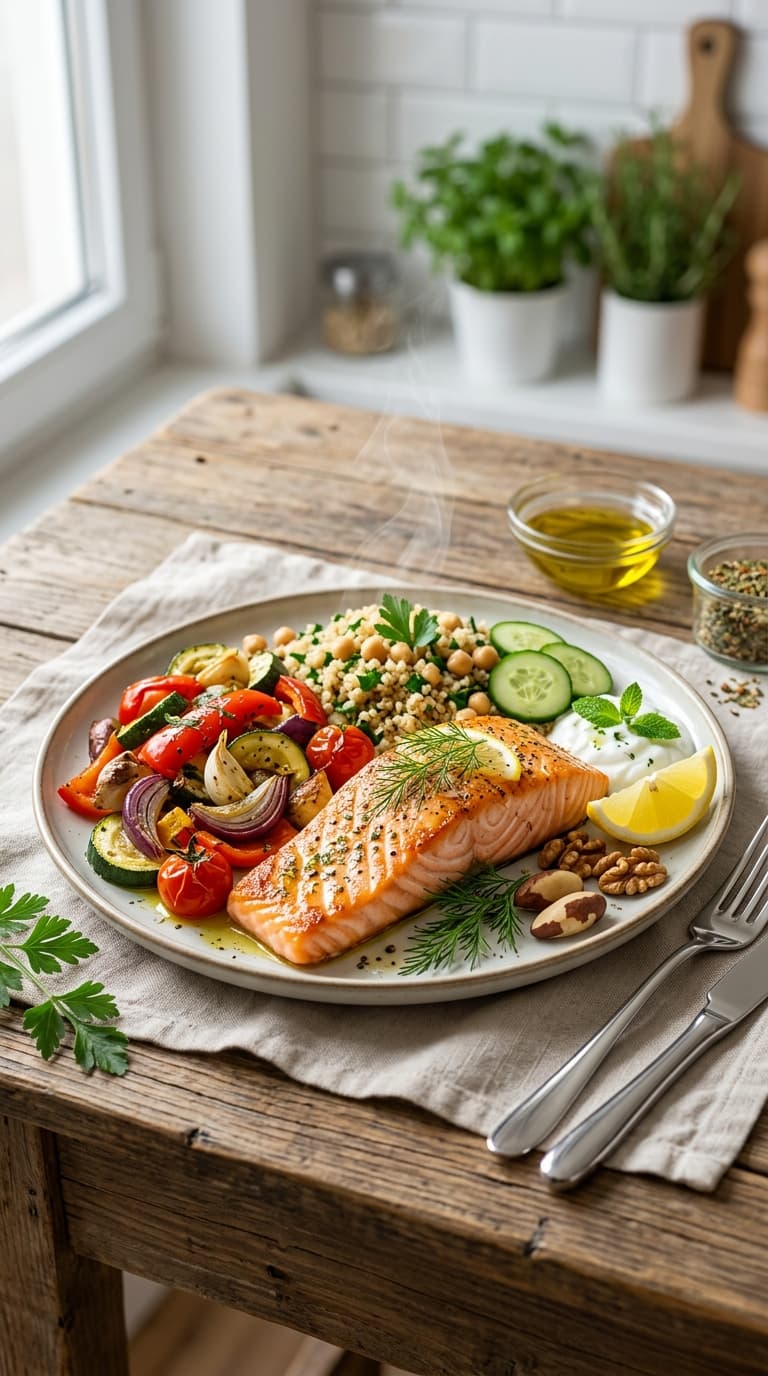
- Fatty fish like salmon, mackerel, and sardines
- Walnuts
- Flaxseeds
- Extra virgin olive oil
Aim for fatty fish at least twice a week. Your thyroid — and your whole cardiovascular system — will thank you.
Antioxidant-Packed Vegetables and Fruits
Oxidative stress is another factor that can damage thyroid tissue and worsen function. Antioxidants help neutralize this damage. Luckily, the Mediterranean diet is basically an antioxidant delivery system 🙂
Load up on:
- Leafy greens (spinach, kale, arugula)
- Berries (blueberries, strawberries)
- Tomatoes
- Bell peppers
- Olives and olive oil
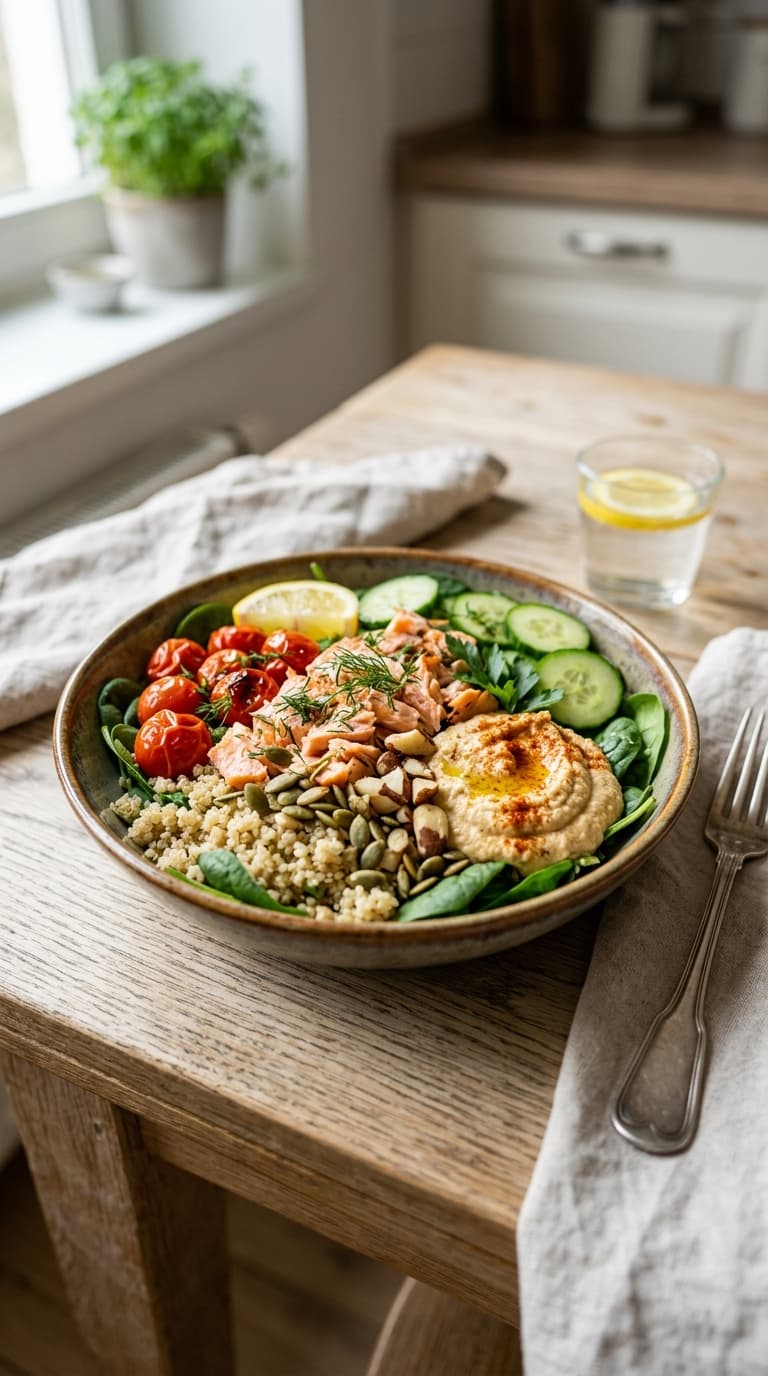
These are also deeply versatile — you can throw most of them into Mediterranean bowls you can prep in advance and eat well all week without much effort.
Foods to Be Careful With
Okay, here’s where it gets a little more nuanced. The Mediterranean diet is generally excellent for thyroid health, but a few foods need a second look when you have hypothyroidism.
Goitrogens — The Drama Around Cruciferous Vegetables
You’ve probably heard that broccoli, kale, and cabbage are “bad for your thyroid.” This is technically based in truth but massively overblown. These vegetables contain goitrogens, which are compounds that can interfere with iodine uptake in very high amounts.
Here’s the reality: unless you’re eating raw cruciferous vegetables in enormous quantities and you’re already iodine deficient, you don’t need to avoid them. Cooking significantly reduces goitrogenic activity. So steam your broccoli, sauté your kale, and stop stressing about it.
Gluten — Worth Paying Attention To
There’s a well-established connection between Hashimoto’s thyroiditis and celiac disease. Some people with autoimmune thyroid conditions feel noticeably better on a gluten-reduced or gluten-free diet, even without a celiac diagnosis.
The Mediterranean diet isn’t inherently gluten-free, but it’s easy to adapt. Swap regular pasta for chickpea pasta or rice, use quinoa instead of wheat-based grains, and focus on the naturally gluten-free elements of the cuisine.
Soy
Soy can interfere with thyroid hormone absorption, particularly if you’re taking levothyroxine. FYI, this doesn’t mean soy is evil — it just means timing matters. If you eat soy products, do it a few hours away from your medication.
The Mediterranean diet doesn’t rely heavily on soy anyway, so this usually isn’t a major issue.
Excessive Seaweed
Yes, I know I mentioned seaweed as a source of iodine earlier. But it’s worth flagging separately because some types of seaweed contain extremely high amounts of iodine. Too much iodine — especially from supplement-level quantities — can actually suppress thyroid function. Moderate, occasional seaweed is fine. Daily large servings, maybe not.
Building a Thyroid-Friendly Mediterranean Plate
So what does a typical day of eating look like when you’re combining Mediterranean principles with thyroid health in mind?
Breakfast ideas:
- Greek yogurt with berries, walnuts, and a drizzle of honey
- Scrambled eggs with spinach, tomatoes, and olive oil
- Overnight oats with flaxseeds and blueberries
If you want to make mornings easier, these Mediterranean breakfast meal prep recipes are genuinely worth bookmarking.
Lunch ideas:
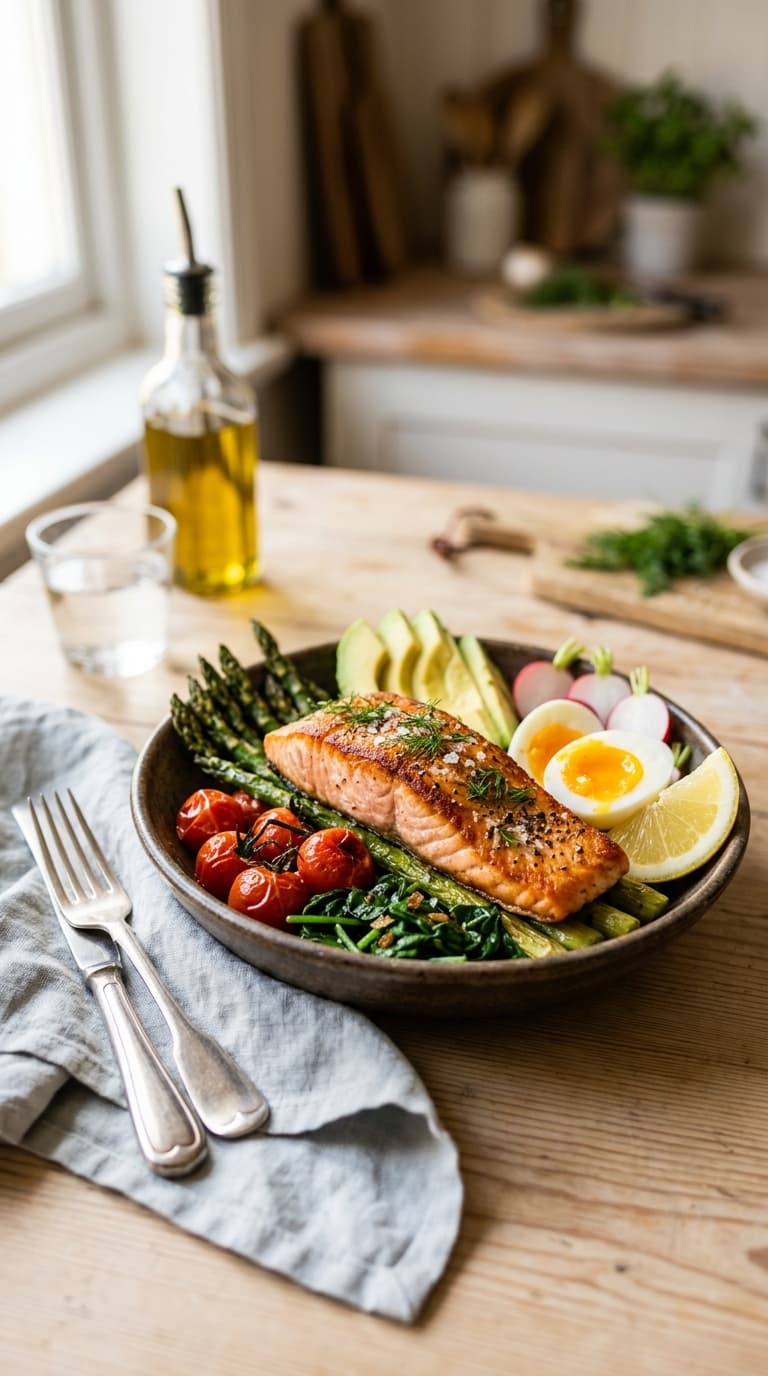
- Grilled salmon over a bed of arugula with olives, cucumber, and lemon
- Lentil soup with a side of whole grain bread
- Chickpea and roasted vegetable bowl with tahini dressing
For portable, work-friendly versions, check out these easy Mediterranean lunch boxes for work — practical, tasty, and zero excuses.
Dinner ideas:
- Baked cod with roasted bell peppers, tomatoes, and capers
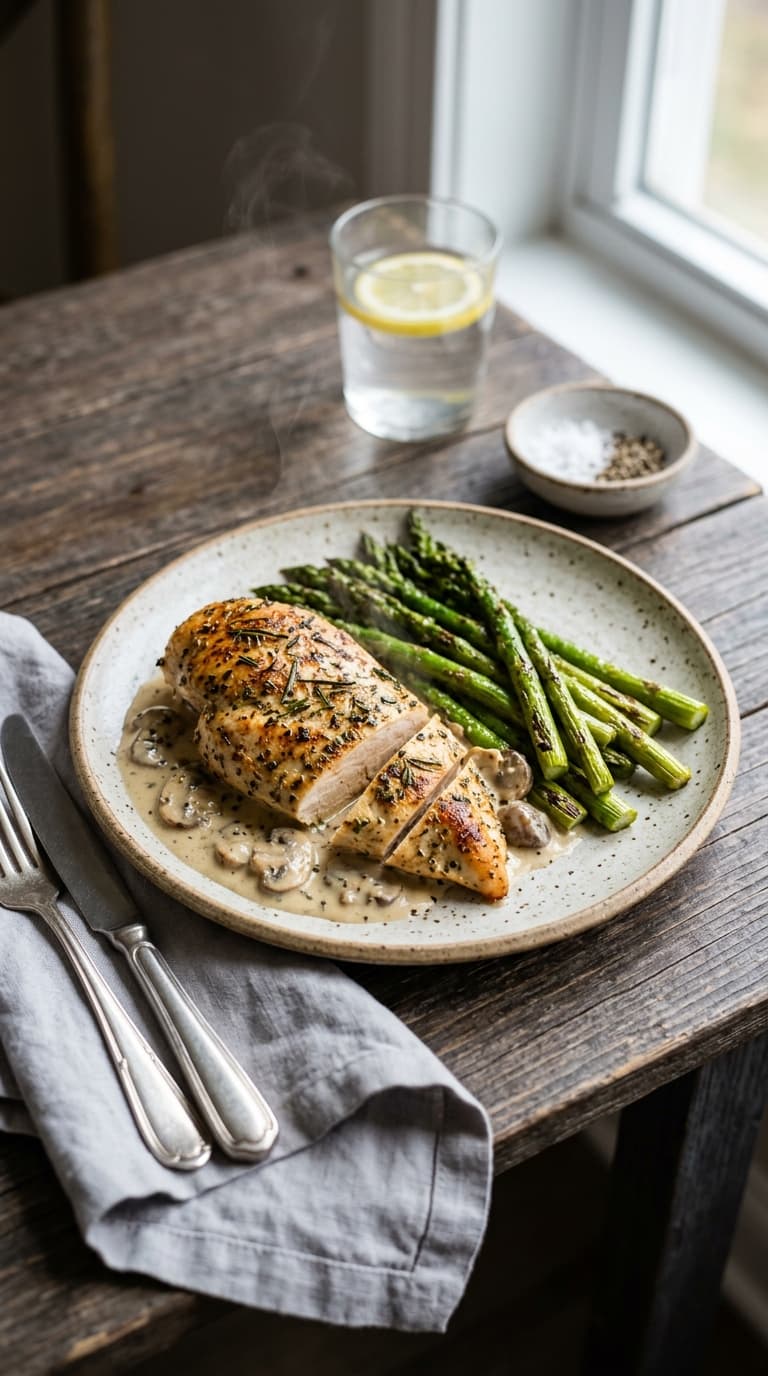
- Grilled chicken with a Greek salad and quinoa
- Stuffed peppers with brown rice, herbs, and feta
And if you want dinners that actually reheat well (because who has time to cook fresh every night?), these Mediterranean dinner preps that reheat beautifully solve that problem neatly.
Meal Prepping for Thyroid Health — Why It Actually Matters
Here’s something people don’t talk about enough: consistency matters more than perfection when it comes to thyroid-supportive eating. One amazing thyroid-friendly meal doesn’t do much. Eating well most of the time, week after week, is what moves the needle.
That’s where meal prep becomes genuinely powerful. When you’ve got a fridge full of good food, you’re way less likely to reach for processed junk that offers nothing your thyroid needs.
A solid 7-day Mediterranean meal prep plan can be a game-changer for building the kind of consistency that actually produces results. Pair it with a well-built Mediterranean grocery list and you’ve got a sustainable system.
If you want high-protein options that keep you full and support muscle mass (which tends to drop with hypothyroidism), these high-protein Mediterranean meal prep ideas are worth exploring too.
Lifestyle Factors That Work Alongside Your Diet
Diet is huge, but it’s not the whole picture. A few other factors significantly impact thyroid health:
- Sleep: Poor sleep raises cortisol, which can suppress thyroid function. Aim for 7-9 hours.
- Stress management: Chronic stress is genuinely harmful to thyroid hormone conversion. Meditation, walks, whatever works for you.
- Exercise: Moderate exercise supports thyroid function and helps with the metabolic slowdown that comes with hypothyroidism. Don’t overdo intense cardio though — that can increase cortisol.
- Medication timing: If you take levothyroxine, take it on an empty stomach and wait at least 30-60 minutes before eating. Coffee, calcium, and iron supplements can all interfere with absorption.
A Note on Supplements
Some supplements are commonly discussed in the context of thyroid health — selenium, zinc, vitamin D, and magnesium in particular. Vitamin D deficiency is extremely common in people with Hashimoto’s and worth getting tested for.
That said, always talk to your doctor before adding supplements, especially if you’re on thyroid medication. More isn’t always better, and some supplements genuinely interact with thyroid hormones or medications. Get your levels tested, work with a healthcare provider, and use food as your foundation.
Putting It All Together
Here’s the honest summary: the Mediterranean diet isn’t a thyroid cure, and anyone claiming otherwise :/ is overselling it. But it is one of the most nutrient-dense, anti-inflammatory, and genuinely sustainable ways to eat — and those properties directly support thyroid health and overall wellbeing when you’re managing hypothyroidism.
The key takeaways:
- Prioritize selenium (especially from Brazil nuts and seafood), iodine from fish and dairy, zinc from legumes, and omega-3s from fatty fish and olive oil
- Don’t fear cruciferous vegetables — just cook them
- Watch your gluten and soy intake if you have Hashimoto’s
- Meal prep is your best friend for building long-term consistency
- Address sleep, stress, and medication timing alongside your diet
Start small. Swap one meal a week, then two. Build a grocery list around Mediterranean staples. Prep a batch of balanced Mediterranean bowls on Sunday and see how different your week feels when good food is already waiting for you.
Your thyroid does a lot for you. Feeding it well is the least you can do in return.