Mediterranean Diet Olive Oil Guide (How To Use It Right)
Mediterranean Diet Olive Oil Guide (How To Use It Right)
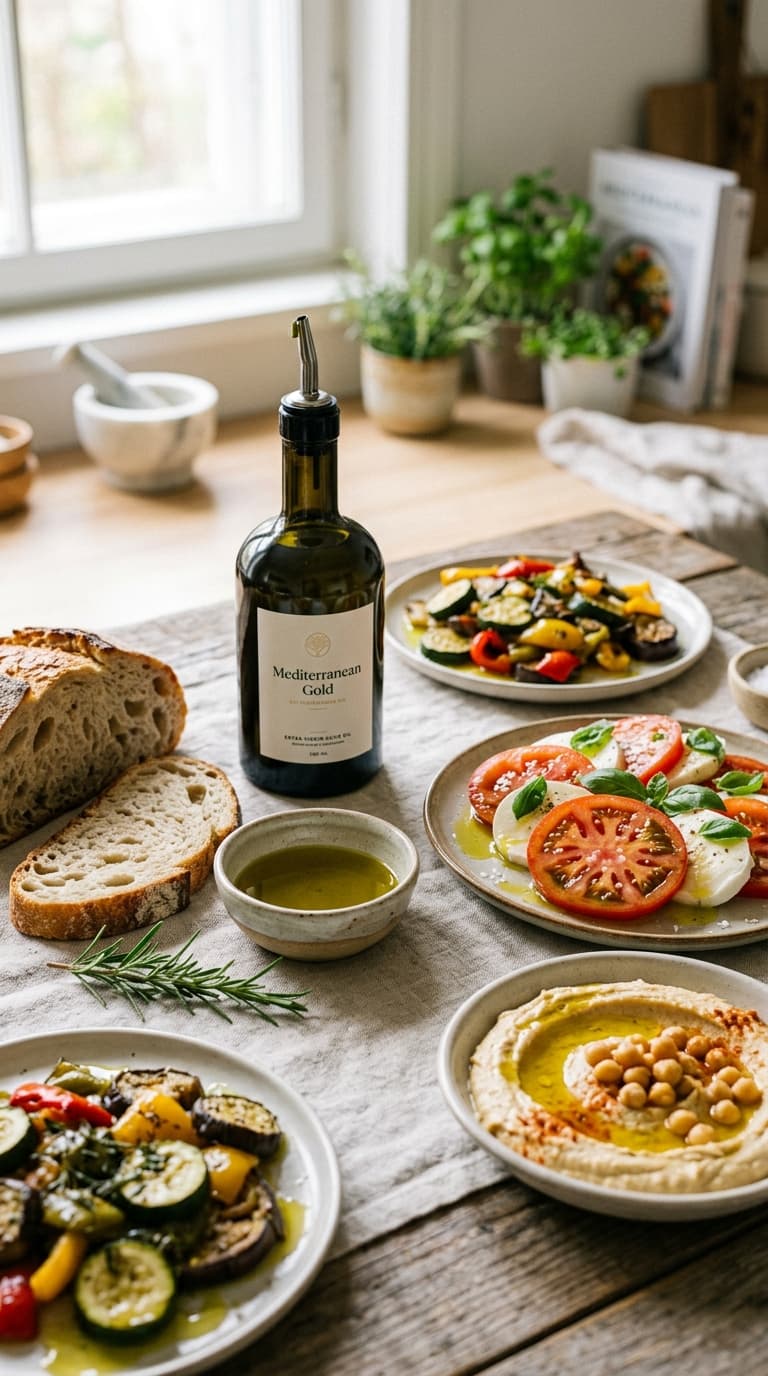
Let’s be real — not all olive oil is created equal, and if you’ve been grabbing whatever’s cheapest off the shelf, we need to talk. Olive oil is the backbone of the Mediterranean diet, and using it right can completely change how your food tastes and how your body feels. I’ve been cooking with it for years, and trust me, once you understand the basics, you’ll never look at that generic bottle the same way again.
Why Olive Oil Is the Star of the Mediterranean Diet
The Mediterranean diet isn’t just a trend. It’s one of the most researched, most praised eating patterns in the world — and olive oil sits right at the center of it. People in Greece, Italy, and Spain have been drizzling this liquid gold on everything for thousands of years, and their health outcomes kind of speak for themselves.
Extra virgin olive oil (EVOO) is the gold standard here. It’s cold-pressed, minimally processed, and packed with polyphenols — those powerful antioxidants that help reduce inflammation and protect your heart. When you commit to the Mediterranean lifestyle, you’re essentially committing to making EVOO your main cooking fat.
The difference between EVOO and regular vegetable oil isn’t just marketing fluff. It’s genuinely significant. You’re trading refined, processed fats for something that your body actually knows what to do with.
How To Choose the Right Olive Oil (This Part Actually Matters)
Walk into any grocery store and you’ll see about fifteen different olive oil options. Some say “pure,” some say “light,” some say “extra virgin.” So what do you actually grab?
Extra Virgin vs. Regular — The Real Difference
- Extra virgin olive oil: Cold-pressed, no heat or chemicals used, highest polyphenol content, distinct flavor
- Virgin olive oil: Slightly lower quality, still cold-pressed but with minor defects
- Pure/light olive oil: Refined using heat and chemicals, neutral flavor, very few antioxidants left
- Pomace olive oil: Made from olive paste leftover after pressing — the lowest grade, skip this one
IMO, if you’re eating Mediterranean-style, the only one worth buying regularly is extra virgin. Everything else kind of defeats the purpose.
What To Look For on the Label
Don’t just grab the bottle with the olive branch illustration and call it a day. Here’s what actually matters:
- Harvest date (not just “best by”) — fresher is better, ideally within 18 months of harvest
- Country of origin — single-origin oils from Greece, Italy, or Spain tend to be higher quality
- Dark glass or tin packaging — light degrades olive oil, so clear bottles are a red flag
- PDO or PGI certifications — these indicate protected origin and quality standards
I once bought a fancy-looking bottle with zero harvest date on it, and it tasted like nothing. Lesson learned the slightly expensive way :/
The Smoke Point Debate — What You Actually Need To Know
Here’s where a lot of people get confused. You’ve probably heard that olive oil has a low smoke point and shouldn’t be used for high-heat cooking. That’s… not entirely true.
Extra virgin olive oil has a smoke point of around 375–405°F (190–207°C). That’s perfectly fine for sautéing, roasting, and even pan-frying at moderate heat. The myth that you can only use it as a drizzle on salads needs to officially retire.
When High Heat Is Fine
- Sautéing vegetables at medium heat ✓
- Roasting at 400°F or below ✓
- Making sauces and sofrito-style bases ✓
- Pan-searing fish or chicken at medium-high ✓
When You Might Want Something Else
- Deep frying at 450°F+ (though even here, EVOO holds up better than many people think)
- Very prolonged high-heat cooking where you’ll torch through a cup of oil
The polyphenols in good EVOO actually protect the oil from oxidizing at moderate heat, which means it’s more stable than many refined oils, not less. Science is cool like that.
How To Actually Use Olive Oil the Mediterranean Way
Here’s the thing — Mediterranean cooking isn’t about using a tiny drizzle of olive oil and calling yourself healthy. In traditional Mediterranean kitchens, olive oil is used generously and frequently. We’re talking 2–4 tablespoons per meal, sometimes more.
For Cooking
Start your pan with a good pour of EVOO before adding aromatics like garlic, onion, or shallots. Let them soften in the oil over medium heat. This is the flavor foundation for almost every Mediterranean dish. The oil picks up those flavors and carries them through the entire dish.
If you’re building quick Mediterranean meal prep ideas for busy weeks, this technique will save you every single time. Good oil + good aromatics = everything tastes better with almost zero effort.
For Dressings and Raw Applications
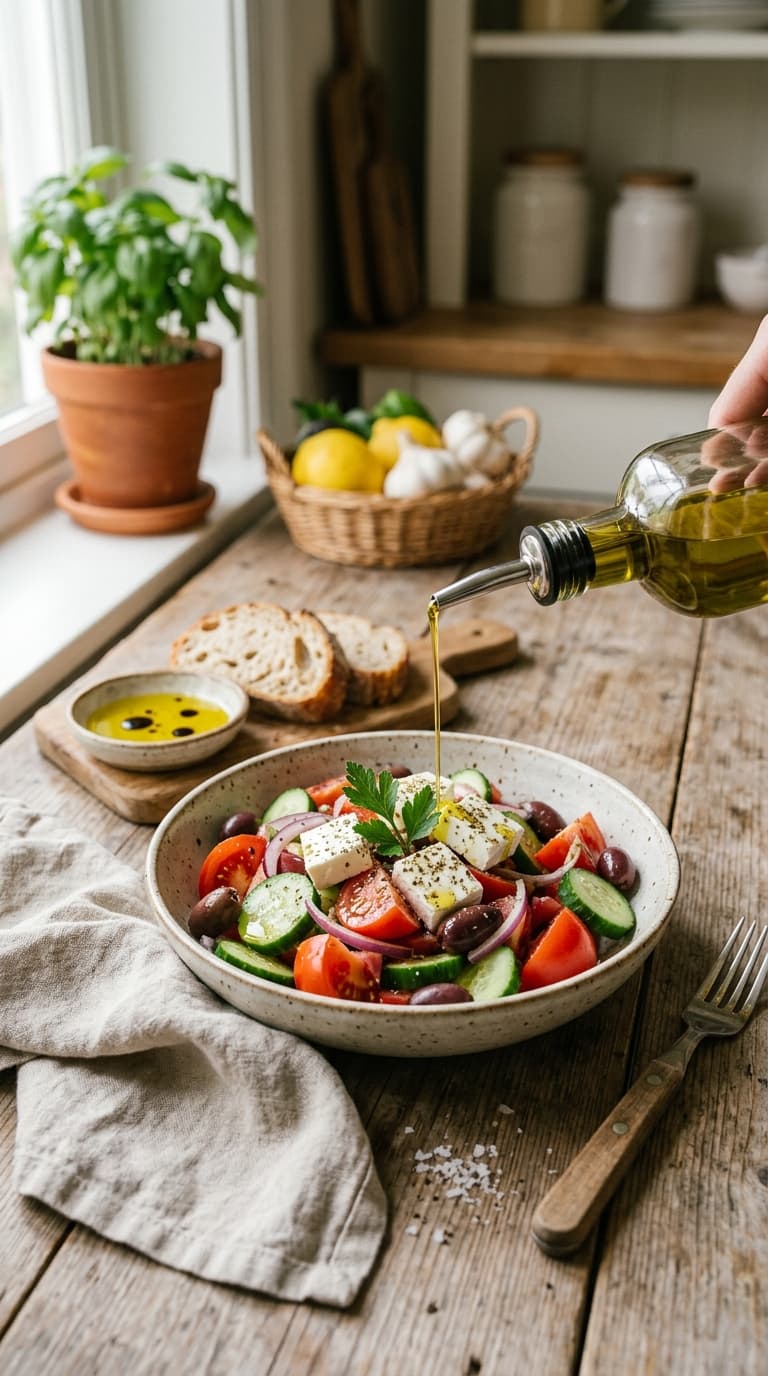
This is where your best bottle shines. A high-quality EVOO drizzled raw over a salad, hummus, or grilled bread will taste completely different from one that’s been heated. You’ll actually taste the pepper, grass, or fruitiness depending on the variety.
- Whisk with lemon juice, garlic, and herbs for a simple vinaigrette
- Drizzle over roasted vegetables right before serving
- Add a finishing pour over soups or grain bowls
- Use as a dip with good bread and flaky sea salt
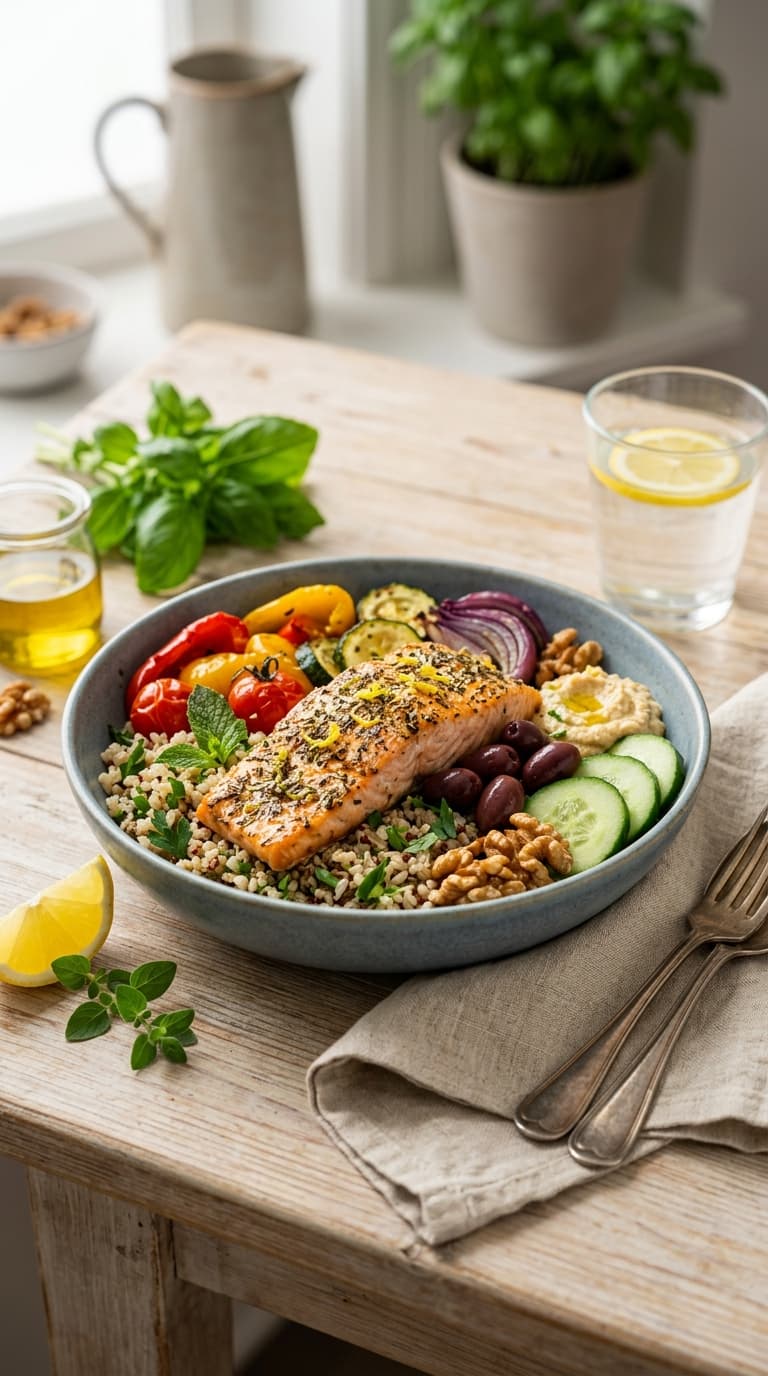
If you’re putting together Mediterranean bowls you can prep in advance, always add your olive oil dressing right before eating rather than mixing it in during storage. It keeps everything fresher and the flavors more vibrant.
For Bread Dipping
Classic move, zero shame in it. Pour EVOO into a shallow bowl, add a pinch of flaky salt, some dried oregano or red pepper flakes, and go to town. This is technically a legitimate Mediterranean tradition, not just a restaurant gimmick.
How Much Olive Oil Should You Use Daily?
The Mediterranean diet doesn’t count calories in the traditional sense, but most research points to 2–4 tablespoons of olive oil per day as the sweet spot for health benefits. That might sound like a lot if you’re used to spritzing your pan with cooking spray, but this is genuinely how people eat in Mediterranean regions.
Studies consistently show that regular olive oil consumption is linked to lower rates of cardiovascular disease, cognitive decline, and certain cancers. The Lyon Diet Heart Study, one of the most cited nutrition studies ever, found dramatic reductions in heart attacks among people following a Mediterranean-style diet rich in olive oil.
Don’t be afraid of the fat here. These are monounsaturated fats and polyphenols — your body handles them completely differently than saturated animal fats or refined vegetable oils.
Pairing Olive Oil With Mediterranean Staples
Part of using olive oil right is knowing what it pairs with. The Mediterranean diet is loaded with ingredients that genuinely love EVOO — and when you match them properly, the result is something pretty special.
The Best Pairings
- Legumes: Lentils, chickpeas, and white beans drizzled with EVOO and lemon are a staple. The oil softens the earthiness and makes the whole dish feel richer.
- Leafy greens: Sautéed or raw, greens like spinach, arugula, and Swiss chard work beautifully with olive oil
- Fish and seafood: A simple piece of fish cooked in good olive oil with garlic and herbs needs nothing else
- Whole grains: Farro, bulgur, and quinoa tossed with olive oil and herbs carry flavors incredibly well
If you’re building easy Mediterranean lunch boxes for work, olive oil-dressed grains hold up really well even after a few hours in the fridge without getting soggy or bland.
Storing Olive Oil the Right Way
You’ve bought a great bottle. Don’t ruin it by leaving it next to your stove in direct light. Heat, light, and air are the three enemies of good olive oil.
Storage Rules That Actually Matter
- Keep it in a dark cupboard, away from the stove and windows
- Use dark glass or tin — if it came in a clear bottle, transfer it
- Don’t refrigerate — it’ll solidify and while it won’t hurt the oil, the condensation when it warms up isn’t great
- Buy in smaller quantities if you don’t cook often — a giant jug you’ll use over 18 months will go rancid before you finish it
- Smell it — rancid olive oil smells like crayons or old wax. You’ll know. Toss it without guilt.
FYI, a good bottle of EVOO typically stays fresh for about 18–24 months from the harvest date if stored properly. After opening, aim to use it within 6–8 weeks for peak flavor.
Mediterranean Olive Oil and Meal Prep — A Match Made in Heaven
Here’s something I genuinely love about this eating style: olive oil makes meal prep so much easier. When you cook grains, roast vegetables, or marinate proteins in EVOO, everything stores better, reheats more evenly, and actually tastes good on day three.
For anyone building out a 7-day Mediterranean meal prep plan, olive oil is your MVP. It keeps roasted vegetables from drying out, helps grains stay fluffy instead of clumping, and carries flavor through the whole container.
If you’re also focused on hitting protein goals, pairing olive oil with high-protein Mediterranean prep ideas works beautifully — think olive oil-poached salmon, white beans sautéed in garlic and EVOO, or grilled chicken marinated in lemon and oil overnight.
And if you’re watching calories, don’t stress — olive oil in reasonable amounts actually supports satiety, meaning you eat less overall. Those Mediterranean bowls for fat loss hit different when they’re dressed with a good EVOO and citrus combo.
Common Olive Oil Mistakes People Make
Let’s run through the biggest olive oil errors quickly, because some of these are genuinely holding people back.
- Using old oil: Rancid oil doesn’t just taste bad — it actually contains harmful compounds. Freshness matters.
- Buying “light” olive oil thinking it’s healthier: Light refers to flavor and color, not calories. It’s actually more processed with fewer nutrients.
- Heating it to the point of smoking: If your oil is smoking, you’ve gone too far and started breaking down its beneficial compounds.
- Using it sparingly out of fat-fear: This one genuinely makes me sad. Olive oil is the good fat. Use it with confidence.
- Ignoring taste: If your olive oil tastes like nothing, that’s a problem. Good EVOO has flavor — sometimes grassy, sometimes peppery, sometimes buttery. Explore and find what you love.
How To Build Your Olive Oil Habit
Getting into the Mediterranean diet rhythm with olive oil is honestly pretty simple once you stop overthinking it. Pick one good bottle of EVOO — something with a harvest date, in dark glass, from a reputable region. Use it daily.
Cook your eggs in it. Dress your salads with it. Roast your vegetables in it. Drizzle it on your soup. It doesn’t take long before it becomes second nature, and when it does, your cooking will quietly get so much better.
If you need a roadmap, the Mediterranean grocery list guide is a great starting point for stocking your kitchen with everything you need, EVOO included, without overcomplicating anything.
Wrapping It Up
Olive oil isn’t just an ingredient — in the Mediterranean diet, it’s a philosophy. It’s the idea that fat isn’t the enemy, that real food cooked simply with quality ingredients is always going to win, and that eating well doesn’t have to be complicated or joyless.
Use good EVOO. Use it often. Store it right, buy it fresh, and don’t be scared of using a proper pour. Your heart, your tastebuds, and honestly your whole relationship with food will thank you for it.
Now go check that harvest date on whatever bottle’s sitting in your cupboard. If it’s been in there since 2022… you already know what to do 🙂