
Dirty Keto Vs Clean Keto: What’s The Difference?
Dirty Keto Vs Clean Keto: What’s The Difference?

So you’ve heard about keto, maybe even tried it, and now someone throws “dirty keto” and “clean keto” at you like they’re two completely different diets. Spoiler: they kind of are. If you’ve been scratching your head wondering which one actually works — or which one you’ve accidentally been doing — you’re in the right place. Let me break this down in plain English, no nutrition degree required.
What Is Keto, Anyway?
Before we get into the dirty vs clean debate, let’s make sure we’re on the same page about keto basics. The ketogenic diet is a high-fat, moderate-protein, very low-carb eating plan that pushes your body into a metabolic state called ketosis. In ketosis, your body burns fat for fuel instead of glucose. Simple enough, right?
The typical macro split looks something like this:
- Fat: 70–75% of daily calories
- Protein: 20–25% of daily calories
- Carbs: 5–10% (usually under 20–50g net carbs per day)
Both dirty and clean keto follow these same macro targets. The difference lies entirely in what foods you use to hit those numbers. And trust me, that distinction matters more than most people think.
What Is Clean Keto?
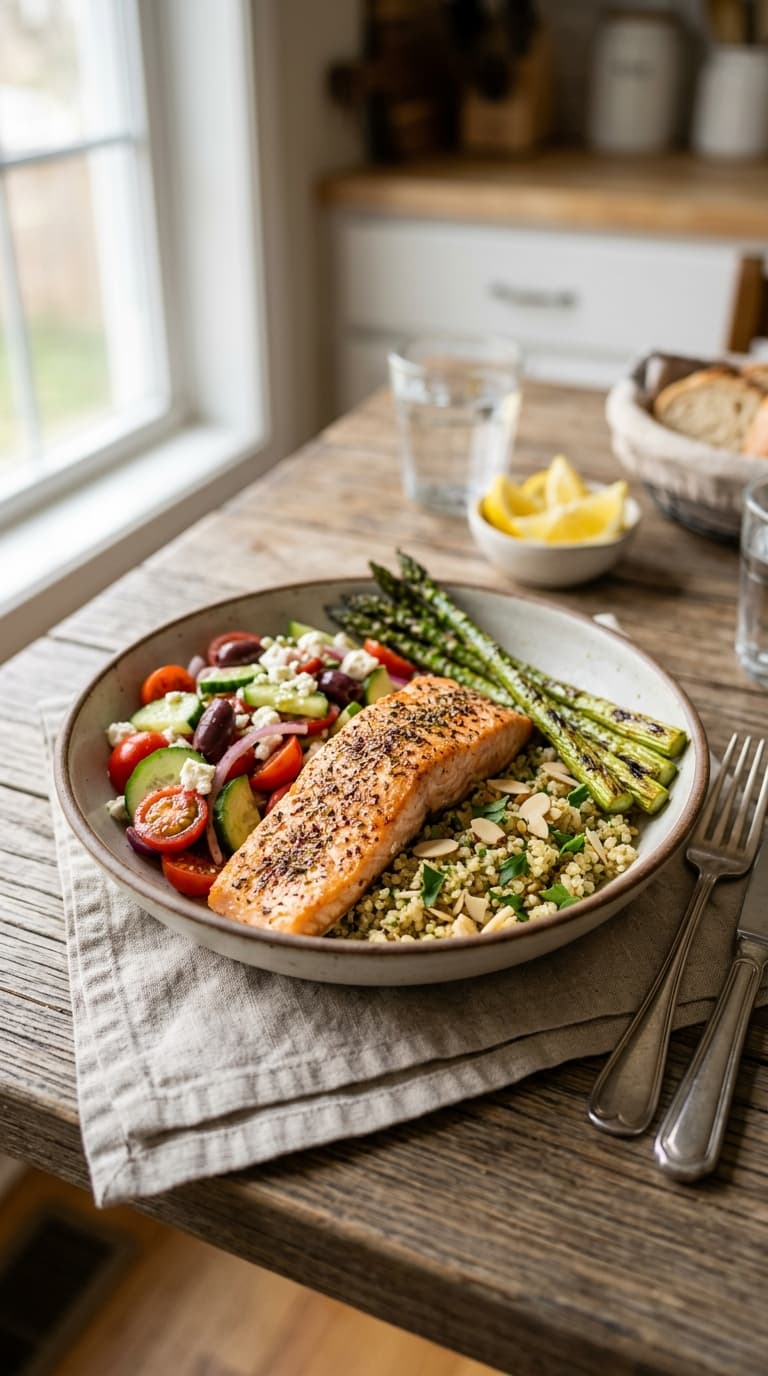
Clean keto is basically keto with its act together. It focuses on whole, nutrient-dense, minimally processed foods to hit your fat and protein targets. Think avocados, grass-fed beef, wild-caught salmon, eggs, leafy greens, nuts, seeds, and olive oil.
Clean keto enthusiasts care about where their food comes from and what’s in it, not just the macro numbers on the label. It’s the kind of eating approach that feels genuinely nourishing rather than just “technically keto.”
What Clean Keto Looks Like on a Plate
A typical clean keto day might include:
- Breakfast: Scrambled eggs cooked in butter with spinach and avocado
- Lunch: Grilled salmon over arugula with olive oil and lemon
- Dinner: Grass-fed steak with roasted broccoli and a side of sauerkraut
- Snacks: A handful of macadamia nuts or full-fat Greek yogurt
Notice there’s no ingredient list longer than your arm. No mystery powders, no “keto-friendly” candy bars that somehow contain 47 ingredients. Just real food that happens to be low-carb. Clean keto pairs naturally with the kind of intentional eating you’ll find in clean girl meal prep ideas — structured, wholesome, and actually satisfying.
What Is Dirty Keto?
Dirty keto is the rebel cousin. It hits the same macro targets as clean keto but doesn’t care much about food quality. As long as the carbs stay low, anything goes. That means fast food bunless burgers, processed cheese slices, bacon every single meal, keto packaged snacks loaded with artificial sweeteners, and diet sodas by the gallon.
IMO, dirty keto gets a bad reputation that’s partly deserved and partly unfair. On one hand, yes — eating fast food and calling it a diet plan isn’t exactly a wellness strategy. On the other hand, it works for some people as a transitional approach when life gets chaotic.
What Dirty Keto Looks Like on a Plate
A typical dirty keto day might include:
- Breakfast: Bacon, egg, and cheese from a drive-through (no bun, obviously)
- Lunch: Pepperoni slices and processed mozzarella sticks
- Dinner: Fast food double cheeseburger, lettuce-wrapped
- Snacks: Store-bought pork rinds and a sugar-free energy drink
Macros might check out perfectly. Nutrients? That’s a different story. And that gap between “technically keto” and “actually healthy” is where the whole debate lives.
The Core Differences: Clean Keto vs Dirty Keto
Let’s put them side by side so you can see exactly what separates these two approaches.
Food Quality
Clean keto prioritizes whole, unprocessed foods. Dirty keto relies heavily on convenience foods, processed meats, and packaged low-carb products. This is the biggest difference, full stop.
Clean keto gives you micronutrients — vitamins, minerals, antioxidants, fiber — that processed foods simply can’t replicate. Dirty keto can leave you hitting your macros while running dangerously low on actual nutrition.
Ingredient Transparency
With clean keto, you generally know exactly what you’re eating. With dirty keto, you might be consuming preservatives, artificial sweeteners, seed oils, and additives that could be quietly working against your health goals.
Artificial sweeteners, for example, are a big part of dirty keto culture. They keep carbs low while satisfying sweet cravings — but research suggests they may affect gut bacteria, insulin response, and hunger signals in ways we’re still figuring out.
Sustainability and How You Feel
Here’s a real talk moment: how you feel on keto matters. Many people who try dirty keto report energy crashes, digestive issues, and stubborn inflammation — even while losing weight on the scale. Clean keto tends to produce more stable energy, clearer skin, and better digestion because the food quality supports overall health, not just fat loss.
Cost and Convenience
Let’s be honest — clean keto can be expensive. Grass-fed beef and wild-caught salmon don’t come cheap. Dirty keto wins the convenience and budget battle easily. A bunless fast food burger costs $5. A grass-fed ribeye costs considerably more.
This is where meal prepping becomes your best friend. If you plan ahead and batch cook on weekends, clean keto becomes way more doable without destroying your wallet. A solid 5-day meal prep bowl plan can stretch your ingredients further and keep you eating clean even through the craziest weeks.
Does Dirty Keto Still Work for Weight Loss?
Here’s the honest answer: yes, dirty keto can produce weight loss results. Ketosis is ketosis. If your carbs stay low enough to keep your body burning fat for fuel, the scale will likely move — regardless of whether those fats came from avocados or fast food.
But weight loss and health are not the same thing. You can lose weight eating poorly. The question is what’s happening to your inflammation levels, your gut health, your cholesterol composition, your energy, and your long-term metabolic function. Those metrics don’t show up on the scale.
Think of it this way: dirty keto gets you to the destination but takes the bumpy back road. Clean keto takes the highway. 🙂
Does Food Quality Actually Matter on Keto?
This is where people get genuinely divided, and I think both sides make fair points.
The pro-dirty-keto argument goes like this: strict clean keto is so demanding that most people fail it completely. If dirty keto keeps someone consistently low-carb, the food quality compromise might be worth the trade-off. A sustainable imperfect diet beats an unsustainable perfect one every time.
The pro-clean-keto argument says that food quality isn’t just about macros — it’s about feeding your cells, gut microbiome, hormones, and brain what they actually need to function well. Processed foods, seed oils, and artificial ingredients create a different kind of metabolic stress even when carbs are low.
FYI, the research increasingly supports the idea that what you eat matters as much as how much you eat of each macronutrient. So while dirty keto might get results short-term, clean keto tends to produce better outcomes for long-term health and energy.
Who Should Try Clean Keto?
Clean keto works best for people who:
- Want more than just weight loss — think better energy, clearer skin, reduced inflammation
- Already have a solid meal prep routine and enjoy cooking
- Have the time and budget to source quality ingredients
- Deal with autoimmune issues, hormonal imbalances, or digestive problems that benefit from cleaner eating
- Are using keto as a long-term lifestyle rather than a quick fix
If you’re looking to get into a rhythm with clean, structured keto eating, starting with easy keto meal prep ideas gives you a practical launchpad without the overwhelm.
Who Might Benefit From Dirty Keto?
Dirty keto actually makes sense for certain situations:
- Beginners who are just learning to navigate low-carb eating and don’t want to overhaul their entire food system overnight
- People in weight-loss-focused phases where adherence matters most
- Travelers or people with unpredictable schedules who can’t always meal prep
- Anyone using keto primarily as a short-term tool rather than a permanent lifestyle change
- People transitioning into clean keto who need flexibility during the adjustment period
The key is to see dirty keto as a stepping stone, not a permanent address. :/
How to Transition From Dirty Keto to Clean Keto
Ready to clean things up? Good news: you don’t have to overhaul everything overnight. Here’s a simple progression:
Step 1 — Swap one dirty food at a time. Replace processed cheese with real aged cheese. Swap seed oil cooking for butter or olive oil. Small swaps compound fast.
Step 2 — Add more vegetables. Dirty keto often skips vegetables because carbs. But leafy greens, zucchini, and broccoli are all keto-friendly and pack serious nutritional value.
Step 3 — Start meal prepping. This is genuinely the game-changer. When real food is already prepped and waiting in your fridge, grabbing fast food becomes the less convenient option. Keto breakfast preps are a great starting point — nail mornings and the rest of the day tends to follow.
Step 4 — Upgrade your protein sources. Move from processed deli meats toward whole cuts of meat, eggs, and fish. Your body will feel the difference within a week or two.
Step 5 — Ditch the artificial sweeteners gradually. This one’s tough but worth it. Your palate adjusts faster than you’d expect.
A Note on Keto Snacking
Whether you’re doing dirty or clean keto, snacking deserves a dedicated mention because it’s where people tend to drift off track. Dirty keto snacks are everywhere — packaged, marketed, and designed to be irresistible. Clean keto snacks take more planning but pay off more.
Some genuinely great clean keto snacks:
- Hard-boiled eggs
- Celery with almond butter
- Cucumber slices with full-fat cream cheese
- A small handful of walnuts or pecans
- Olives
If you love having prepped snacks ready to grab, keto snacks you can prep in advance are worth bookmarking. Having options ready means you won’t hit 3pm desperation and reach for whatever’s closest.
The Bottom Line
Dirty keto and clean keto both keep carbs low enough to maintain ketosis — but they diverge significantly on food quality, nutrient density, and long-term health outcomes. Dirty keto offers flexibility, convenience, and a lower barrier to entry. Clean keto offers better nutrition, more sustainable energy, and greater overall health benefits.
Neither is inherently evil. Dirty keto used intentionally as a transition phase makes sense. Clean keto as a long-term lifestyle makes even more sense.
Here’s my honest take: if you’re going to commit to keto — really commit — you might as well eat in a way that makes you feel genuinely good, not just technically compliant. Hit those macros, sure. But fill them with food that actually nourishes you.
Start where you are. Swap what you can. Prep ahead when possible. And if you need a structured starting point, a full 7-day keto meal prep plan takes all the guesswork out of the first week.
Your keto journey doesn’t have to be perfect from day one. It just has to be honest — and pointed in the right direction.