Mediterranean Diet: 10 Mistakes Beginners Make (And How To Avoid)
Mediterranean Diet: 10 Mistakes Beginners Make (And How To Avoid)
So you’ve decided to try the Mediterranean diet. Good call — honestly, it’s one of the most sustainable, delicious, and research-backed ways of eating out there. But here’s the thing: a lot of people jump in with the best intentions and then quietly wonder why they’re not seeing results, feeling better, or actually enjoying the process.
Sound familiar? You’re not alone. The Mediterranean diet looks simple on the surface — eat more olive oil, veggies, fish, and whole grains, right? But there are some sneaky mistakes that trip up beginners almost every single time. I’ve been there myself, staring at a plate of plain chickpeas thinking, “Wait, is this it?”
Let’s fix that. Here are the 10 most common mistakes beginners make on the Mediterranean diet — and exactly how to avoid them.
1. Treating It Like a Strict Diet Instead of a Lifestyle
This is probably the biggest one. People approach the Mediterranean diet the same way they approach every other diet — with rigid rules, tracking every gram, and mentally punishing themselves for eating a cookie. That’s not the vibe here at all.
The Mediterranean diet is a lifestyle, not a restriction plan. The people in Greece, Italy, and Spain who inspired this way of eating aren’t obsessing over macros. They’re sitting down with family, eating slowly, enjoying wine occasionally, and moving their bodies naturally.
- Stop looking for a “cheat day” — that mentality doesn’t belong here
- Focus on patterns over perfection
- Enjoy your food without guilt
The moment you treat it like a punishment, you’ve already missed the point.
2. Drowning Everything in Olive Oil (Yes, That’s a Thing)
Okay, I know. Every Mediterranean diet article tells you to use olive oil generously. And yes, extra virgin olive oil is genuinely one of the healthiest fats you can eat. But beginners sometimes take “generous” to an extreme and pour it on absolutely everything in massive amounts.
Here’s the deal — olive oil is calorie-dense. A tablespoon has about 120 calories. If you’re using it to cook, drizzle on salad, dip bread, and finish a dish, those calories add up faster than you’d think.
Use it with intention:
- A light drizzle on roasted veggies? Perfect.
- A tablespoon in your dressing? Great.
- Half a cup on a single salad? Let’s calm down. :/
The goal is quality, not quantity.
3. Ignoring Portion Sizes of Whole Grains
Whole grains are a cornerstone of the Mediterranean diet — whole wheat bread, farro, bulgur, brown rice, and pasta (yes, pasta). But beginners often misread this as “eat unlimited carbs because they’re healthy.”
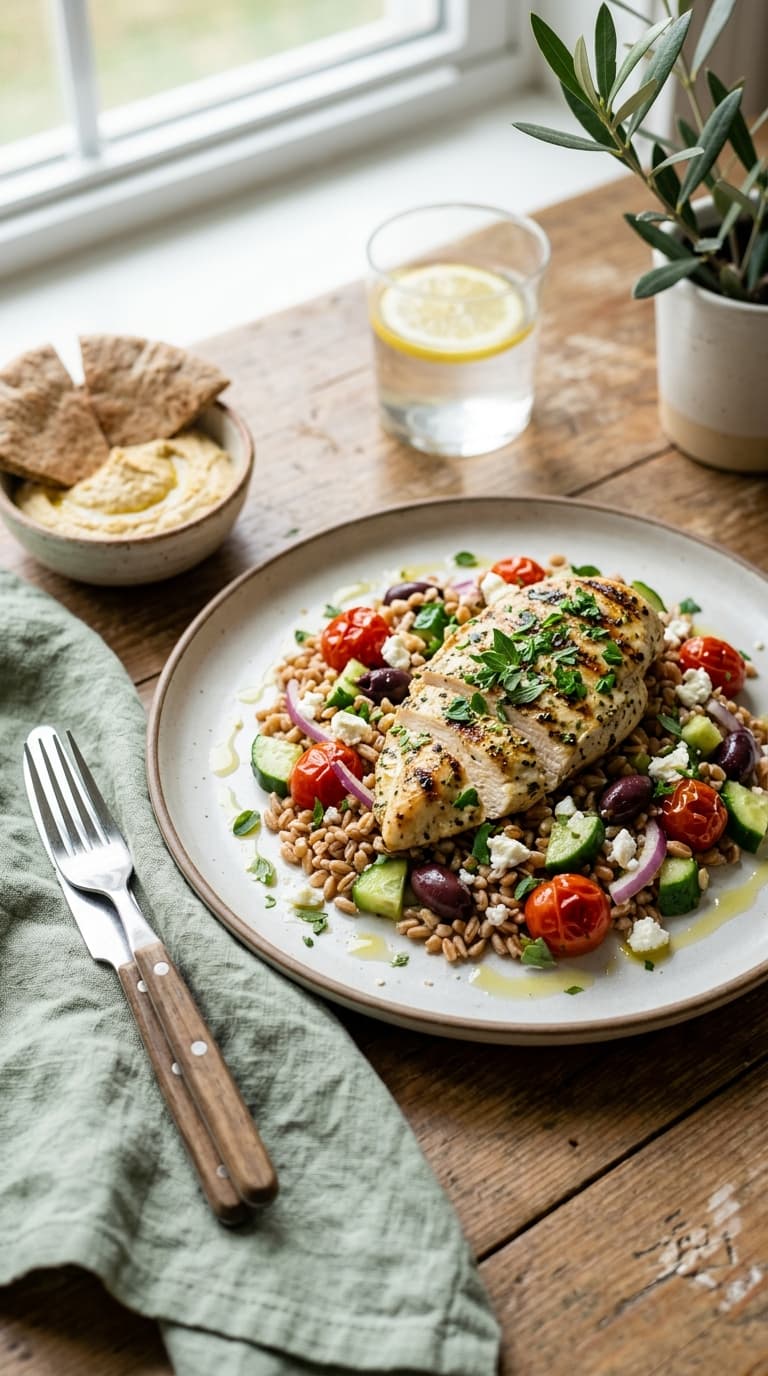
Whole grains are healthy, but portion control still matters. The Mediterranean approach uses grains as a supporting player, not the star of every meal. Think of a small side of farro next to a big Greek salad and grilled fish — not a mountain of pasta with a token piece of broccoli.
A solid portion is roughly:
- ½ to 1 cup of cooked grains per meal
- One slice of whole grain bread with a meal
- Small pasta portions as a side, not a main event
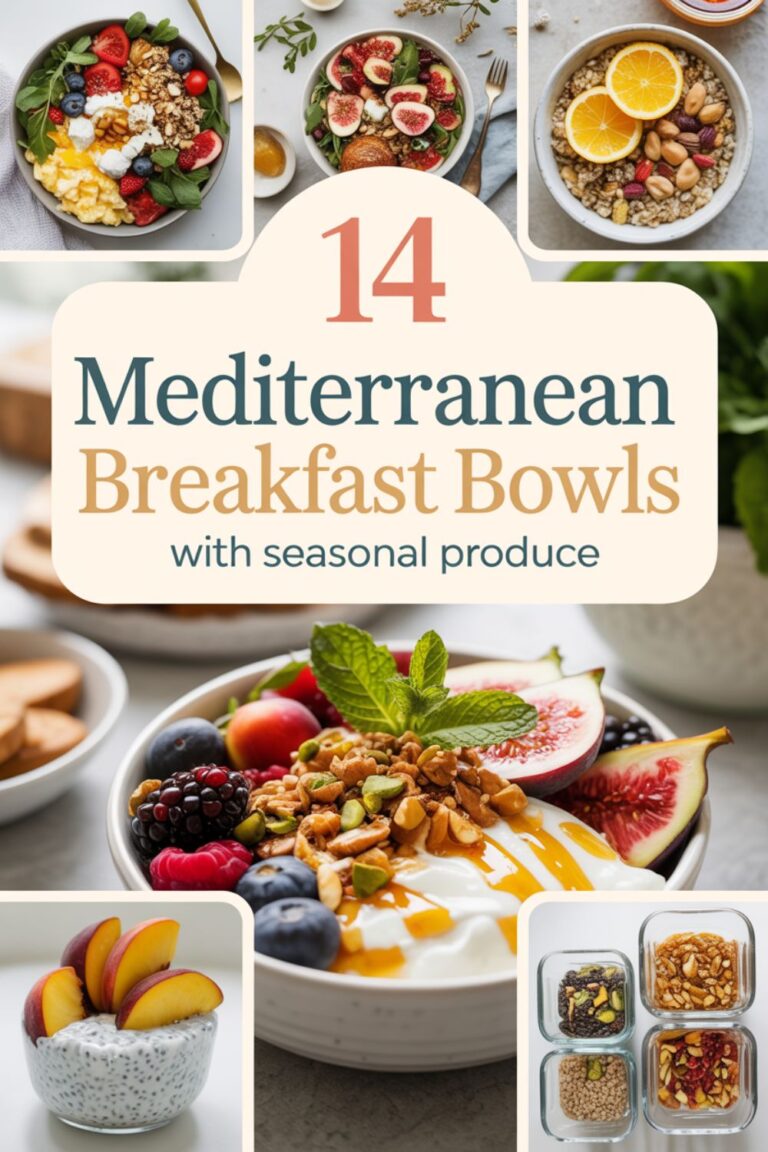
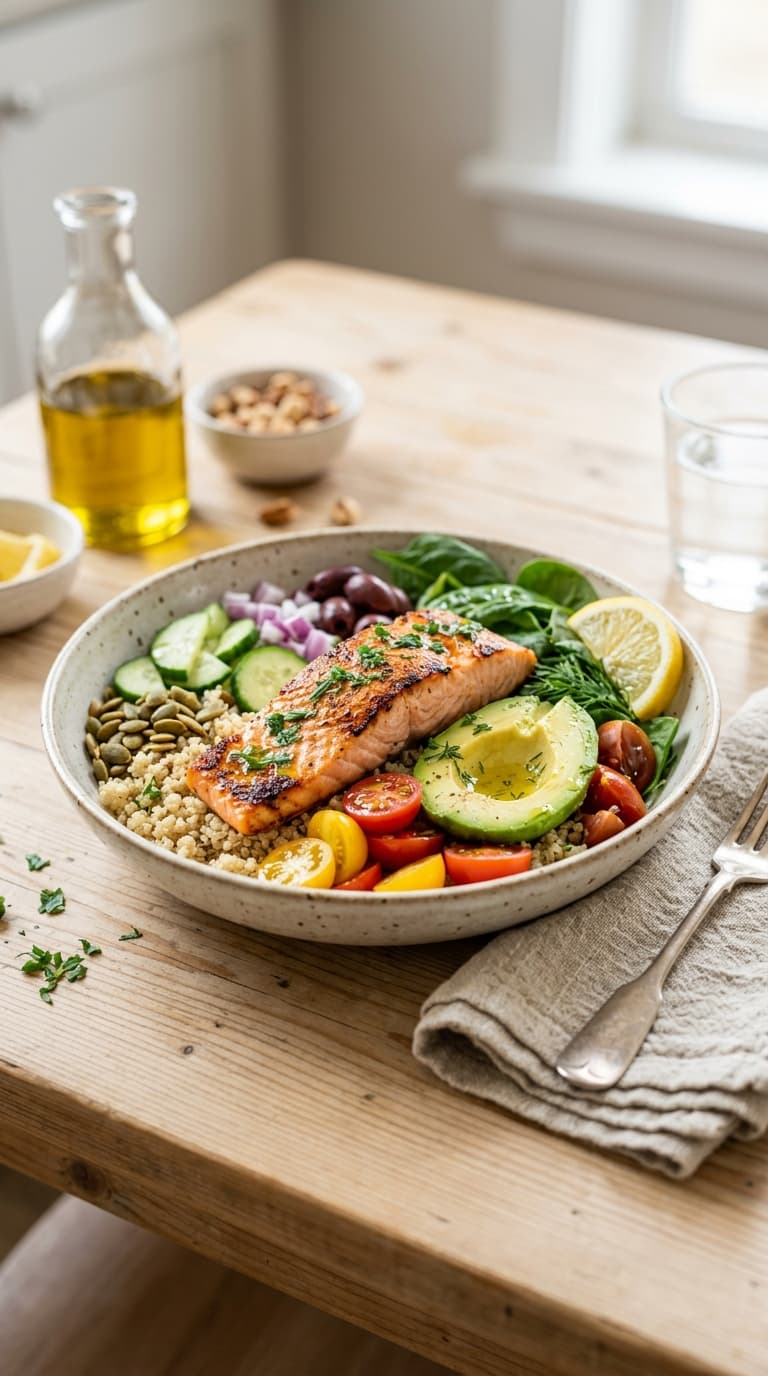
If you’re prepping ahead, these 25 Mediterranean bowls you can prep in advance show you how to balance grains with protein and vegetables perfectly.
4. Not Eating Enough Vegetables
This one surprises people. You’d think vegetables are an obvious priority on this diet, but beginners often focus so heavily on the olive oil, fish, and whole grains that vegetables end up as an afterthought.
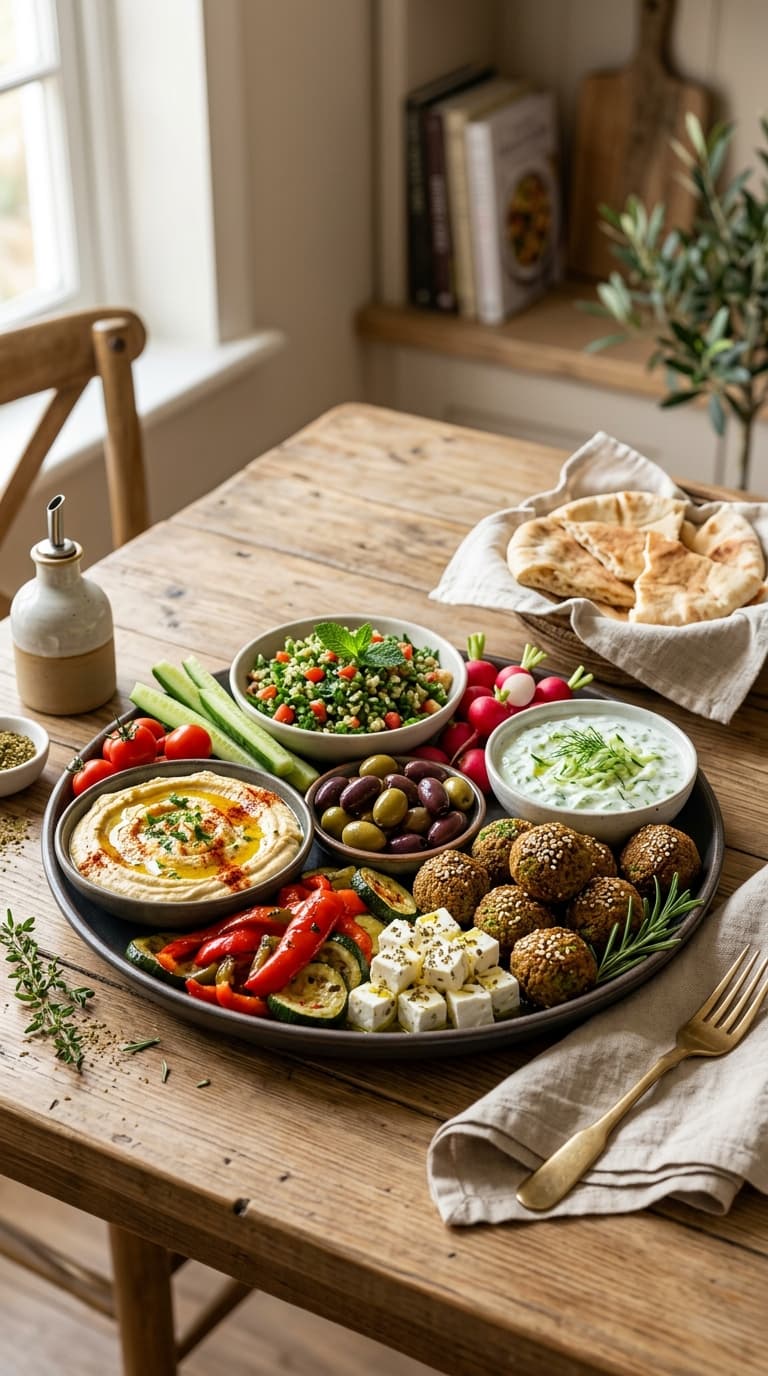
Vegetables should be the foundation of most of your meals — not the garnish. We’re talking big salads, roasted vegetable medleys, stuffed peppers, braised greens, and soups loaded with seasonal produce. The Mediterranean diet is essentially a plant-forward eating style with fish and lean protein supporting the show.
A good rule: fill at least half your plate with vegetables at every meal. If that sounds like a lot, you’re probably not eating enough of them right now. And honestly, once you start roasting zucchini with olive oil, lemon, and herbs, you’ll wonder why you ever considered veggies boring.
5. Skipping Meal Prep Entirely
One of the fastest ways to fall off the Mediterranean diet is having nothing ready when you’re hungry and tired after work. Suddenly that frozen pizza looks very appealing. The fix? Meal prep — even just a little bit.
You don’t need to spend your entire Sunday in the kitchen. Batch cooking a few staples gives you building blocks for easy meals all week:
- Cooked grains (farro, quinoa, or brown rice)
- Roasted vegetables in a big tray
- A protein like baked salmon, hard-boiled eggs, or roasted chickpeas
- A simple sauce or dressing — tahini, tzatziki, or lemon-herb vinaigrette
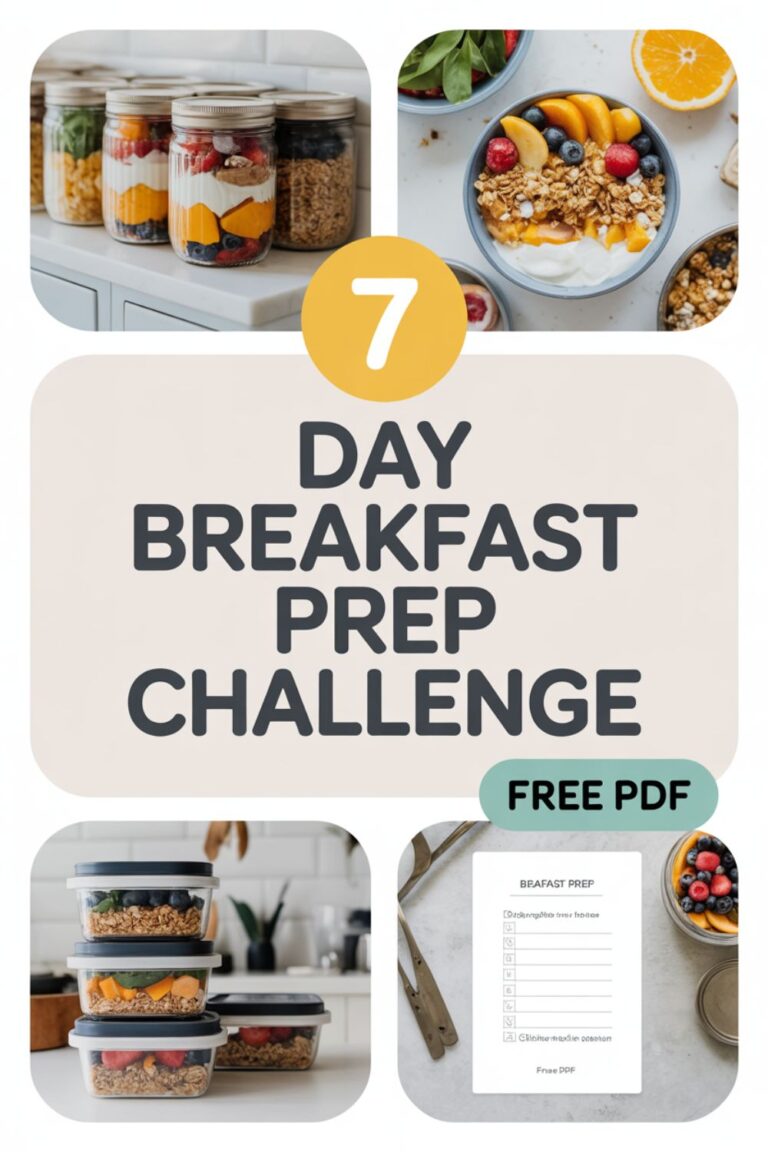
If you need a starting point, these 21 quick Mediterranean meal prep ideas for busy weeks are genuinely easy and don’t require any fancy equipment. For a more structured approach, this 7-day Mediterranean meal prep plan even comes with a free printable — which, FYI, is a game-changer for beginners.
6. Relying Too Heavily on Processed “Mediterranean” Products
Walk into any grocery store and you’ll see products marketed as “Mediterranean” — flavored crackers, store-bought hummus loaded with preservatives, bottled dressings with ingredient lists a mile long. It’s clever marketing, and beginners fall for it constantly (no shame — I did too).
Real Mediterranean eating is built on whole, minimally processed foods. That means:
- Olives, not olive-flavored chips
- Whole canned tomatoes, not pre-made jarred sauces packed with sugar
- Real feta cheese, not “feta-style” processed spreads
- Dried legumes or simple canned beans with no additives
Check labels. If a product has more than five or six ingredients and half of them are unrecognizable, it probably doesn’t belong in your cart. Building a solid grocery list is a skill — this guide on how to build the perfect Mediterranean grocery list breaks it down in a way that makes shopping way less overwhelming.
7. Eating Fish Once a Month and Calling It Mediterranean
The Mediterranean diet recommends eating fish and seafood at least two to three times per week. This is where a lot of beginners seriously slack. Either they don’t love fish, don’t know how to cook it, or assume it’s too expensive or complicated.
Here’s the truth: canned sardines, tuna, and salmon are all fair game — and incredibly budget-friendly. You don’t need to grill a whole branzino every Tuesday. Toss canned tuna into a Greek salad, add sardines to whole grain crackers, or stir salmon into a grain bowl.
Fish is a primary protein source in this diet for good reason:
- Rich in omega-3 fatty acids
- Supports heart and brain health
- Lighter than red meat and easier to digest
Try these 10 Mediterranean dinner preps that reheat beautifully — several of them are fish-based and genuinely delicious even on day three.
8. Forgetting About Legumes
Legumes — chickpeas, lentils, white beans, black-eyed peas — are absolute heroes of the Mediterranean diet. They’re high in fiber, high in plant-based protein, incredibly cheap, and endlessly versatile. And yet, beginners constantly overlook them.
You should be eating legumes three to four times per week, minimum. They’re not a side dish — they’re a main event. Think lentil soup, white bean stew, hummus as a base for bowls, or roasted chickpeas as a snack.
Quick ideas to add more legumes:
- Toss white beans into a salad with lemon and herbs
- Make a simple lentil soup on Sunday and eat it all week
- Use chickpeas as your protein base in grain bowls
- Roast chickpeas with smoked paprika for a crunchy snack
If you need snack ideas, these 10 Mediterranean snacks you can batch prep on Sunday include some great legume-based options that are genuinely addictive.
9. Treating Red Wine as a Health Food
Look, the Mediterranean diet does include moderate red wine — typically one glass with dinner for women, up to two for men. And yes, research suggests modest benefits linked to the antioxidants in red wine. But beginners sometimes use this as justification for drinking significantly more than that. “:)”
Moderate means moderate. One glass at dinner — not three glasses because it’s technically a Mediterranean ingredient. If you don’t drink alcohol, there’s absolutely no reason to start. The benefits of red wine are minor compared to the overall dietary pattern, and you can get the same antioxidants from grapes, berries, and pomegranate juice.
IMO, the “red wine is good for you” aspect of this diet gets way too much airtime. The vegetables, legumes, olive oil, and fish are doing most of the heavy lifting here.
10. Expecting Rapid, Dramatic Results
Here’s where a lot of beginners hit a wall — they start the Mediterranean diet, do everything right for two weeks, don’t see massive changes on the scale, and give up. This is a fundamental misunderstanding of what this diet actually does.
The Mediterranean diet isn’t designed for rapid weight loss. It’s designed for long-term health — reducing cardiovascular disease risk, supporting brain health, managing inflammation, and simply feeling better over time. The results are real, but they’re gradual and cumulative.
What you might notice first:
- More consistent energy throughout the day
- Better digestion from all the fiber
- Feeling satisfied after meals without feeling stuffed
- Improved mood and mental clarity
These aren’t dramatic before-and-after moments. They’re quiet, sustainable improvements that compound over months and years. That’s the whole point. If you’re also working toward specific body composition goals, pairing Mediterranean principles with these 21 weight loss meal prep bowls that don’t feel like diet food can help you stay on track without feeling deprived.
Building Better Mediterranean Habits From the Start
The good news? Every single one of these mistakes is fixable. None of them require a total overhaul — just small, consistent adjustments that add up over time.
Start with your meal prep foundation. Get your 15 easy Mediterranean lunch boxes for work sorted so you’re not scrambling midday. Build your plate around vegetables. Add more legumes and fish. Use olive oil wisely. And most importantly — stop waiting for a dramatic transformation and start enjoying the process.
The Mediterranean diet works because it’s genuinely enjoyable when you do it right. Good food, real ingredients, shared meals, and sustainable habits. That’s it.
Final Thoughts
If you take nothing else from this article, let it be this: the Mediterranean diet is not about perfection — it’s about direction. Every meal doesn’t have to be a masterpiece of nutritional balance. But most of your meals, most of the time, should be built around whole plants, quality protein, good fats, and real ingredients.
Avoid the ten mistakes above, get a little meal prep going each week, and give yourself time to actually feel the difference. You didn’t build your current habits overnight, and you won’t replace them overnight either.
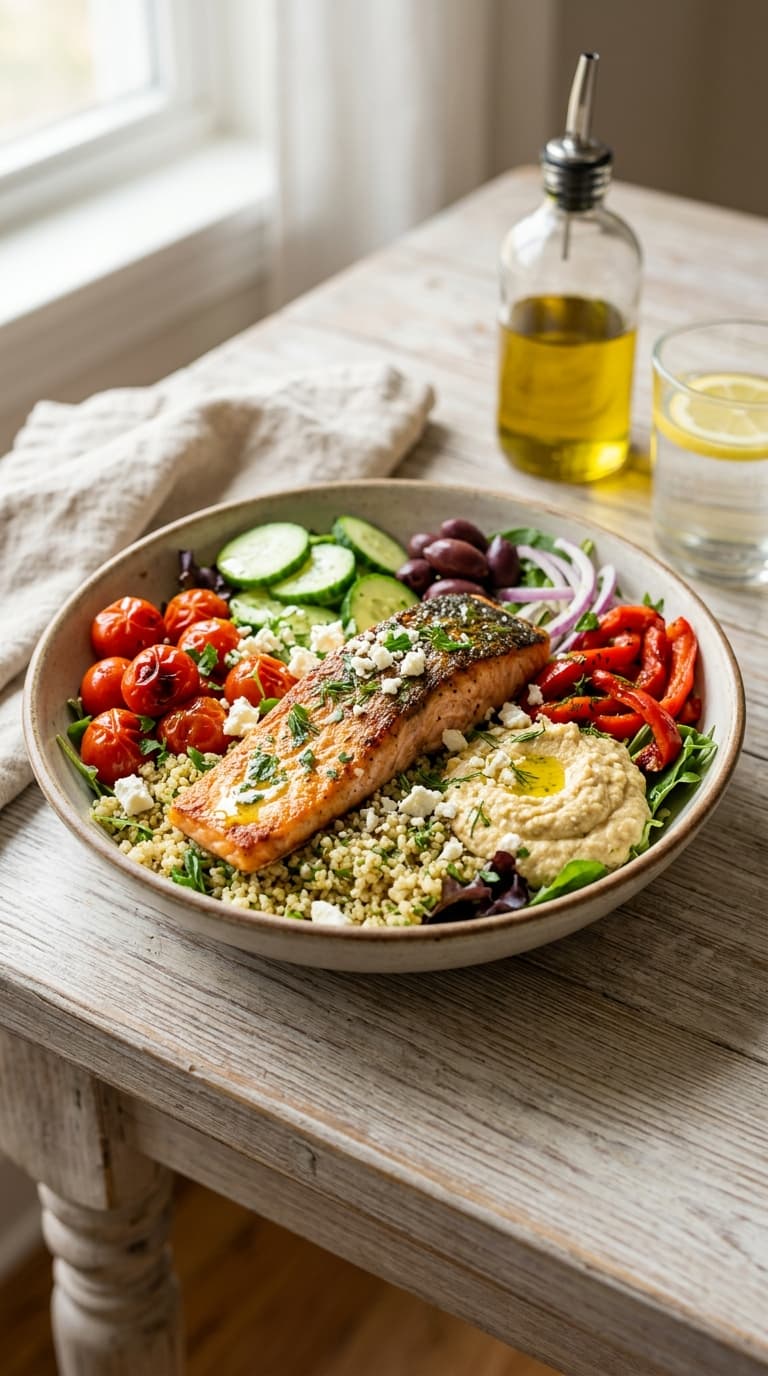
But trust me — once you’re eating roasted vegetables drizzled with good olive oil, a bowl of lemony lentils, and a piece of perfectly flaked salmon, you’ll stop thinking of this as a “diet” at all. You’ll just call it dinner.